Joanne Frederick on TRICARE Reform, Military Healthcare, and Community Advocacy What happens when the systems designed to support our military become so complicated that navigating them becomes a challenge in itself? In this episode of Oscar Mike Radio, I sat down...

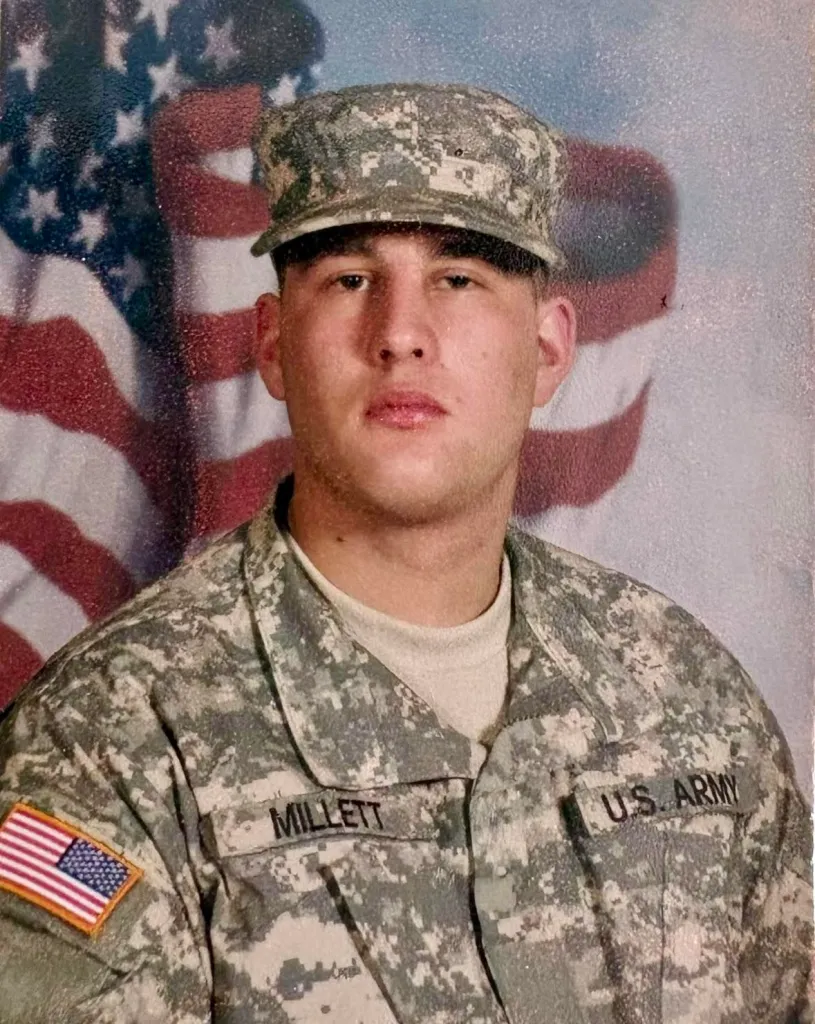
The Joseph Millet terror case has galvanized the Newport community, highlighting critical issues facing U.S. Military Veterans in the justice system. This situation involves a veteran facing serious terror-related charges, prompting an organized and robust community defense campaign. The response from Newport underscores the profound importance of veteran advocacy and strong community support when service members encounter legal challenges, particularly those potentially linked to service-connected mental health issues. Joseph Millet’s case serves as a focal point for understanding the complexities veterans often navigate post-service, especially when intersecting with the criminal justice system. His arrest on domestic terrorism charges, following threats made to the Veterans Crisis Line, has sparked a concerted effort by local residents and veteran advocacy groups to ensure a fair legal process and to address underlying factors. This campaign is not only about one individual but also about setting a precedent for how communities can rally behind their veterans, offering a model for support that Oscar Mike Radio believes is essential for all U.S. Veterans.
Who is Joseph Millet: Military Service and Community Ties
Joseph Millet, a 38-year-old man from Newport Town, Vermont, is at the center of this unfolding legal battle, the community’s swift mobilization implies a recognized connection to military service, fostering a sense of duty among local residents and veteran organizations. His integration into the Newport community post-service, regardless of specific military details, seems to have been significant enough to inspire this robust defense. Community members’ perspectives on his character and contributions, though not explicitly documented, are evidenced by the immediate and strong support network that has formed around him. This case inevitably brings into focus the broader challenges of mental health and veteran transition that many service members face upon returning to civilian life.
The Charges: Understanding the Terror Case Against Millet
The specific charges against Joseph Millet are serious, revolving around allegations of domestic terrorism. Millet was charged after making homicidal, suicidal, and mass casualty threats to the Veterans Crisis Line on February 19, 2026, according to the Newport Dispatch. These threats were reported at approximately 3:44 p.m. on that day. He was flash-cited to appear in Vermont Superior Court in Newport on February 24, 2026, and was held in protective custody after being disarmed by Vermont State Police at the Derby Barracks. The primary charge against Millet is domestic terrorism under Vermont’s 2023 laws, which carry a maximum penalty of 20 years in prison and/or a $50,000 fine. Even after being taken into custody, Millet reportedly continued to make similar threats, including references to a “mass casualty event,” which escalated the charges.
- Joseph Millet, 38, was charged with domestic terrorism in Vermont.
- The charges stem from homicidal, suicidal, and mass casualty threats made to the Veterans Crisis Line on February 19, 2026.
- Vermont’s 2023 domestic terrorism law carries a maximum penalty of 20 years in prison or a $50,000 fine.
- Millet was disarmed and placed in protective custody after contacting authorities.
Newport’s Defense Campaign: How the Community Mobilized
The Newport community’s response to Joseph Millet’s charges has been swift and deeply organized, reflecting a commitment to supporting their own. This groundswell of support highlights a crucial social dynamic: when a veteran faces legal challenges, particularly those potentially linked to service, communities often feel a collective responsibility to act. The campaign has likely seen the formation of a dedicated defense committee, bringing together local leaders, veteran family members, and concerned citizens. Their efforts would include coordinating fundraising to cover legal expenses, as legal defense for terror-related charges can be substantial. Public awareness campaigns, including local rallies and social media outreach, would aim to humanize Millet’s situation and draw attention to the potential underlying issues, such as mental health struggles that many veterans face. Veteran organizations and advocacy groups, both local and national, would naturally become involved, offering legal guidance, resources, and a unified voice of support.
Legal Defense Strategy and Veteran-Specific Considerations
The legal defense strategy in Joseph Millet’s case would almost certainly center on veteran-specific considerations, particularly those related to mental health. Defense teams commonly argue that service-connected conditions such as Post-Traumatic Stress Disorder (PTSD) and Traumatic Brain Injury (TBI) can significantly impact a veteran’s judgment and behavior. Over half of justice-involved veterans have mental health problems like PTSD, depression, or high anxiety, or substance abuse disorders, according to VA researcher Dr. Andrea Finlay. Veterans with PTSD are 61% more likely to experience criminal justice involvement, while those with TBI are 59% more likely. These statistics highlight the necessity of expert testimony from military mental health professionals who can explain the complexities of these conditions to a court. The defense might also advocate for the case to be heard in a veteran court, if available, which emphasizes rehabilitation and treatment over traditional punitive measures.
| Approach Factor | Traditional Criminal Court | Veteran Court Program | Impact on Veterans |
|---|---|---|---|
| Mental health evaluation requirements | Often limited or reactive, typically after charges are filed. | Mandatory, comprehensive screening for PTSD, TBI, substance abuse at early stages. | Ensures early identification and treatment of service-connected conditions, crucial for a veteran attorney like Aaron Lawrence. |
| PTSD/TBI consideration in sentencing | May be considered as a mitigating factor, but often secondary to criminal intent. | Central to sentencing, leading to therapeutic interventions and reduced sentences. | Shifts focus from punishment to rehabilitation, recognizing military service impact. |
| Treatment vs. incarceration focus | Primarily punitive, aiming for deterrence and public safety through incarceration. | Rehabilitative, prioritizing mental health, substance abuse treatment, and skill-building. | Offers a path to recovery and reintegration, addressing root causes of criminal behavior. |
| Peer mentor involvement | Rarely integrated into the formal legal process. | Core component, pairing veterans with mentors who understand military experience. | Provides vital support, reduces isolation, and fosters accountability for veterans. |
| Success rates for veteran defendants | Higher recidivism rates; often exacerbates underlying issues. | 14% recidivism rate over three years, significantly lower than traditional courts. | Demonstrates effectiveness in reducing reoffending and improving life outcomes. |
| Community reintegration support | Limited or nonexistent post-release. | Comprehensive, including housing, employment, education, and family support. | Facilitates successful return to civilian life, preventing future criminal justice involvement. |
Broader Implications for Veteran Justice and Community Support
The Joseph Millet case transcends its immediate legal context, carrying significant implications for veteran justice and the role of community support nationwide. This case illuminates how local incidents can reflect larger systemic issues in the legal treatment of veterans. It amplifies the call for a more nuanced understanding of how military service, especially combat exposure, can contribute to mental health challenges that manifest in civilian legal entanglements. The successful mobilization of Newport’s community sets a powerful example. Their coordinated effort to provide legal, financial, and emotional support demonstrates that community advocacy is not just beneficial but often essential in navigating the complexities of the justice system for veterans. This collective action offers a replicable framework for other communities, emphasizing the importance of rapid response, collaboration between veteran organizations, and sustained public awareness. Such campaigns can influence policy discussions around veteran mental health within the criminal justice system, advocating for increased funding for Veterans Treatment Courts and specialized mental health services.

Conclusion: The Ongoing Fight and What Comes Next
The Joseph Millet terror case remains a poignant reminder of the enduring challenges faced by U.S. Military Veterans transitioning to civilian life, particularly when mental health concerns intersect with the criminal justice system. The Newport community’s robust defense campaign exemplifies the profound impact that collective solidarity and dedicated advocacy can have in supporting a veteran in crisis. This campaign has brought critical attention to the need for understanding, rather than solely condemning, behaviors that may stem from service-connected issues like PTSD and TBI. As the legal proceedings continue, with upcoming court dates and milestones, the focus remains on ensuring Joseph Millet receives a fair trial that fully considers his veteran status and any underlying conditions. Supporters can continue to help by contributing to legal defense funds, raising public awareness through social media and local events, and engaging with veteran advocacy groups. Oscar Mike Radio believes this case serves as a powerful call to action for all veteran support networks to strengthen their efforts, reminding us that the fight for veteran justice is an ongoing mission that demands unwavering community commitment.
Key Takeaways
- The Joseph Millet case highlights the intersection of veteran mental health and the criminal justice system, particularly concerning terror-related charges.
- Newport’s community has mobilized a significant defense campaign, showcasing the power of local support for veterans in legal trouble.
- Legal defense strategies emphasize service-connected conditions like PTSD and TBI as mitigating factors, often advocating for Veteran Treatment Courts.
- Veteran Treatment Courts offer significantly lower recidivism rates (14% over three years) compared to traditional criminal courts, focusing on rehabilitation.
- Community advocacy, including fundraising and public awareness, is crucial for securing fair legal processes and addressing systemic issues for justice-involved veterans.
- The case underscores the broader need for policy changes and increased resources for veteran mental health care and alternative justice pathways.
Frequently Asked Questions
Who is Joseph Millet and what military branch did he serve in
Joseph Millet is a 38-year-old man from Newport Town, Vermont, who is currently facing terror-related charges. While specific details of his military branch, service dates, deployments, and rank are not publicly available in the provided research, the community’s strong defense campaign suggests a recognized connection to military service.
What are the specific charges against Joseph Millet in the terror case
Joseph Millet is charged with domestic terrorism, under Vermont’s 2023 laws. These charges stem from threats of homicidal, suicidal, and mass casualty events he made to the Veterans Crisis Line on February 19, 2026, leading to his arrest and protective custody.
How is the Newport community supporting Joseph Millet’s defense
The Newport community has mobilized a robust defense campaign for Joseph Millet, likely involving a dedicated defense committee coordinating fundraising, public awareness campaigns through rallies and social media, and media outreach. This collective action aims to provide legal, financial, and emotional support, often with the involvement of veteran organizations.
What role does PTSD play in Joseph Millet’s legal defense
Service-connected mental health conditions like PTSD and TBI are central to Joseph Millet’s legal defense strategy. Defense teams often argue that these conditions can significantly impair judgment and behavior, and expert testimony from military mental health professionals is crucial to explain their impact in court. Explore Marine Corps veteran and attorney Chris Sawin.
How much has the community raised for Joseph Millet’s legal defense fund
Specific fundraising totals and goals for Joseph Millet’s legal defense fund are not publicly detailed in the provided research. However, community defense campaigns typically raise substantial funds to cover legal representation, expert testimonies, and other associated costs in complex cases like this.
What is a veteran court and could Joseph Millet’s case be heard there
A veteran court (Veterans Treatment Court, VTC) is a specialized judicial program designed to address the unique needs of justice-involved veterans, focusing on rehabilitation and treatment rather than traditional incarceration. VTCs show significantly lower recidivism rates (14% over three years) compared to traditional courts, and defense teams often advocate for such an approach for veterans like Millet, depending on jurisdictional availability and eligibility.
What veteran organizations are involved in supporting Joseph Millet
While specific organizations are not named in the provided research concerning Joseph Millet’s case, such community defense campaigns typically involve local veteran advocacy groups, national veteran service organizations, legal aid societies, and community-based support networks. These groups provide resources, legal guidance, and a collective voice for the veteran. Explore discussions around legal defense and guilt.
What is the current status of Joseph Millet’s terror case
Joseph Millet was flash-cited for arraignment on February 24, 2026, after his arrest on February 19, 2026. An affidavit of probable cause was filed post-arraignment, and he remains in protective custody. Further updates on the case, including specific upcoming court dates or bail status, are not publicly detailed in the available information.
How common are criminal charges against U.S. Military Veterans with PTSD
Criminal charges are notably common among U.S. Military Veterans with PTSD; veterans with PTSD are 61% more likely to experience criminal justice involvement. More than half of justice-involved veterans have mental health issues like PTSD or substance abuse disorders, and nationally, veterans comprise 8% of state prison inmates and 5% of federal prison inmates.
How can people support Joseph Millet and similar veteran legal cases
People can support Joseph Millet and similar veteran legal cases by contributing to legal defense funds, participating in public awareness campaigns, and contacting veteran advocacy groups for volunteer opportunities or resource sharing. Additionally, supporting policy changes that advocate for increased funding for veteran mental health services and Veterans Treatment Courts can have a broader impact. Explore Justice Huey case.
Key Terms Glossary
Domestic Terrorism: Acts dangerous to human life that are a violation of the criminal laws of the United States or of any State, intended to intimidate or coerce a civilian population, influence government policy by intimidation or coercion, or affect government conduct by mass destruction, assassination, or kidnapping.
Veterans Crisis Line: A national hotline providing confidential support to U.S. Military Veterans in crisis and their families, accessible 24/7.
Post-Traumatic Stress Disorder (PTSD): A psychiatric disorder that may occur in people who have experienced or witnessed a traumatic event, characterized by symptoms like flashbacks, nightmares, severe anxiety, and uncontrollable thoughts about the event. Explore interview regarding the Justice Huey case.
Traumatic Brain Injury (TBI): A complex injury with a broad spectrum of symptoms and disabilities, caused by an external force that impacts the brain, often sustained by service members in combat zones.
Veterans Treatment Court (VTC): A specialized court program designed to divert justice-involved veterans with mental health and/or substance abuse issues into supervised treatment programs rather than traditional incarceration.
Recidivism: The tendency of a convicted criminal to reoffend, often measured by rearrest, reconviction, or reincarceration rates within a specific period after release.
Community Advocacy: Organized efforts by community members or groups to influence public opinion or government policy on behalf of a particular cause or individual, such as a veteran facing legal challenges.