

U.S. Military Veterans returning from recent conflicts often face significant mental health challenges, including Post-Traumatic Stress Disorder (PTSD), depression, and Traumatic Brain Injury (TBI). Traditional pharmaceutical and talk therapies are crucial, but the Department of Veterans Affairs (VA) is actively exploring complementary, non-pharmacological interventions to enhance healing and reintegration.
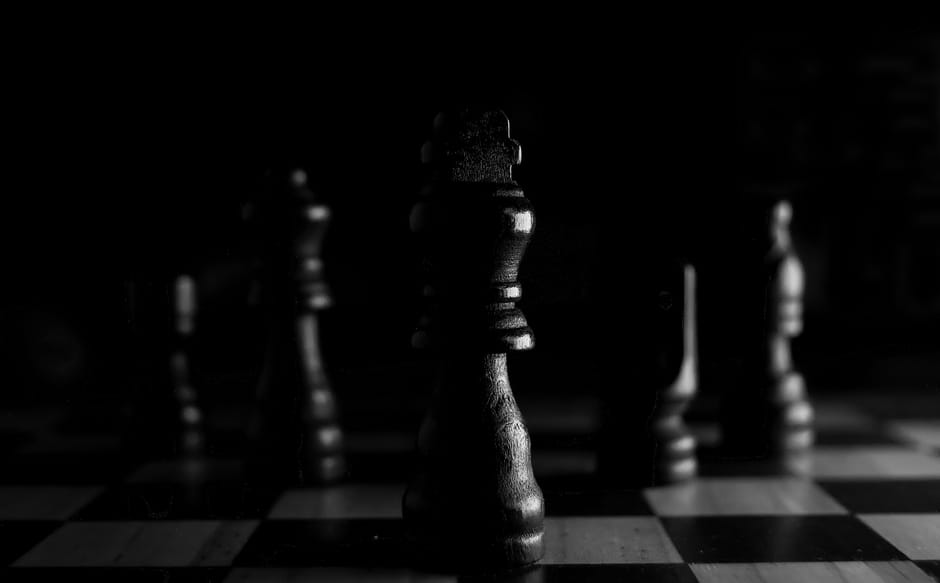
Amidst this search, chess therapy has emerged as a surprisingly effective tool within VA medical centers, offering a unique blend of cognitive engagement, social connection, and structured activity. This approach provides a different avenue for Veterans to process experiences and rebuild essential life skills, complementing existing treatments without forced vulnerability.
When Traditional Therapy Isn’t Enough
The mental health landscape for U.S. Veterans, particularly those from Iraq and Afghanistan, presents a complex challenge. While trauma-focused psychotherapies are highly effective, with 53% of patients achieving remission from PTSD with these therapies compared to 42% with medication alone, many Veterans still struggle to engage or find lasting relief.
The VA recognizes the need for diverse therapeutic avenues beyond conventional methods. This led to exploring non-pharmaceutical interventions that address the holistic well-being of Veterans, paving the way for programs like chess therapy.

The Science Behind Chess Therapy for Veterans
Chess therapy leverages a strategic game to foster neurological and psychological benefits, particularly relevant for Veterans managing PTSD, depression, and TBI. A short-term combat Veteran mental health program that included chess-based activity showed statistically significant reductions in PTSD, depression, and generalized anxiety symptoms by session six, according to a 2024/2025 study in the Journal of Veterans Studies.
This suggests that structured cognitive exercises can support traditional treatments. Chess rebuilds cognitive pathways by demanding attention and foresight, crucial for those with TBI or cognitive impairments. Explore Learn more.
Neurological Benefits: Rebuilding Cognitive Pathways
Chess directly engages the brain’s frontal lobes, responsible for executive functions. For Veterans with TBI, which affects 24.5% of a sample of U.S. Veterans in a 2024 study and is associated with cognitive impairment, chess offers a structured way to exercise these areas.
- Improves problem-solving skills.
- Enhances working memory and concentration.
- Stimulates neural plasticity, aiding recovery from brain injury.
- Reduces cognitive rigidity often associated with combat stress.
Executive Function Improvement: Decision-Making and Impulse Control
The game of chess inherently requires careful planning, evaluation of consequences, and impulse control. These are critical executive functions often impacted by trauma and stress.
- Fosters thoughtful decision-making under pressure.
- Trains the ability to anticipate outcomes of actions.
- Helps manage impulsivity by requiring foresight.
- Builds confidence in cognitive abilities.
Social Connection Without Forced Vulnerability
One of the most powerful aspects of chess therapy is its ability to facilitate social interaction in a low-stress environment. Veterans can connect over a shared activity without the immediate demand for self-disclosure or emotional vulnerability found in traditional group therapies.
- Provides a neutral ground for interaction.
- Reduces feelings of isolation and loneliness.
- Encourages healthy competition and sportsmanship.
- Builds camaraderie and a sense of belonging.
Here’s how chess therapy fits within the broader landscape of VA mental health treatments:
| Treatment Approach | Primary Benefits | Time to See Results | Accessibility | Best Used For |
|---|---|---|---|---|
| Chess Therapy (VA Program) | Cognitive exercise, social connection, stress reduction, executive function. | Weeks to Months | Growing in VA centers, community programs, and online platforms. | Complementary therapy for PTSD, TBI, depression, anxiety, social reintegration. |
| Cognitive Processing Therapy (CPT) | Restructuring distorted thoughts related to trauma, reducing PTSD symptoms. | 12-16 weekly sessions | Widely available at VA facilities, including telehealth options. | Primary treatment for PTSD. |
| Medication (SSRIs/SNRIs) | Manages symptoms of depression, anxiety, and PTSD. | Weeks to Months | Prescribed by VA medical professionals. | Symptomatic relief for PTSD, depression, anxiety. |
| Group Talk Therapy | Shared experiences, peer support, communication skills. | Months | Available at most VA facilities. | Social support, general mental health. |
| Prolonged Exposure Therapy | Processing traumatic memories, reducing avoidance. | 8-15 weekly sessions | Available at VA facilities. | Primary treatment for PTSD. |
| Mindfulness-Based Stress Reduction | Stress reduction, emotional regulation, present-moment awareness. | 8-week program | Offered at various VA centers and community programs. | Anxiety, chronic pain, stress management. |

How the VA Chess Program Actually Works
The VA’s integration of chess into therapeutic programs follows a structured, evidence-informed approach, often under the umbrella of recreational therapy. VA Atlanta describes recreational therapy as an “evidence-based, goal-oriented therapy” aimed at restoring function and promoting wellness.
Oscar Mike Radio has seen firsthand how these innovative programs are making a difference, much like how our platform connects Veterans to vital resources and community.
The Chess-as-Protocol Framework: Three-Phase Chess Integration
VA recreational therapists often utilize a specific therapeutic model known as the “Three-Phase Chess Integration” to maximize the benefits for Veterans:
- Cognitive Rebuild Phase: Veterans are introduced to the basic rules and movements of chess, even if they have no prior experience. This phase focuses on restoring fundamental executive functions like attention, rule-following, and sequential thinking, which can be impacted by TBI or combat stress.
- Strategic Engagement Phase: As Veterans gain proficiency, the therapy progresses to more complex scenarios. Game complexity is incrementally increased, mirroring real-world decision-making challenges and encouraging problem-solving, planning, and anticipation of consequences.
- Community Anchor Phase: The final phase emphasizes chess as a tool for social connection and reintegration. Veterans are encouraged to participate in group play, local clubs, or tournaments, using the game to build camaraderie and a supportive post-service community.
Sessions typically involve certified recreational therapists who guide the Veterans through the phases, often supported by peer mentors who share similar experiences. These programs are integrated with existing PTSD and TBI treatment plans, ensuring a holistic approach to recovery.
Real Stories: Veterans Who Found Healing Through 64 Squares
The impact of chess therapy is best illustrated through the experiences of Veterans themselves. These stories highlight how a game of strategy can become a powerful tool for healing and personal growth. Explore Learn more.
Army Veteran Managing PTSD Symptoms
U.S. Army Staff Sgt. Patrick Barrington, dealing with severe PTSD and paranoia, found that a chessboard in 2013 helped him replace flashbacks with strategic thinking, according to one account. Weekly chess tournaments at his local VA became a cornerstone of his coping strategy.
- He reported improved focus and reduced anxiety.
- The structured nature of chess provided a sense of control.
- Engagement with other Veterans fostered a supportive community.
Navy Veteran with TBI Regaining Cognitive Function
A Navy Veteran with a TBI, struggling with memory and decision-making, found chess therapy instrumental. The game’s demands on planning and foresight helped him rebuild neural connections.
- He experienced measurable improvements in short-term memory.
- His confidence in complex problem-solving increased.
- The consistent challenge provided a sense of accomplishment.
Marine Corps Veteran Building Post-Service Community
A USMC Veteran, isolated after service, discovered local Veteran chess clubs through the VA. The shared interest provided a low-pressure way to connect with peers.
- He formed new friendships and reduced feelings of loneliness.
- The club provided a safe space for social interaction.
- He developed a renewed sense of belonging and purpose.
Beyond the VA: Building Your Own Chess Practice
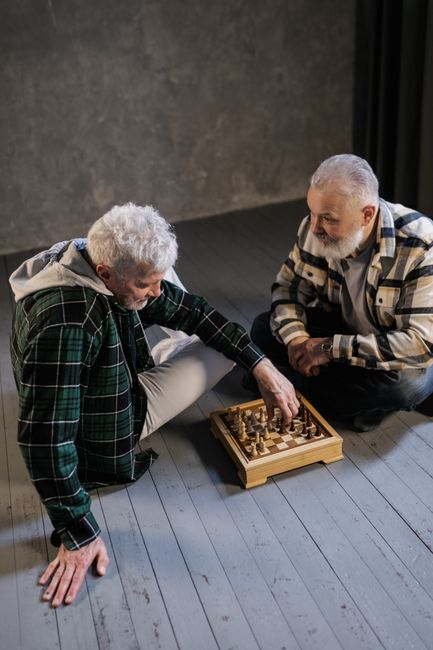
For Veterans seeking to integrate chess into their mental wellness routine, numerous resources exist beyond direct VA programs. Oscar Mike Radio encourages U.S. Veterans to explore these avenues for continued growth and connection.
Free Online Chess Platforms for Veterans
Online platforms offer accessible ways to play and connect, even from home. These digital spaces often host communities specifically for Veterans.
- Chess.com Veterans Community: Many Veteran-specific groups exist on Chess.com, offering forums, tournaments, and friendly matches.
- Lichess: A free, open-source platform providing a wide range of game modes and a strong community.
- Daily Puzzles: Both platforms offer daily puzzles that can provide quick, focused cognitive exercise.
Local Veteran Chess Clubs and Community Initiatives
Connecting with local clubs provides in-person interaction and community. The U.S. Chess Trust supports initiatives like “Sets for Vets” and the “Armed Forces Championship” to foster chess among service members.
- Check with local VFW or American Legion posts for existing clubs.
- Utilize social media groups, such as those that advertise Veterans chess tournament registration.
- Consider starting a club; resources like the U.S. Chess Trust can provide equipment and guidance.
Chess as a Family Activity
Chess can be a powerful tool for family bonding and intergenerational learning. Introducing children to chess provides cognitive benefits for them while offering a shared hobby for Veterans and their loved ones.
- Teaches strategic thinking and patience to children.
- Creates quality time away from screens.
- Offers a gentle way to reconnect and communicate.

Challenges and Limitations of Chess Therapy
While chess therapy offers significant promise, it’s essential to recognize its role as a complementary approach, not a standalone cure. The VA’s National Center for PTSD emphasizes that evidence-based trauma-focused psychotherapies remain the most effective treatments for PTSD.
Chess therapy works best when integrated into a comprehensive treatment plan, alongside other therapies and medical care, as Oscar Mike Radio often highlights in discussions about holistic Veteran wellness, such as in our episode with Dr. Aaron P. Bryant on mental health.
Not a Replacement for Clinical Treatment
Chess therapy should always be viewed as an adjunct to professional medical and psychological care. It supports the recovery process but does not replace the need for specialized interventions for conditions like severe PTSD or TBI.
- It complements, rather than substitutes, psychotherapy and medication.
- Clinical oversight ensures appropriate integration into a broader treatment plan.
Veterans Who May Not Respond
Not every Veteran will find chess therapy beneficial. Factors such as cognitive limitations, severe mental health symptoms, or a lack of interest in the game can limit its effectiveness.
- Individual preferences and cognitive readiness play a significant role.
- Alternative recreational therapies may be more suitable for some Veterans.
Accessibility Issues and Resource Needs
The availability of chess therapy programs can vary across VA medical centers. Implementing and expanding these programs requires dedicated funding, trained recreational therapists, and appropriate space.
- Ongoing funding for adaptive sports and recreational therapy is crucial, as seen in the VA’s $16 million adaptive sports grants for 2026.
- More certified recreational therapists with specialized training are needed.
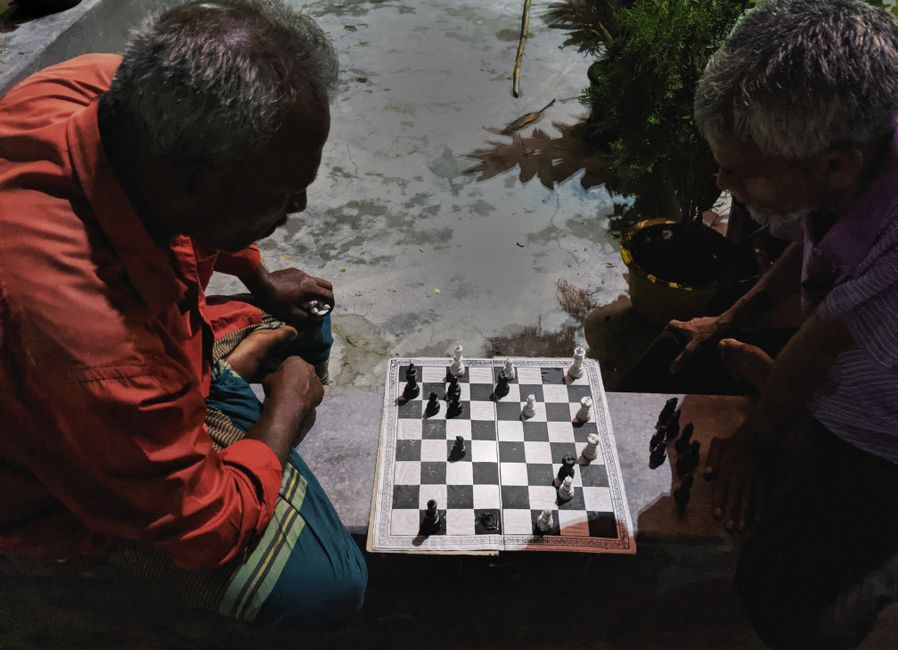
The Future of Game-Based Veteran Healthcare
Chess therapy is a prime example of how the VA is embracing holistic care, moving beyond traditional models to address the diverse needs of U.S. Veterans. This approach aligns with a broader trend toward integrating recreational and complementary therapies into mental health treatment. Explore Learn more.
The VA continues to explore and expand these innovative programs. Veterans interested in chess therapy should inquire at their local VA facility about recreational therapy offerings and how they can participate.
Key Takeaways
- Chess therapy serves as a valuable complementary intervention for U.S. Veterans with PTSD, depression, and TBI, not a replacement for clinical care.
- The “Three-Phase Chess Integration” model guides Veterans through cognitive rebuilding, strategic engagement, and community connection.
- Chess enhances executive functions, rebuilds cognitive pathways, and fosters social interaction in a low-stress environment.
- Online platforms like Chess.com and community clubs provide accessible avenues for Veterans to engage with chess outside the VA.
- Continued funding and trained recreational therapists are essential for expanding these beneficial programs nationwide.
Conclusion
The journey toward mental wellness for U.S. Veterans is multifaceted, and the VA’s embrace of chess therapy represents a hopeful and progressive step. By leveraging the ancient game’s power, Veterans can find new ways to heal, rebuild cognitive function, and forge meaningful connections.
As Oscar Mike Radio continues to champion Veteran well-being, we see chess therapy as a testament to the fact that innovative, engaging approaches can profoundly impact recovery. The strategic depths of the 64 squares offer more than just a game; they offer a path to reinvigorated lives for those who have served our nation.
Frequently Asked Questions
Does the VA actually offer chess therapy for Veterans?
Yes, many VA medical centers across the country do offer chess therapy programs, typically integrated within their recreational therapy services. While not universally available at every single facility, the program is expanding, and Veterans should contact their local VA’s recreational therapy department to inquire about current offerings. Explore Learn more.
Can chess really help with PTSD and depression?
Yes, chess can significantly help with PTSD and depression as a complementary therapy. It provides cognitive engagement that can distract from intrusive thoughts, improves focus, reduces anxiety, and fosters social connection in a low-stress environment, as evidenced by a 2024/2025 study on combat Veterans.
How do I get started with chess therapy at my VA?
To start chess therapy at your VA, first speak with your primary care provider or mental health specialist about your interest. They can then refer you to the recreational therapy department, where you can inquire about specific chess programs and schedule an initial session.
Do I need to know how to play chess to join VA chess therapy?
No, you do not need to know how to play chess to join VA chess therapy. Programs are designed to accommodate all skill levels, from absolute beginners to experienced players, with certified recreational therapists providing instruction as part of the therapeutic process.
Is chess therapy covered by VA healthcare benefits?
Yes, chess therapy, when offered through VA recreational therapy programs, is covered by VA healthcare benefits for enrolled Veterans. It is considered an integral part of comprehensive mental health and rehabilitation services, incurring no additional cost to the Veteran. Explore Learn more.
What if I have a traumatic brain injury – can I still do chess therapy?
Absolutely, chess therapy is often specifically recommended for Veterans with Traumatic Brain Injury (TBI) because it helps rebuild cognitive function, improves executive function, and enhances problem-solving skills. Therapists can modify the game to suit individual cognitive levels and recovery goals.
How often do Veterans need to play chess to see mental health benefits?
Most VA chess therapy programs involve weekly sessions, which research suggests can yield measurable mental health benefits within weeks. Consistent engagement, whether in structured sessions or through home practice, is key to maximizing therapeutic outcomes.
Can I do chess therapy online or does it have to be in person at the VA?
Many VA facilities are exploring hybrid and telehealth options for recreational therapies, which may include chess. While in-person sessions offer direct social interaction, online platforms and virtual group sessions provide flexibility and accessibility for Veterans who cannot attend in person.
What makes chess better than other games for Veteran mental health?
Chess stands out due to its unique combination of deep strategic thinking, structured problem-solving, and the requirement for sustained focus, which directly addresses cognitive deficits common in PTSD and TBI. Unlike many other games, chess demands foresight and consequence evaluation, directly fostering executive function skills. Explore Learn more.
Are there Veteran chess communities outside the VA I can join?
Yes, numerous Veteran chess communities exist outside the VA. You can find groups on online platforms like Chess.com, inquire at local VFW or American Legion posts, or search for community-led Veteran chess clubs in your area, many of which are supported by organizations like the U.S. Chess Trust.
Key Terms Glossary
Chess Therapy: A complementary mental health intervention using the game of chess to enhance cognitive function, social connection, and emotional regulation.
Post-Traumatic Stress Disorder (PTSD): A mental health condition triggered by experiencing or witnessing a terrifying event, common among U.S. Military Veterans.
Traumatic Brain Injury (TBI): Brain damage resulting from a sudden, external physical assault on the head, often affecting cognitive and executive functions in Veterans.
Recreational Therapy: An evidence-based, goal-oriented therapy using recreation and other activity-based interventions to address the needs of individuals with illnesses or disabling conditions.
Executive Functions: A set of cognitive processes that are necessary for the cognitive control of behavior, including working memory, flexible thinking, and self-control.
Three-Phase Chess Integration: A specific therapeutic model used in VA chess programs, progressing from cognitive rebuilding to strategic engagement and community anchoring.
Cognitive Rebuild Phase: The initial stage of chess therapy focused on teaching basic rules and movements to restore fundamental executive functions.
Strategic Engagement Phase: The middle stage of chess therapy where game complexity increases to mirror real-world decision-making challenges and foster problem-solving.
Community Anchor Phase: The final stage of chess therapy emphasizing the game as a tool for social connection, reintegration, and building supportive peer networks.