

The military-to-overland movement is a powerful trend where U.S. Military Veterans are finding renewed purpose and community through vehicle-based outdoor adventure. This movement leverages the inherent skills and camaraderie forged in service, translating them into the challenges and triumphs of overlanding. It offers a structured pathway for veterans to navigate post-service life by engaging in mission-driven outdoor experiences.
Overlanding’s appeal to U.S. Veterans stems from its expeditionary nature, mirroring the planning, teamwork, and problem-solving central to military operations. This shared adventure fosters deep connections, providing a vital support system and a sense of belonging often missed after leaving the service. The Oscar Mike Radio team recognizes this emerging trend as a significant avenue for veteran wellness and community building.
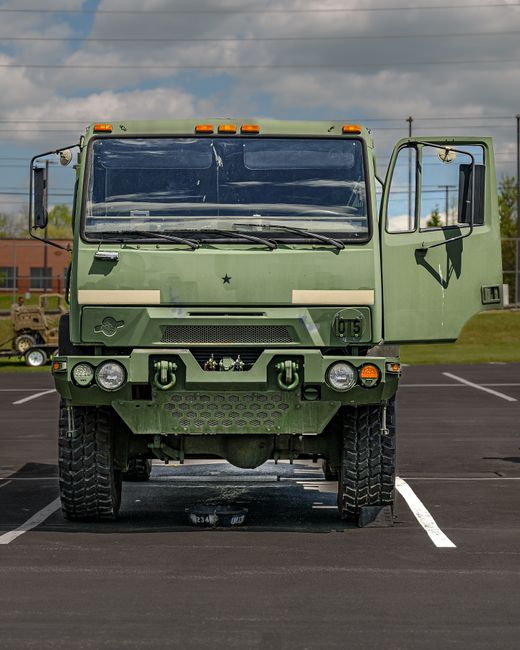
Why Veterans Are Drawn to Overlanding
Veterans are drawn to overlanding because it naturally aligns with the skills, structure, and camaraderie they experienced in service. Critical military aptitudes like navigation, logistics, and teamwork directly translate to successful overlanding expeditions, giving veterans a familiar framework for engagement and success. This inherent connection provides a tangible sense of purpose that can be elusive in civilian life.
Beyond skill application, the therapeutic benefits of nature and adventure significantly aid veteran mental health. A VA/University of Michigan study of 73 veterans found that extended outdoor group activities led to over 10% improvement in psychological well-being and a 9% increase in social functioning. Overlanding, with its emphasis on shared challenges and problem-solving in natural environments, provides a similar structure. This mission-oriented approach and the built-in camaraderie help mitigate the social isolation and identity shifts many veterans face post-service.
The “Mission-Trail-Community” Framework for Veteran Overlanders
The military-to-overland movement can be understood through a unique three-phase model: Mission Translation, Trail Therapy, and Community Rebuilding. This framework explains the psychological and practical effectiveness of overlanding for veterans. Oscar Mike Radio observes that this structured approach is key to the movement’s success.
- Phase 1: Mission Translation: Military skills (e.g., land navigation, vehicle maintenance, expeditionary logistics) directly apply to overlanding challenges. This phase allows veterans to leverage existing strengths, providing a sense of competence and continuity.
- Phase 2: Trail Therapy: Nature and adventure address transition struggles, offering therapeutic benefits for mental health. The outdoors provides a calming, challenging, and reflective environment conducive to healing and self-discovery.
- Phase 3: Community Rebuilding: Shared experiences on the trail forge new bonds, creating brotherhood and sisterhood. This phase re-establishes the vital social support networks often lost after military service.
Key Organizations Leading the Military-to-Overland Movement
Several key organizations are at the forefront of connecting U.S. Veterans with the overlanding community, providing structured programs and fostering crucial relationships. These groups facilitate access, training, and expeditions tailored to the unique needs of service members and veterans. Their work is instrumental in building a supportive ecosystem for veteran overlanders.
Veterans Overland: Mission, Programs, and Community Impact
Veterans Overland is a prominent 501(c)(3) nonprofit dedicated to veteran resilience through connection, outdoor experiences, and overlanding. Their mission centers on supporting military veterans through multi-day expeditions and community-building events. The organization explicitly aims to help veterans with challenges such as PTSD, social isolation, and the transition to civilian life, as detailed on their website.
- Veterans Overland runs multi-day camp expeditions that provide opportunities for connection and community.
- Their programs emphasize nature exposure and foster mental and physical well-being.
- The organization offers “Vet Connect” scholarships to combat and disabled veterans and their families.
Expedition Overland’s Veteran Initiatives and Partnerships
Expedition Overland, while not exclusively veteran-focused, actively supports veteran initiatives and partnerships within the broader overlanding community. The Overland Expo Foundation, for instance, has supported veteran and peer-based programs, including an 8-day, 3,000-mile Team Overland Big Sur Trip for 12 participants and 9 volunteer guides. These collaborations highlight the symbiotic relationship between the larger overlanding industry and veteran-specific programs.
Local and Regional Veteran Overlanding Groups Across the U.S.
Beyond national organizations, numerous local and regional veteran overlanding groups are forming across the U.S., offering more localized support and opportunities. Organizations like Veterans Expeditions (Colorado-based) and Mind Over Land / Veterans Outdoors (North Carolina) exemplify these community-driven efforts. The National Veterans Outdoors Resource HUB (US Vet Connect) serves as a critical directory, allowing veterans to find programs by activity and state, emphasizing the growing network of support.
How These Organizations Facilitate Connections Between Veterans and Civilian Supporters
These organizations facilitate connections by creating inclusive environments where veterans and civilians can share the trail, skills, and experiences. Many programs welcome civilian volunteers and participants, fostering mutual understanding and support. Civilian involvement often includes volunteering as guides, providing logistical support, or sponsoring veteran participants, strengthening the overall community.
| Organization | Primary Focus | Programs Offered | Geographic Reach | Cost/Membership |
|---|---|---|---|---|
| Veterans Overland | Veteran resilience, mental health, community through overlanding | Multi-day expeditions, skill-building, Vet Connect scholarships | National (U.S.) | Scholarship-based for veterans; donations for support |
| Expedition Overland Veteran Programs | Supporting veteran-focused expeditions and partnerships | Grants, sponsored trips (e.g., Team Overland Big Sur Trip) | National/International via partnerships | Varies by program/partnership; often grant-funded |
| Local/Regional Veteran Overland Clubs | Localized community, regular outings, peer support | Trail runs, weekend trips, skill-sharing meetups | State-specific or regional | Varies; often low-cost membership or free events |
| Veteran-Owned Overlanding Businesses | Providing gear, services, and tours while supporting veterans | Equipment sales, vehicle modifications, guided tours | National (online/shipping) & local (physical stores) | Product/service cost; often offer veteran discounts |
| General Overlanding Groups with Veteran Initiatives | Broad overlanding community, occasional veteran-focused events | Regular club trips, community events, fundraising for veteran causes | Local to national | Standard membership fees; veteran-specific events may be free |
The Community-Building Power of Trail Culture
Trail culture within the overlanding community holds immense power for building connections, mirroring the strong bonds found in military units. The shared challenges of navigating difficult terrain, problem-solving in remote environments, and relying on one another create a unique environment for trust and camaraderie to flourish. This fosters a sense of brotherhood and sisterhood among participants.
Overlanding events and trail runs provide natural networking opportunities for U.S. Veterans, allowing them to connect with like-minded individuals who understand the nuances of military service. Civilians participating in these events also gain a deeper appreciation for veteran experiences, leading to powerful veteran-civilian partnerships. The “leave no one behind” ethos, deeply ingrained in military culture, seamlessly translates to the trail, where mutual support is paramount for safety and success.
Getting Started: Veteran Resources for Overlanding
U.S. Veterans interested in overlanding have a growing array of resources to help them get started, making this adventurous pursuit more accessible. These resources address common barriers such as equipment costs and skill acquisition, providing a clear path to participation. Oscar Mike Radio encourages veterans to explore these avenues for their post-service adventures.
Budget-Friendly Vehicle Options and Modifications for Veterans Starting Out
Starting overlanding does not require an expensive, fully-equipped vehicle; many veterans begin with capable, budget-friendly options. Vehicles like older Toyota 4Runners, Jeep Cherokees (XJ), or even pickup trucks with a camper shell can be excellent starting points. Essential modifications prioritize reliability, recovery, and basic camping, rather than extensive, costly upgrades.
- Prioritize maintenance and a solid mechanical baseline for any used vehicle.
- Focus on essential recovery gear first, such as a shovel, recovery straps, and an air compressor.
- Consider a high-quality set of all-terrain tires as a primary upgrade for improved traction.
Veteran Discounts and Sponsorships from Overlanding Brands
Many overlanding brands recognize and support U.S. Veterans by offering significant discounts and, in some cases, sponsorships. For instance, Anthem Off-Road provides 15% off regularly priced wheels, and Off Road Tents offers military discounts on select brands. Platforms like Guidefitter centralize hundreds of military pro-purchase programs, providing verified veterans access to substantial savings on outdoor gear. The VA also maintains a list of year-round veteran discounts from various outdoor and adventure retailers.
Training Programs and Skills Workshops Specifically for Veterans
Specialized training programs and workshops are emerging to equip veterans with the necessary overlanding skills. These often cover topics such as advanced off-road driving techniques, vehicle recovery, wilderness first aid, navigation, and trip planning. Organizations like Veterans Overland often incorporate skill-building into their expeditions, ensuring participants gain practical knowledge and confidence.
Online Communities and Forums Connecting Veteran Overlanders
Robust online communities and forums serve as vital hubs for connecting veteran overlanders across geographical boundaries. Platforms like Facebook groups dedicated to “Veteran Overlanders” or specific regional clubs provide spaces for sharing routes, discussing gear, and planning trips. These digital spaces foster continuous engagement and support between expeditions, reinforcing the sense of community.

Real Stories: Veterans Who Found Purpose on the Trail
The transformative power of overlanding is best illustrated through the real-life experiences of veterans who have embraced this lifestyle. These stories highlight how shared adventures and a renewed sense of purpose can significantly impact post-service transition and mental well-being. Oscar Mike Radio frequently features such inspiring journeys.
Jeff McPike, founder of Veterans Overland, exemplifies this journey. A U.S. Army Veteran, McPike recognized the profound loss of camaraderie and mission that many veterans experience after leaving service. His organization, Veterans Overland, directly addresses this need, as he noted that “none of that feeling of support exists once you leave” the military. Through multi-day expeditions, McPike helps veterans connect with the outdoors and each other, proving that overlanding is more than just travel; it’s a pathway to healing and renewed purpose.
Another compelling example comes from a U.S. Marine Corps Veteran who struggled with social isolation after returning home. After joining a regional overlanding group focused on veterans, he found a new tribe. The structured nature of trip planning, the shared responsibility on the trail, and the deep conversations around the campfire provided a familiar sense of belonging. This experience helped him rebuild social connections and regain confidence in a supportive environment. Research on outdoor recreational experiences for veterans with PTSD has shown significant reductions in PTSD symptoms and improvements in psychological health, supporting these anecdotal accounts.
These veterans often transition from participants to leaders, organizing trips, mentoring new members, and helping others find their footing on the trail. This ripple effect creates a self-sustaining community where veterans actively support each other’s growth and well-being. A 2024 study on wilderness programs for veterans reported significant decreases in anxiety, depression, PTSD, and somatic stress, further validating the positive impact of these programs on veteran satisfaction and mental health.
How Civilians Can Support the Military-to-Overland Movement
Civilians play a crucial role in strengthening the military-to-overland movement, offering invaluable support and fostering inclusive communities. Their participation and understanding are essential for bridging the civilian-military divide. Oscar Mike Radio encourages active civilian involvement in these impactful initiatives.
Ways to Participate in Veteran-Led Overlanding Events and Trips
Civilians can participate by joining veteran-led overlanding events and trips, often as support staff, guides, or fellow adventurers. Many veteran overlanding organizations welcome civilian volunteers to assist with logistics, vehicle maintenance, or provide general companionship. Engaging directly on the trail builds mutual respect and understanding.
Supporting Veteran-Owned Overlanding Businesses and Brands
Supporting veteran-owned overlanding businesses and brands is a direct way civilians can contribute to the economic well-being of the veteran community. These businesses, often run by U.S. Air Force, U.S. Navy, or USMC Veterans, frequently embody military values of quality and reliability. Identifying these businesses through directories like those supported by NaVOBA or the Bush Center’s veteran ecosystem initiatives ensures direct support.
Volunteering Opportunities with Veteran Overlanding Organizations
Volunteering with veteran overlanding organizations provides hands-on support, from administrative tasks to trail guiding. Organizations like Veterans Overland rely on volunteers to execute their programs, offering roles that match various skill sets. This direct involvement creates meaningful connections and contributes to the success of veteran-focused expeditions.
Best Practices for Civilians Joining Veteran-Focused Trail Communities
Civilians joining veteran-focused trail communities should approach with respect, humility, and a willingness to listen. Understanding the unique experiences of U.S. Veterans, particularly those who served in the Army or Navy, helps foster a welcoming environment. Civilians should offer support without assuming needs and engage in shared challenges as equals, reinforcing the “leave no one behind” ethos.
The Road Ahead for Veteran Overlanders
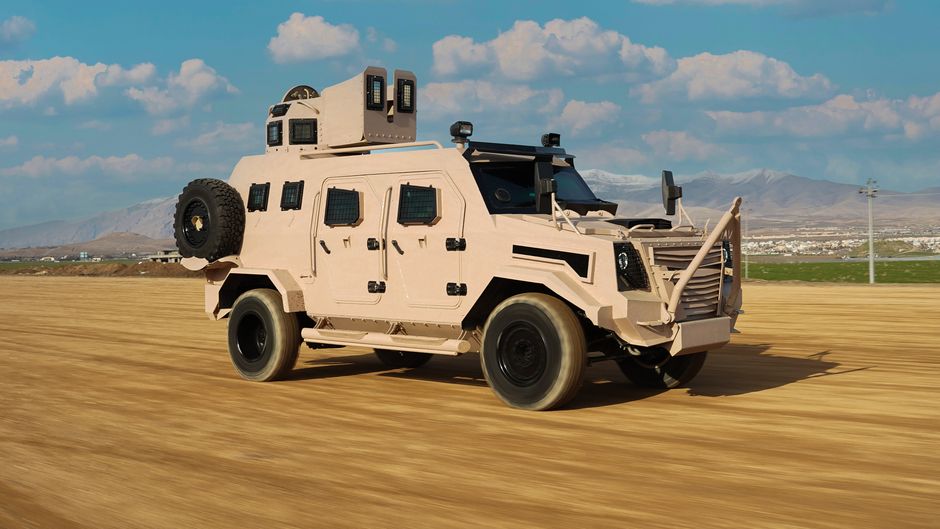
The military-to-overland movement is witnessing significant growth, evolving into a formalized and impactful network for U.S. Veterans. This evolution signifies a broader recognition of outdoor adventure as a powerful tool for post-service transition and mental wellness. The future holds immense potential for expansion and deeper integration into veteran support systems.
The movement’s continued growth is bolstered by increasing policy support, such as the proposed $10 million annual federal grant program for veteran outdoor recreation. This legislative backing, championed by advocates like the Sierra Club, will further expand access and funding for veteran overlanding initiatives. Oscar Mike Radio anticipates this will lead to more structured programs and increased participation.
For veterans contemplating this path, the call to action is clear: explore the diverse overlanding communities available. Whether through national organizations, regional clubs, or online forums, there is a place on the trail for every veteran seeking connection and purpose. Civilians are invited to support and participate respectfully, recognizing the profound impact of shared adventure. Ultimately, the community built on the trail is the most valuable destination, offering sustained camaraderie and a renewed sense of belonging.

Key Takeaways
- The military-to-overland movement provides a structured framework for U.S. Military Veterans to find purpose and community post-service.
- Overlanding leverages inherent military skills (navigation, logistics, teamwork), translating them into civilian adventure.
- Outdoor activities offer significant therapeutic benefits for veteran mental health, including improved psychological well-being and social functioning.
- Key organizations like Veterans Overland and Expedition Overland’s initiatives are leading this movement, facilitating veteran connections.
- Civilians can support the movement by participating respectfully, volunteering, and patronizing veteran-owned overlanding businesses.
- The “Mission-Trail-Community” Framework highlights how military service translates to adventure, fostering healing and new social bonds.
Conclusion
The military-to-overland movement is more than just a recreational pursuit; it’s a vital pathway for U.S. Military Veterans to navigate the complexities of post-service life. By translating military skills to the trail and leveraging the therapeutic power of the outdoors, veterans are finding renewed purpose, identity, and, most importantly, community. This movement fosters an inclusive environment where shared challenges forge unbreakable bonds, echoing the camaraderie of military service.
As this movement continues to grow, supported by dedicated organizations and increasing public awareness, its potential to positively impact veteran well-being is immense. Oscar Mike Radio stands with these initiatives, recognizing their profound value. We invite all veterans to discover the transformative power of the trail and for civilians to join in supporting these crucial efforts, ensuring that no one is left behind on the journey ahead.
Frequently Asked Questions
What is the military-to-overland movement and how did it start
The military-to-overland movement is a growing trend where U.S. Military Veterans transition their service-honed skills into vehicle-based outdoor adventures, finding renewed purpose and community. It gained momentum as veterans discovered overlanding’s mission-based structure naturally aligns with their military training, offering a familiar framework for challenges and teamwork.
How does overlanding help veterans with PTSD and mental health
Overlanding significantly aids veterans with PTSD and mental health by providing therapeutic exposure to nature, fostering a strong sense of community, and offering mission-oriented challenges. Activities in the outdoors can improve psychological well-being, reduce symptoms of anxiety and depression, and provide a structured environment that helps restore a sense of purpose.
Do I need an expensive vehicle to start overlanding as a veteran
No, an expensive vehicle is not necessary to start overlanding as a veteran; many begin with budget-friendly options like older SUVs or pickup trucks. Essential modifications prioritize reliability and recovery gear rather than extensive, costly upgrades, and veteran discounts from overlanding brands can further reduce initial costs.
What are the best veteran overlanding organizations to join in 2026
The best veteran overlanding organizations to join in 2026 include Veterans Overland, which focuses on resilience and connection, and regional groups like Veterans Expeditions and Mind Over Land. The National Veterans Outdoors Resource HUB (US Vet Connect) is an excellent tool for finding local and national veteran-specific programs.
How can I find other veteran overlanders in my area
You can find other veteran overlanders in your area by utilizing the National Veterans Outdoors Resource HUB (US Vet Connect), searching for regional veteran overlanding groups on social media platforms like Facebook, or attending local overlanding events and expos. Many local clubs actively welcome new members and provide opportunities for shared adventures.
What overlanding skills from military service transfer directly to the trail
Many overlanding skills transfer directly from military service to the trail, including land navigation, route planning, vehicle maintenance and field repairs, and logistics. Additionally, teamwork, communication under pressure, and adaptability are invaluable traits that empower veterans to excel in overlanding scenarios.
Are civilians welcome in veteran overlanding communities
Yes, civilians are generally welcome in veteran overlanding communities, as many groups prioritize fostering inclusive environments and building bridges between military and civilian life. Civilians are encouraged to participate respectfully, offer support, and engage as equals, contributing to a stronger, more diverse trail community.
What does a typical veteran overlanding trip or event look like
A typical veteran overlanding trip or event involves multi-day expeditions through varied terrain, focusing on shared challenges, skill-building, and camaraderie. Events often include group meal preparation, campfire discussions, and collaborative problem-solving, all while accommodating different skill levels and vehicle types.
How much does it cost to get started with overlanding as a veteran
The cost to get started with overlanding as a veteran can vary widely, but it is possible to begin with a minimal investment in a capable used vehicle and essential recovery gear. Initial costs can be managed through budget-friendly vehicle choices, taking advantage of veteran discounts on gear, and prioritizing only necessary modifications.
Can overlanding replace the sense of mission and purpose from military service
Overlanding can provide a strong sense of mission and purpose for veterans, offering a structured environment for leadership, skill application, and peer support, but it is best viewed as a complement to other post-service endeavors. While it may not entirely replicate the unique context of military service, it effectively fosters new avenues for contribution and belonging.
Key Terms Glossary
Overlanding: Self-reliant overland travel to remote destinations where the journey is the primary goal, typically involving vehicle-supported camping.
Military-to-Overland Movement: A community trend where U.S. Military Veterans engage in overlanding to find purpose, community, and therapeutic benefits after service. Explore Learn more.
Veterans Overland: A 501(c)(3) nonprofit organization dedicated to supporting military veterans through outdoor and overlanding activities. Explore Learn more.
Mission Translation: The process by which veterans apply skills developed in military service, such as navigation and logistics, to overlanding challenges. Explore Learn more.
Trail Therapy: The therapeutic benefits derived from outdoor experiences and adventure, used to support veteran mental health and well-being. Explore Learn more.
Community Rebuilding: The process of forming new social bonds and support networks among veterans and civilians through shared overlanding experiences. Explore Learn more.
Vet Connect: A scholarship program offered by Veterans Overland to provide combat and disabled veterans and their families access to overlanding expeditions. Explore Learn more. Explore Learn more. Explore Learn more. Explore Learn more.
National Veterans Outdoors Resource HUB: An online directory (US Vet Connect) that helps veterans find outdoor programs and organizations across the United States.