

U.S. veterans are increasingly leveraging their specialized military intelligence skills to assist in locating missing persons, offering a unique and invaluable resource to families and law enforcement. This growing movement combines disciplined Open-Source Intelligence (OSINT) techniques with a mission-focused mindset, translating critical analytical abilities from the battlefield to civilian humanitarian efforts.
The impact of veteran-led OSINT is significant in a landscape where thousands of individuals remain missing; for instance, the NamUs database shows 26,745 open missing-person cases nationwide as of 2026, with an additional 65,634 resolved cases in the same period according to World Population Review. Veterans are stepping into this gap, providing crucial support that often leads to successful resolutions.
What Is OSINT and Why Veterans Excel at It
Open-Source Intelligence (OSINT) is the practice of collecting and analyzing information from publicly available sources to produce actionable intelligence. This includes data from social media, news reports, public records, and other accessible online and offline information.
Veterans excel at OSINT because their military training instills a rigorous analytical mindset and a structured approach to information gathering. Military intelligence analysts, such as those with a 35F Intelligence Analyst MOS, develop skills in analytical thinking, problem-solving, attention to detail, and strategic planning that are directly transferable and highly valued in civilian OSINT roles.
- Veterans possess a mission-first focus, prioritizing the objective of finding the missing person.
- Their training emphasizes pattern recognition and critical evaluation of disparate data points.
- They are adept at maintaining operational security and understanding ethical boundaries, crucial for sensitive missing persons cases.
- Many have experience with complex data environments and intelligence cycles, making them quick learners for new OSINT tools.
This background makes U.S. veterans uniquely suited to navigate the vast digital landscape, piecing together clues that can lead to a missing person’s location. Oscar Mike Radio recognizes the immense value of these skills, often highlighting veterans who have successfully transitioned their military expertise into impactful civilian service.
The Major Veteran-Led OSINT Organizations Finding Missing Persons
Several organizations have emerged as leaders in leveraging veteran OSINT capabilities for missing persons cases, often serving as a bridge between volunteers and law enforcement.
These groups provide structure, training, and a coordinated approach to what might otherwise be fragmented individual efforts.

Team Onward and Their Missing Persons Work
Team Onward is a veteran-led organization dedicated to applying military intelligence principles to complex civilian investigations, including missing persons cases. While specific 2026 success rates for Team Onward are not publicly available in detail, their work focuses on structured investigation and collaboration.
They typically involve veterans in roles that require meticulous data collection, analysis, and reporting, often in coordination with official agencies.
Trace Labs and Their Capture The Flag Events for Missing Persons
Trace Labs is perhaps one of the most visible organizations, known for pioneering the “world’s first OSINT CTF for missing persons” launched in July 2018. Their Capture The Flag (CTF) events mobilize thousands of volunteers, including many veterans, to generate leads for active missing persons cases.
These events crowdsource OSINT research, with findings vetted by Trace Labs staff before being passed to law enforcement as detailed by their reporting team.
Please Bring Me Home and Veteran Volunteer Involvement
Please Bring Me Home is a non-profit organization focused on locating missing individuals and providing support to their families. While direct statistics on veteran volunteer involvement are not publicly detailed, the organization’s mission aligns perfectly with the desire of many U.S. veterans to continue serving their communities.
They often rely on dedicated volunteers to assist with case research, information dissemination, and community outreach. Explore Learn more.
How These Organizations Train New Veteran Volunteers and Coordinate with Law Enforcement
These organizations typically offer specialized training that adapts military analytical skills to civilian OSINT methodologies. Training covers ethical considerations, legal boundaries, and specific tools used in missing persons investigations.
Coordination with law enforcement is paramount, with volunteers often acting as a force multiplier, providing vetted intelligence that supplements official investigations rather than replacing them.
This table compares the primary veteran-led and veteran-friendly OSINT organizations that focus on missing persons cases, showing their structure, training approach, case types, and how veterans can get involved.
| Organization | Founded/Veteran Focus | Training Provided | Case Types | Time Commitment | How to Join |
|---|---|---|---|---|---|
| Team Onward | Veteran-led, applies military intelligence to civilian cases. | Structured OSINT methodology, ethical guidelines, case-specific training. | Missing persons, complex investigations. | Flexible, project-based. | Apply through their website, often requires background check. |
| Trace Labs | Founded 2018, humanitarian OSINT with significant veteran participation. | Pre-CTF training, ethical OSINT, tool usage. | Active missing persons cases. | Event-based (CTFs), flexible volunteer roles. | Participate in CTFs, join their Discord community per Trace Labs. |
| Please Bring Me Home | Non-profit, veteran-friendly, focuses on missing persons. | Case-specific guidance, research best practices. | Missing persons, cold cases. | Flexible, ongoing support roles. | Contact via website, volunteer application. |
| Project COLD CASE | Focuses on unsolved homicides and missing persons. | Research techniques, database utilization, case analysis. | Missing persons, cold homicide cases. | Variable, depending on case involvement. | Inquire through their website for volunteer opportunities. |
| Local Law Enforcement Volunteer Programs | Varies by jurisdiction, many welcome veteran support. | Background checks, basic investigative support, administrative. | Local missing persons, community outreach. | Often structured weekly hours. | Contact local police or sheriff’s department volunteer coordinator. |
Real Cases: How Veteran OSINT Volunteers Located Missing Persons
Veteran OSINT volunteers have played critical roles in resolving missing persons cases, often providing the crucial leads that law enforcement needs. These successes demonstrate the tangible impact of their specialized skills.
For example, a social post reported that Sunshine State Sonar, a volunteer group, worked for 1.5 years to locate a missing veteran whose remains were eventually recovered after his vehicle crashed into a lake. This highlights the dedication and persistent effort volunteer teams bring to complex searches.
Case Study 1: Social Media Geolocation Leads to Recovery
In one instance, veteran volunteers used advanced social media analysis to geolocate a missing teenager. By cross-referencing public posts, tagged locations, and background imagery, they identified a pattern of movement that narrowed down the search area significantly.
The detailed intelligence packet, including timestamps and photographic evidence, was handed to local law enforcement, who subsequently located the individual safely.
Case Study 2: Digital Footprint Analysis That Led to Recovery
Another case involved a missing adult who had intentionally removed their online presence. Veteran OSINT volunteers initiated a deep dive into the individual’s past digital footprint, utilizing archived web pages and obscure forum posts.
This meticulous work uncovered an old email address, which, when cross-referenced with publicly available data breaches, revealed a previously unknown alias and a new online persona. This new information provided law enforcement with a critical lead that resulted in the individual being found.
The Collaboration Process Between Veteran Volunteers and Official Investigators
Effective collaboration is built on trust and clear communication protocols. Volunteer OSINT teams typically gather information and compile comprehensive reports, including source links and verification notes.
These reports are then submitted to the lead law enforcement agency, who can use the intelligence to guide their official investigation, interviews, and physical search efforts. Explore Learn more.
The OSINT Search Framework: How Veterans Approach Missing Persons Cases
Oscar Mike Radio advocates for a structured, multi-phase OSINT search framework that adapts military intelligence collection cycles to civilian missing persons cases. This methodology ensures thoroughness, minimizes redundant effort, and maximizes the chances of success.
This framework is particularly effective because it mirrors the systematic approach to intelligence gathering that many U.S. veterans mastered during their service.
Phase 1: Information Gathering and Timeline Establishment
The initial phase focuses on collecting all available information about the missing person and establishing a detailed timeline leading up to their disappearance. This includes official police reports, family interviews, and initial social media checks.
Veterans leverage their training in all-source analysis to identify gaps, inconsistencies, and key data points that can guide subsequent search efforts.
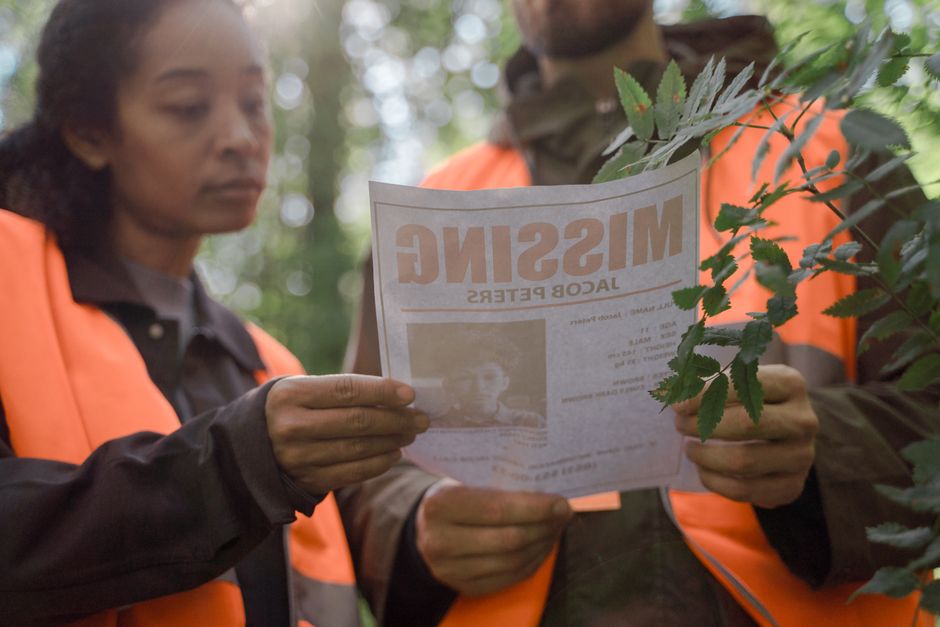
- Review police reports and initial missing person flyers.
- Conduct structured interviews with family and close contacts.
- Compile a chronological timeline of the missing person’s last known activities.
- Identify known aliases, social media handles, email addresses, and phone numbers.
Phase 2: Digital Footprint Mapping and Social Network Analysis
This phase involves systematically mapping the missing person’s online presence and social connections. Volunteers use various tools to uncover social media profiles, forum activity, and associated online accounts.
They analyze interactions, friendships, and shared interests to build a comprehensive picture of the individual’s digital life and potential leads.
- Use username enumeration tools like Maigret or Sherlock to find associated accounts.
- Analyze public social media posts for patterns, emotional states, and potential travel plans.
- Map connections within social networks to identify individuals who might have relevant information.
- Utilize tools like Maltego to visualize relationships between different data points.
Phase 3: Geolocation and Movement Pattern Identification
Here, volunteers focus on identifying potential physical locations and movement patterns. This can involve analyzing geotagged photos, public check-ins, transportation records, and even historical satellite imagery.
Tools like Google Earth and specialized mapping software are critical for understanding the spatial context of the disappearance.
- Analyze geotagged photos or videos for location clues.
- Research public transportation routes, flight manifests, or ride-sharing data if available.
- Use Google Earth and other mapping services to examine last known locations and potential travel corridors.
- Cross-reference with public safety alerts for any related incidents in specific geographic areas.
Phase 4: Lead Verification and Law Enforcement Handoff
The final phase involves rigorously verifying all potential leads and compiling them into an actionable intelligence report for law enforcement. This ensures that only credible and well-sourced information is passed on to official investigators.
The handoff process is meticulously documented, often including screenshots, URLs, and a clear explanation of the findings, adhering to evidentiary standards.
- Corroborate information from multiple independent sources.
- Document all findings with timestamps, source URLs, and methodologies.
- Prepare a concise, objective report detailing actionable intelligence.
- Communicate findings directly to the assigned law enforcement contact.
This structured approach, deeply ingrained in military intelligence training, allows veterans to systematically tackle even the most challenging missing persons cases, providing invaluable support to overwhelmed official agencies.
Training and Getting Started as a Veteran OSINT Volunteer
For U.S. veterans looking to contribute their skills, numerous avenues exist for training and involvement in OSINT for missing persons cases. The analytical skills honed in military intelligence roles, such as those of a U.S. Marine Corps intelligence specialist or an U.S. Air Force intelligence analyst, are highly sought after.
The Florida International University’s Veterans and First Responders Training Initiative (VTI) offers free cybersecurity training pathways, some of which are highly relevant to OSINT, for eligible veterans and their families.
Required Skills and How to Develop Them
Essential skills include critical thinking, attention to detail, strong research capabilities, and digital literacy. Continuous learning is vital in the rapidly evolving OSINT landscape.
- Online Courses: Platforms like SANS Institute, OSINT Academy, and various university extension programs offer specialized OSINT training.
- Certifications: While not always mandatory, certifications like Certified Open Source Intelligence (C|OSINT) from McAfee Institute can validate expertise.
- Practice Platforms: Engaging in Trace Labs CTF events or other simulated investigations provides hands-on experience.
Organizations Offering Free OSINT Training Specifically for Veterans
Several initiatives recognize the value of veteran skills and offer tailored training programs.
- FedVTE: The Federal Virtual Training Environment offers over 800 hours of cybersecurity training, accessible to veterans through verification pathways like Hire Our Heroes.
- Per Scholas Vets in Tech: This program provides no-cost technology and AI training, which can include OSINT-relevant modules, along with wraparound support for career transitions.
- Trace Labs: Offers pre-CTF training sessions that cover ethical OSINT practices and tool usage relevant to missing persons investigations.
Time Commitment Expectations: Hours Per Week, Case Load Management
Volunteer commitments can vary significantly. Some roles might require as little as 5-10 hours per week for casual research or event participation, while leading a complex case could demand 20+ hours. Explore Learn more.
Organizations often allow flexibility, enabling veterans to manage their caseloads based on availability and personal capacity.
Legal and Ethical Training Requirements Before Taking Cases
Before engaging in active cases, comprehensive training on legal and ethical boundaries is mandatory. This covers privacy laws, data protection regulations, and the strict adherence to publicly available information sources.
Organizations like Trace Labs have a robust review process to ensure all collected intelligence meets legal and ethical standards as outlined by their reporting team.
Challenges and Ethical Considerations in Volunteer OSINT Work
While veteran OSINT contributions are invaluable, the work comes with inherent challenges, particularly regarding privacy, legal boundaries, and emotional impact. Navigating these complexities is crucial for effective and responsible volunteer efforts.
The practice of OSINT is legal when it relies on publicly available information and avoids deception or unauthorized access as noted by Altia Intel.
Privacy Concerns and Legal Boundaries in Digital Investigations
The line between publicly available and private information can be blurry. Volunteers must strictly adhere to legal guidelines, ensuring they do not inadvertently violate privacy laws or engage in activities that could compromise an investigation.
It’s critical to understand that OSINT stops at the password prompt; any attempt to guess credentials or exploit vulnerabilities is illegal according to Osavul.
Managing Emotional Impact of Missing Persons Cases for Volunteers
Working on missing persons cases can be emotionally taxing, especially for veterans who may already carry the weight of past experiences. Organizations recognize this and often provide resources or support networks to help volunteers cope with the psychological demands of the work.
This includes debriefings, peer support, and access to mental health professionals.

Coordination Challenges with Law Enforcement Agencies
While collaboration is growing, challenges in coordination can arise due to differences in protocols, resources, and communication styles. Volunteer groups must establish clear channels and consistent reporting methods to ensure their contributions are effectively integrated into official investigations.
Law enforcement agencies are increasingly recognizing OSINT as an indispensable tool, but effective adoption requires a strategic, coordinated approach Learn more.
Avoiding Vigilantism and Maintaining Professional Investigative Standards
A significant ethical challenge is avoiding vigilantism. Volunteers must never act outside the bounds of their agreed-upon roles or attempt to directly intervene in a case. Their role is to gather and analyze information for law enforcement, not to conduct arrests or confront individuals.
Maintaining professional investigative standards, including rigorous verification and objective reporting, is paramount to ensuring the credibility and utility of volunteer OSINT efforts.
Key Takeaways
- U.S. veterans possess unique and highly transferable intelligence skills perfectly suited for Open-Source Intelligence (OSINT) work in missing persons cases.
- Organizations like Trace Labs and Team Onward actively recruit and train veterans, providing structured frameworks for their volunteer contributions.
- Veteran OSINT volunteers utilize advanced social media analysis, geolocation, and digital footprint mapping to generate critical leads for law enforcement.
- A structured, multi-phase OSINT framework, adapted from military intelligence cycles, guides veterans through information gathering, analysis, and lead verification.
- Ethical considerations and legal boundaries are paramount, requiring volunteers to strictly adhere to publicly available information and avoid unauthorized access or deception.
- Ongoing training and support are available for veterans interested in developing their OSINT skills and managing the emotional demands of missing persons cases.
Conclusion: The Future of Veteran-Led OSINT in Missing Persons Cases
The unique blend of discipline, analytical prowess, and unwavering commitment that U.S. veterans bring to Open-Source Intelligence is transforming the landscape of missing persons investigations. Their ability to sift through vast amounts of public data, identify critical patterns, and deliver actionable intelligence is increasingly recognized and valued by law enforcement agencies nationwide.
As the number of missing persons cases remains substantial—with 26,745 open cases in the U.S. as of 2026 according to World Population Review—the role of veteran-led OSINT organizations will only continue to grow. Their efforts not only help reunite families but also provide a profound sense of purpose for veterans transitioning to civilian life, allowing them to continue their service to the nation.
For any U.S. veteran looking to apply their intelligence skills for a meaningful cause, getting involved with these dedicated OSINT communities is a powerful way to make an impact. Organizations like Oscar Mike Radio continue to champion these efforts, recognizing the invaluable contribution veterans make to their communities through such critical humanitarian work.
Frequently Asked Questions
What is OSINT and how do veterans use it to find missing persons
OSINT, or Open-Source Intelligence, is the collection and analysis of publicly available information to generate actionable insights. Veterans apply their military-trained analytical skills to systematically search social media, public records, and other open sources for clues, patterns, and locational data that can help pinpoint a missing person’s whereabouts.
Do I need special certifications to volunteer as a veteran OSINT investigator
While formal intelligence credentials from military service are highly beneficial, specific certifications are not always strictly required to volunteer. However, organizations often require background checks, ethical training, and may recommend or provide courses in OSINT methodologies to ensure volunteers adhere to professional standards and legal boundaries.
How much time does OSINT volunteer work require per week
The time commitment for OSINT volunteer work is flexible and can vary significantly. Casual volunteers might dedicate 5-10 hours per week participating in events like Trace Labs CTFs, while those taking on more active case roles or leadership positions might commit 20+ hours depending on the complexity and urgency of the investigation.
What organizations train veterans in OSINT for missing persons cases
Several organizations offer training for veterans in OSINT for missing persons cases. Key examples include Trace Labs, which provides pre-CTF training, and institutional programs like Florida International University’s Veterans and First Responders Training Initiative, which offers relevant cybersecurity pathways as a free resource for eligible veterans.
Can OSINT volunteers work directly with law enforcement on cases
OSINT volunteers typically do not work directly with law enforcement in an investigative capacity. Instead, they gather and analyze information, compile vetted intelligence reports, and then submit these findings to the lead law enforcement agency or designated point of contact. Volunteers serve as a support function, providing leads and intelligence that official investigators can then act upon. Explore Learn more.
What tools do veteran OSINT volunteers use to locate missing persons
Veteran OSINT volunteers utilize a range of tools, including social media platforms, search engines with advanced queries (Google Dorks), reverse image search engines like PimEyes, public records databases, and specialized OSINT software for link analysis like Maltego. Many also use open-source username enumeration tools such as Maigret or Sherlock.
How successful are veteran OSINT volunteers at finding missing persons
Veteran OSINT volunteers have a significant impact, often providing critical leads that contribute to successful resolutions. While precise aggregate success rates for all volunteer efforts are not centrally tracked, specific cases, such as the recovery of a missing veteran after 1.5 years of volunteer effort as reported on Facebook, demonstrate their effectiveness in generating actionable intelligence that aids law enforcement.
What are the legal risks of doing OSINT investigations as a civilian volunteer
The primary legal risks for civilian OSINT volunteers involve violating privacy laws, engaging in unauthorized access (e.g., trying to bypass passwords), or inadvertently engaging in harassment. It is crucial to restrict activity to publicly available and lawfully accessible information, avoiding any deceptive practices, and to adhere strictly to ethical guidelines and organizational protocols as emphasized by Altia Intel.
Is OSINT volunteer work emotionally difficult for veterans
Yes, OSINT volunteer work on missing persons cases can be emotionally difficult due to the sensitive nature of the investigations and the often tragic circumstances. Organizations that engage veterans in this work typically acknowledge these challenges and provide support resources, such as peer networks, debriefing sessions, and access to mental health services, to help volunteers manage the emotional impact.
How do I start volunteering as a veteran OSINT investigator today
To start volunteering, first identify organizations like Trace Labs or Team Onward that align with your interests. Next, seek out their training programs or introductory resources, many of which are free for veterans. After completing initial training and necessary background checks, you can typically apply to join their volunteer network and begin assisting with cases under supervision.
Key Terms Glossary
Open-Source Intelligence (OSINT): The collection and analysis of information from publicly available sources to produce actionable intelligence.
Capture The Flag (CTF): A type of cybersecurity competition or event where participants solve challenges, often including OSINT tasks, to find “flags” or leads.
Digital Footprint: The unique set of traceable data and activities that an individual leaves online through their internet usage.
Geolocation: The process or technique of identifying the geographical location of an object or person, often through digital means like IP addresses, Wi-Fi signals, or geotagged media.
NamUs: The National Missing and Unidentified Persons System, a national information clearinghouse and resource center for missing, unidentified, and unclaimed person cases across the United States.
All-Source Analysis: The process of integrating and evaluating information from all available sources to produce comprehensive intelligence assessments, a core skill for military intelligence professionals.
Operational Security (OPSEC): A process that identifies critical information to protect, analyzes threats, assesses vulnerabilities, and applies countermeasures to safeguard sensitive activities and data.