

The relationship between the United States and Iran remains a critical flashpoint in global geopolitics, directly impacting U.S. national security and the lives of U.S. Military personnel and their families. As of June 2026, tensions are high, shaped by recent military confrontations and an ongoing struggle for regional influence. Understanding these dynamics is crucial for U.S. Veterans, active service members, and military families to anticipate future deployments and assess regional stability.
This analysis employs a military planning doctrine, the Three-Horizon Threat Assessment Framework, to dissect the complex U.S.-Iran conflict. We will examine immediate tactical incidents (0-6 months), near-term operational pressures (6-18 months), and long-term strategic shifts (18+ months), offering a structured perspective often missed in conventional media coverage.
Historical Context: From 1979 to Today
The foundation of U.S.-Iran tension was laid with the 1979 Iranian Revolution and the subsequent hostage crisis, irrevocably altering bilateral relations. This event initiated decades of mistrust and indirect conflict, establishing a pattern of U.S. foreign policy focused on containment and Iranian resistance.
Key military confrontations have punctuated this history, including Operation Praying Mantis in 1988, which saw direct naval clashes. Post-9/11, proxy conflicts in Iraq and Afghanistan intensified, culminating in significant events like the 2020 strike that killed Iranian General Qassem Soleimani. U.S. military strategy has evolved from direct intervention to a more nuanced approach combining sanctions, proxy deterrence, and targeted strikes, while U.S. Veterans have served in these challenging operational environments for over 45 years.
https://oscarmikeradio.com/182-1979-operation-tabas/ provides further context on a pivotal historical moment in U.S.-Iran relations.
Current Military Posture: U.S. and Iranian Forces in 2026
As of June 2026, the U.S. military maintains a significant presence in the Middle East, directly influencing regional stability and deployment decisions for U.S. service members. The estimated number of U.S. military personnel in the Middle East is currently over 50,000, representing a roughly 33% increase from the 2024–2025 baseline of approximately 40,000 troops, according to The New York Times.
This surge, termed the “2026 United States military buildup in the Middle East,” has led to a deployment scale comparable to the 2003 Iraq invasion, per Quwa.org. This marks the first time in decades that three aircraft carriers have been operating simultaneously in the Middle East,
Iran’s military capabilities, spearheaded by the Islamic Revolutionary Guard Corps (IRGC), consist of a formidable array of missile programs, drone technology, and extensive proxy forces. Despite significant U.S.-Israeli strikes in early 2026 (Operation Epic Fury), U.S. intelligence assesses that roughly 50% of Iran’s ballistic missile stockpile and launch systems remain “intact,” with approximately 60% of the IRGC Navy and two-thirds of Iran’s air force still operational, according to CNN. Iran’s drone production, including the Shahed series, resumed rapidly during the April 2026 ceasefire, as reported by CNN, with full strike capability expected to return by November 2026. Recent incidents, part of the “2026 Iran War,” include continuous retaliatory missile and drone strikes by Iran targeting U.S. interests and allies, particularly in the Strait of Hormuz, according to CNBC. U.S. Central Command reported striking nearly 2,000 targets in Iran during the initial phase of the war, as highlighted by The Guardian. These developments mean continued vigilance and potential for deployment for U.S. service members, impacting Veterans with ongoing service connections or those concerned about regional stability. Explore Learn more. Here’s a side-by-side comparison of U.S. and Iranian military strengths, showing why direct confrontation calculations differ from proxy warfare dynamics. This table helps Veterans and military families understand the strategic balance.
| Capability Area | United States | Iran | Strategic Implication |
|---|---|---|---|
| Active Military Personnel | ~1.3 million active duty, ~200,000 deployed globally (including Middle East) | ~610,000 active duty (IRGC, regular army, navy, air force) | U.S. numerical superiority; Iran relies on asymmetric tactics and regional proxies. |
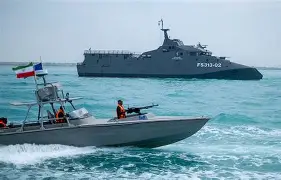
| Naval Power Projection | 3 Carrier Strike Groups (CSGs) in CENTCOM AOR, 30+ warships, advanced destroyers, amphibious capabilities. | Limited blue-water navy, large fleet of small, fast-attack boats, coastal defense missiles, mine warfare. | U.S. dominance in open seas; Iran’s strength in littoral, chokepoint control (Strait of Hormuz). |
| Air Superiority Assets | F-22, F-35, B-1 bombers, advanced ISR platforms, significant air-refueling capacity. | Aging air force (F-4, F-5, MiG-29), growing indigenous drone and cruise missile capabilities. | U.S. air dominance; Iran’s reliance on integrated air defense and drone swarms to challenge airspace. |
| Missile and Drone Arsenal | Precision-guided munitions, cruise missiles, advanced ballistic missile defense (THAAD, Patriot). | Large, diverse ballistic missile arsenal (~50% intact post-strikes), extensive drone production (Shahed series), new cruise missile variants. | Iran’s primary asymmetric deterrent, capable of regional strikes and overwhelming defenses; U.S. focuses on interception and precision counter-strikes. |
| Regional Proxy Forces | Support for local partners (e.g., SDF in Syria, Iraqi Security Forces). | Hezbollah, Hamas, Houthi rebels, Iraqi Shiite militias; provides plausible deniability and extends reach. | Iran’s cost-effective tool for projecting influence and harassing U.S. interests without direct state-on-state conflict. |
| Cyber Warfare Capabilities | Advanced offensive and defensive cyber commands, intelligence gathering. | Growing capabilities, state-sponsored “hacktivist” groups, targeting critical infrastructure and disinformation campaigns. | Both sides possess significant cyber capabilities, adding a non-kinetic dimension to the conflict. |
The Nuclear Question: Where the JCPOA Stands Today
The Joint Comprehensive Plan of Action (JCPOA), once the cornerstone of nuclear diplomacy, is effectively defunct as of June 2026, replaced by an urgent and precarious diplomatic effort to contain Iran’s advanced nuclear program. Iran’s nuclear program has significantly progressed, with enrichment levels reaching up to 60% U-235, confirmed by IAEA reports in June 2026. This is “a mere step away” from weapons-grade 90% enrichment, according to the Arms Control Association.
The International Atomic Energy Agency (IAEA) has been unable to verify the location, size, or composition of Iran’s enriched uranium stockpile since Iran suspended access to key sites in mid-2025, as reported by Al Jazeera. A June 2026 IAEA Board of Governors resolution, backed by the U.S. and E.U., demanded Iran provide “complete information” on its unaccounted 400+ kg of 60% enriched uranium, primarily believed to be stored in the Esfahan (Isfahan) tunnel complex, according to Nuclear.news. This lack of transparency significantly complicates U.S. military contingency planning.
For U.S. Veterans, these nuclear developments are a critical concern, raising the specter of future deployments or escalation. The estimated breakout time, with 440 kg of 60% material, could be less than one week if Iran resumed enrichment to 90%, states the Arms Control Association. This short timeline necessitates continuous monitoring and strategic adjustments by U.S. forces, impacting those who have served and those currently deployed.
Proxy Conflicts: Iran’s Regional Influence Network
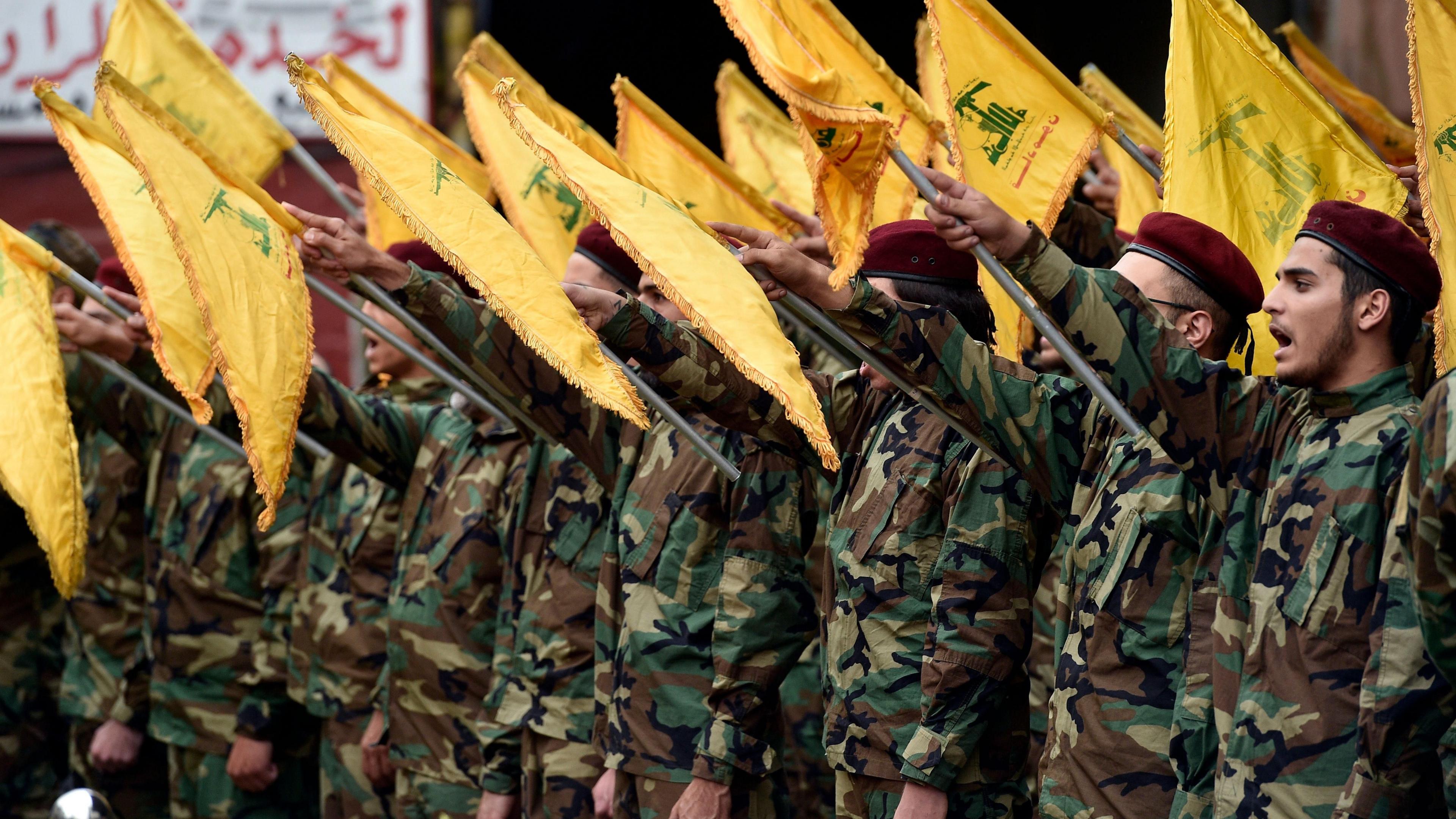
Iran’s strategic use of proxy forces, often termed its “Axis of Resistance,” remains a cornerstone of its regional influence, enabling it to project power and harass U.S. interests without direct state-on-state confrontation. These groups include Hezbollah in Lebanon, Hamas in Palestine, Houthi rebels in Yemen, and various Iraqi militias.
Recent proxy attacks have intensified, with U.S. Central Command (CENTCOM) reporting that Iran and its proxies attacked U.S. service members and diplomats approximately 350 times in the 30 months prior to February 2026, equating to roughly one attack every three days, according to a CENTCOM analysis. While the 2026 war briefly shifted Iran toward direct action, proxy groups continue to launch attacks. For instance, the Tower 22 base attack in Jordan in January 2024, which killed three U.S. soldiers, exemplifies the persistent threat posed by these groups, as documented by Scribd. These attacks inflict casualties, disrupt operations, and contribute to the ongoing strain on U.S. military operations and Veteran communities.
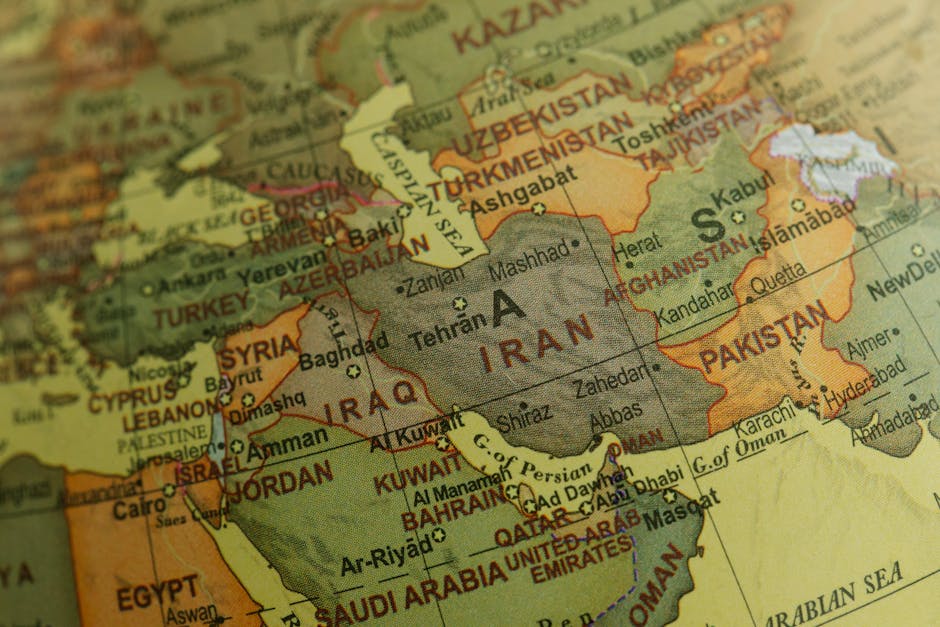
The strategic calculus for Iran involves leveraging these proxies to achieve regional objectives, such as disrupting maritime trade in the Red Sea via Houthi attacks, challenging Israeli security through Hezbollah and Hamas, and undermining U.S. presence in Iraq. This approach provides plausible deniability, allowing Iran to avoid the full weight of U.S. military retaliation while still achieving its goals. The Institute for the Study of War (ISW) notes that Iran uses “calibrated force” through proxies to extract concessions without triggering a full-scale U.S. invasion, per an ISW report.
Economic Warfare: Sanctions and Their Strategic Impact
The U.S. sanctions regime against Iran, initially designed for “Maximum Pressure,” has seen a significant strategic pivot in 2026. While historically effective in inflicting severe economic damage, the sanctions failed to politically destabilize the regime and, inadvertently, enabled its consolidation of power. In February 2026, U.S. Treasury Secretary Scott Bessent confirmed that sanctions had created a “dollar shortage” and caused the Iranian currency to “go into free fall,” as reported by Bloomberg News. However, this economic pressure allowed state-owned enterprises to gain commercial advantage by controlling sanctions-circumvention networks, according to S&P Global analysis. Explore Learn more.
A major development occurred on June 22, 2026, with the issuance of General License X, a 60-day waiver on all sanctions related to Iranian oil exports, according to BIPC. This marks a strategic pause in the “Maximum Pressure” campaign, shifting focus towards facilitating ceasefire and nuclear negotiations following the 2026 Iran War. The oil market factor remains critical; the conflict in early 2026, which involved a U.S. Navy blockade and the closure of the Strait of Hormuz, caused the largest supply disruption in global oil market history, as noted by United Against Nuclear Iran (UANI).
Iranian countermeasures include cyberattacks, maritime harassment, and leveraging its “shadow fleet” to continue oil sales, particularly to China, demonstrating the limitations of U.S. sanctions in achieving total isolation. The U.S. has also targeted trade partners, with an executive order authorizing 25% tariffs on countries trading with Iran, per a U.S. Department of State report. This dynamic interplay of economic pressure and Iranian resilience underscores the complexity of using sanctions as a strategic tool.
What Happens Next: Three Potential Scenarios
The trajectory of the U.S.-Iran conflict in late 2026 and 2027 hinges on several volatile factors. Drawing from military planning, we can outline three potential scenarios using the Three-Horizon Threat Assessment Framework.
Scenario 1: Continued Status Quo with Periodic Escalations and De-escalations (Immediate Horizon: 0-6 months)
This scenario represents the most likely immediate future, characterized by an “uneasy and inconclusive” truce. Despite the official end of “Operation Epic Fury” on May 5, 2026, kinetic activities continue, as highlighted by a Strategic Situation Report from Ronin’s Grips. Iran will likely persist with asymmetric gray-zone warfare, including maritime disruptions in the Strait of Hormuz and localized kinetic strikes via proxies, aiming to exert leverage without triggering a full-scale direct conflict. Factors pushing towards this scenario include the fragility of current ceasefire negotiations and Iran’s demonstrated resilience in rebuilding its military capabilities, particularly drones, within months, according to CNN.
Scenario 2: Diplomatic Breakthrough Leading to Reduced Tensions and Normalized Relations (Near-term Horizon: 6-18 months)
A genuine diplomatic breakthrough, while challenging, remains a possibility, particularly following the 60-day waiver on oil sanctions. This scenario would involve a comprehensive agreement addressing both Iran’s nuclear program and its regional activities. Key indicators for this path would be sustained, productive negotiations building on the June 2026 Memorandum of Understanding (MoU), consistent IAEA access to Iranian nuclear sites, and a verifiable reduction in proxy attacks. However, the “deep suspicion” of the U.S. that lingers within Iran, as noted by Al Jazeera, presents a significant hurdle. A diplomatic off-ramp would require significant political will from both sides, likely spurred by continued economic pressure or the risk of further military escalation.
Scenario 3: Military Confrontation Triggered by Nuclear Threshold, Major Attack, or Miscalculation (Long-term Horizon: 18+ months)
This is the most dangerous scenario, potentially initiated by Iran crossing a nuclear threshold (e.g., enriching to 90%), a major Iranian or proxy attack on U.S. forces or allies, or a critical miscalculation. U.S. intelligence assesses that Iran’s military capabilities remain largely intact despite recent strikes, with a significant portion of its missile and drone arsenal surviving, according to BD-Pratidin. The concentration of U.S. military assets in the region, including three carrier strike groups, provides substantial offensive capabilities, but also increases the risk of accidental escalation. This scenario would involve a full-scale regional war, impacting global energy markets, and potentially drawing in other regional and international actors. The “forever war” risk, despite U.S. insistence, remains a concern among experts, as reported by CNBC.
Key Takeaways
- The U.S.-Iran conflict is a complex, multi-faceted struggle involving military, economic, and proxy dimensions.
- U.S. military presence in the Middle East has surged to over 50,000 personnel, including three carrier strike groups, reflecting heightened tensions.
- Iran’s nuclear program continues to advance, with enrichment levels at 60% and critical transparency issues, posing a significant proliferation risk.
- Iranian proxy forces remain a persistent threat, conducting frequent attacks against U.S. interests and allies, shaping regional dynamics.
- U.S. sanctions have caused severe economic damage to Iran but have also strengthened the regime’s internal control, leading to a recent diplomatic pause.
- The future trajectory is uncertain, with a high likelihood of continued low-intensity conflict, but with potential for both diplomatic breakthroughs and military escalation.
Conclusion: What Veterans and Military Families Should Know
The U.S.-Iran dynamic in 2026 is defined by a delicate balance of military deterrence, economic pressure, and ongoing proxy warfare. For U.S. Veterans and military families, this means a sustained period of vigilance, with the potential for continued deployments and regional instability directly impacting loved ones in uniform. The lessons learned from decades of engagement in the Middle East underscore the importance of informed analysis and understanding the nuanced interplay of immediate incidents and long-term strategic shifts.
Staying informed about these developments is paramount. Oscar Mike Radio remains committed to providing honest, professional analysis of military and national security issues that matter most to the Veteran community. We encourage our listeners and readers to engage with resources that offer deep dives into the geopolitical complexities of the Middle East, ensuring they are well-equipped to understand the challenges faced by our service members. Explore Learn more.
For more detailed discussions on nuclear deterrence and its implications, consider exploring past Oscar Mike Radio episodes like Oscar Mike Radio 434: Charles Moxley – Nuclear Deterrence, which offers valuable context on these critical issues.
Frequently Asked Questions
What caused the conflict between the U.S. and Iran?
The conflict between the U.S. and Iran primarily stems from the 1979 Iranian Revolution, which overthrew the U.S.-backed Shah and established an anti-Western Islamic Republic, followed by the hostage crisis. Subsequent key escalations include Iran’s nuclear program concerns, its designation as a state sponsor of terrorism, and persistent regional proxy conflicts, all contributing to decades of tension.
Is the U.S. currently at war with Iran?
The U.S. is not currently in a formally declared war with Iran, but a state of high tension and conflict exists, particularly following the “2026 Iran War” (Operation Epic Fury) which involved significant U.S.-Israeli strikes and ongoing retaliatory actions. This period is characterized by kinetic engagements, proxy conflicts, and economic warfare, rather than a formal, declared state of war.
How many U.S. troops are deployed in the Middle East because of Iran?
As of June 2026, over 50,000 U.S. troops are deployed in the Middle East, marking a 33% increase from previous years and a significant portion is directly related to tensions with Iran. These forces are stationed across Gulf states, Iraq, and Syria, supporting various missions including counter-terrorism and regional deterrence against Iranian aggression.
What is Iran’s nuclear program status in 2026?
In June 2026, Iran’s nuclear program has enriched uranium up to 60% U-235, a level just below weapons-grade, and has amassed over 400 kg of this material. The IAEA’s ability to monitor and verify Iran’s stockpile and facilities is severely compromised due to suspended access, raising concerns about potential breakout time and military options.
Which Iranian proxy groups threaten U.S. forces?
Iranian proxy groups that actively threaten U.S. forces and interests include Hezbollah in Lebanon, various Iraqi Shia militias (such as Kataib Hezbollah), Houthi rebels in Yemen, and Hamas in Palestine. These groups conduct missile, drone, and ground attacks, often targeting U.S. military bases, diplomatic facilities, and maritime interests in the region. Explore Learn more.
Could the U.S. and Iran go to war in 2026 or 2027?
While a full-scale declared war is not the most likely immediate outcome, the potential for military confrontation remains high in 2026-2027, primarily due to Iran’s nuclear advancements, continued proxy attacks, or miscalculation. Current expert analysis suggests a protracted period of low-intensity conflict and uneasy truces, with both diplomatic breakthroughs and further escalations as distinct possibilities.
How do U.S. sanctions against Iran work?
U.S. sanctions against Iran target key sectors like oil exports, banking, and entities associated with the IRGC, aiming to cripple its economy and force policy changes. While these sanctions have caused significant economic hardship for Iran, a 60-day waiver on oil sanctions was issued in June 2026 to facilitate ceasefire and nuclear negotiations, indicating a shift in strategy.
What would a U.S.-Iran war mean for Veterans?
A U.S.-Iran war would likely mean increased deployments for active service members and potential reserve call-ups, placing additional strain on military families and VA services. Veterans would also face heightened concerns about the safety of current service members, and the conflict could reignite discussions about long-term care for those impacted by Middle East service.
Why does Iran support proxy groups instead of direct action?
Iran supports proxy groups to achieve regional influence and harass U.S. and allied interests with plausible deniability, avoiding direct confrontation with the superior U.S. military. This strategy is cost-effective, allows Iran to bypass international condemnation for direct aggression, and enables it to extend its reach across the Middle East without risking full-scale war on its own territory.
What should military families know about Iran tensions?
Military families should know that tensions with Iran are ongoing and directly impact deployment possibilities and regional stability. Staying informed through reliable sources like Oscar Mike Radio, understanding the nature of current threats, and utilizing available support resources are crucial steps. Oscar Mike Radio provides continuous coverage of military and national security issues to help military families navigate these complex developments.
Key Terms Glossary
Iranian Revolution: The 1979 uprising that transformed Iran from a monarchy into an Islamic republic, fundamentally altering its relationship with the U.S. and the West. Explore Learn more.
Operation Epic Fury: The codename for the joint U.S.-Israeli military operations against Iran that began in February 2026 and officially concluded in May 2026.
IRGC: The Islamic Revolutionary Guard Corps, a powerful branch of Iran’s armed forces responsible for internal security, border control, and strategic operations, including managing proxy forces.
JCPOA: The Joint Comprehensive Plan of Action, an international agreement reached in 2015 aimed at preventing Iran from developing nuclear weapons in exchange for sanctions relief, which is now largely defunct.
Proxy Forces: Armed groups supported and directed by Iran (e.g., Hezbollah, Houthis) to project power and achieve strategic objectives in the Middle East without direct Iranian military involvement.
General License X: A 60-day waiver issued by the U.S. in June 2026 on sanctions related to Iranian oil exports, intended to facilitate ceasefire and nuclear negotiations.
Three-Horizon Threat Assessment Framework: A military planning methodology used to analyze conflicts across immediate (0-6 months), near-term (6-18 months), and long-term (18+ months) timeframes.
Shahed Drones: A series of Iranian-produced unmanned aerial vehicles (UAVs), known for their effectiveness as one-way attack drones, frequently used by Iran and its proxies.