

U.S. Military Veterans are increasingly at the forefront of community crisis response, bringing invaluable skills and an unwavering commitment to service. Their unique training and experience translate directly into effective leadership during chaotic disaster events. This article explores how veteran-led organizations are shaping community emergency management and provides actionable frameworks for engagement.
The involvement of veterans in disaster relief is not merely supplementary; it is a critical component of building resilient communities. These efforts leverage military precision and adaptability to provide immediate aid and long-term recovery support. Oscar Mike Radio champions these initiatives, recognizing the profound impact veterans have on national and local preparedness.
The Veteran Advantage: Why Military Experience Matters in Disaster Response
Military experience provides a distinct advantage in disaster response due to ingrained leadership, logistical prowess, and mental fortitude. Veterans possess a unique blend of skills honed in high-stress environments, making them natural leaders when communities face crises. This capability is acknowledged by local, state, and national emergency managers who often rely on military support for effective response and recovery operations A 2019 study confirmed that military training and experiences provide veterans with unique characteristics and a skill set naturally transferable to disaster management, positioning them as effective disaster volunteers.
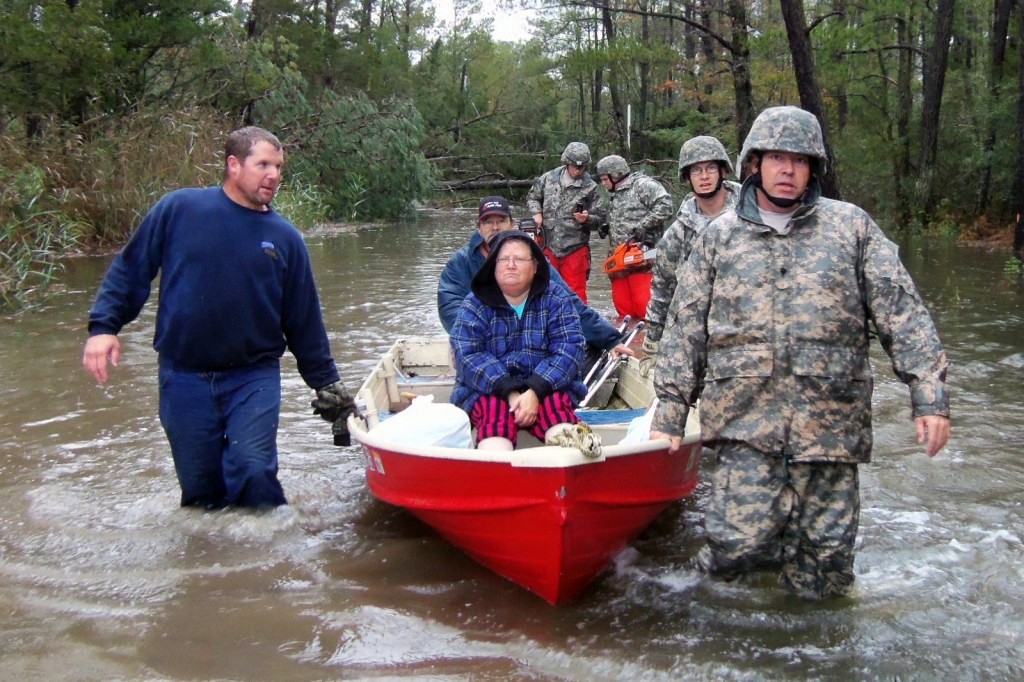
The RAPID Response Framework: How Veterans Organize Disaster Relief
The RAPID Response Framework is a five-phase methodology developed by veteran-led organizations to translate military operational planning directly into civilian disaster response. This replicable system provides a structured approach for veteran groups to implement effective relief operations. The framework ensures military precision and adaptability are applied to chaotic post-disaster environments.
This framework breaks down complex disaster scenarios into manageable, actionable phases:
- Reconnaissance: This initial phase involves immediate assessment and intelligence gathering to understand the scope of the disaster. Veterans use their training to quickly evaluate damage, identify immediate threats, and pinpoint areas most in need of assistance.
- Allocation: Following reconnaissance, resources are strategically distributed, and volunteers are deployed based on identified needs. This phase leverages military logistics expertise to ensure critical supplies and personnel reach their targets efficiently.
- Prioritization: Triage of needs occurs, focusing on the most severe and impactful situations first. Veterans excel at prioritizing tasks under pressure, ensuring life-saving efforts and critical infrastructure stabilization take precedence.
- Integration: Veteran teams actively coordinate with existing emergency services, local authorities, and non-governmental organizations (NGOs). This ensures a unified response, avoiding duplication of effort and maximizing collective impact.
- Deployment: The final phase involves executing relief operations with military precision, from search and rescue to debris removal and aid distribution. This systematic execution ensures that planned actions are carried out effectively and safely.
Oscar Mike Radio recognizes that implementing frameworks like RAPID are vital for veteran groups to scale their impact and integrate seamlessly into broader disaster response ecosystems.
Real-World Examples: Veteran-Led Disaster Response in Action
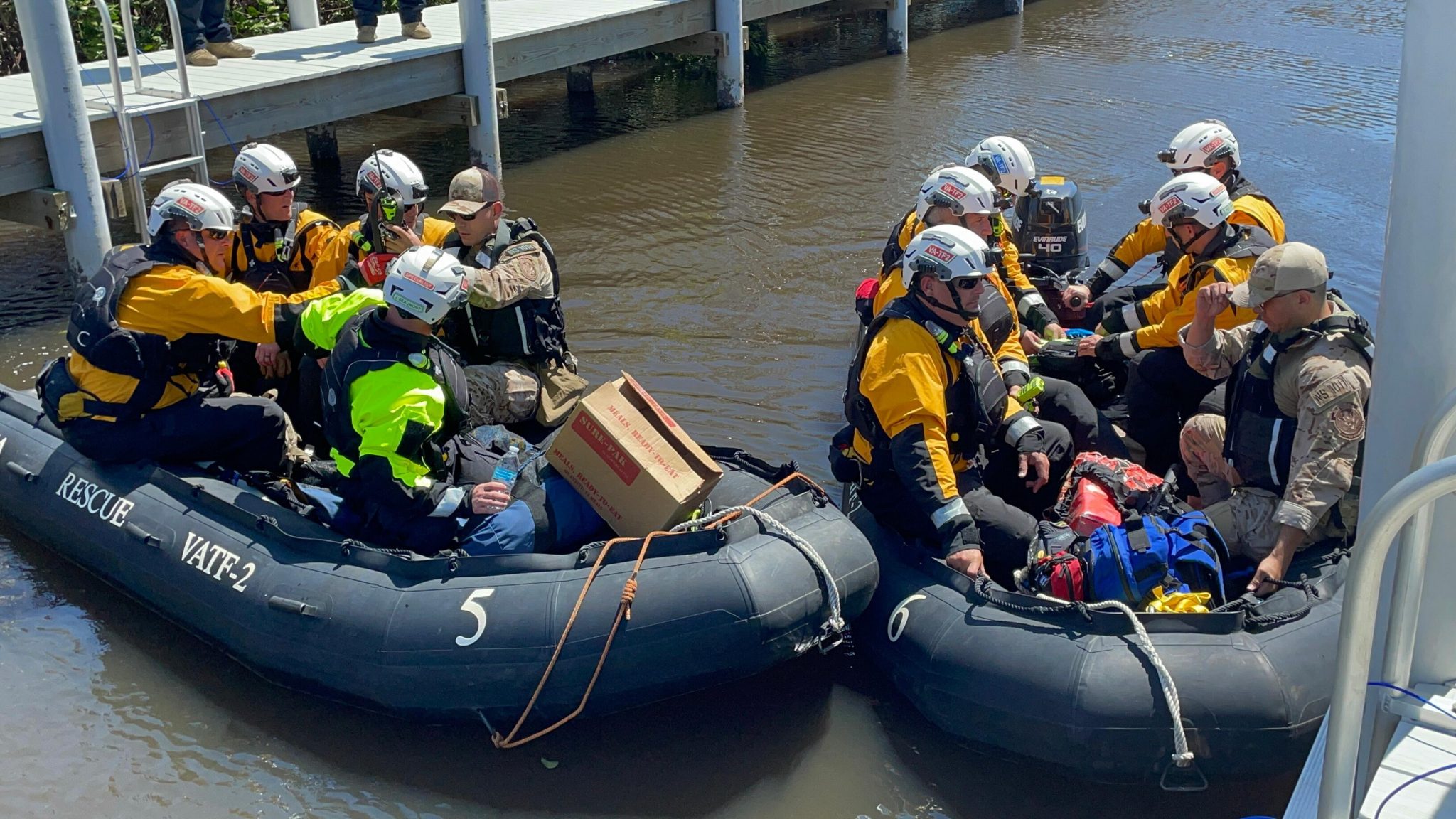
Veteran-led organizations consistently demonstrate their effectiveness in real-world disaster scenarios, often providing rapid and sustained relief. Their ability to mobilize quickly and operate efficiently is a testament to their military training. These groups fill critical gaps in local and national response efforts.
One prominent example is Team Rubicon, a veteran-led humanitarian organization. Their response to Hurricane Helene, which struck in September 2024, became their longest continuous operation, extending into 2025 and 2026 according to Team Rubicon. Operations continued for months in Georgia counties like Toombs, Coffee, and Richmond, with 80 “Greyshirts” (Team Rubicon volunteers) performing tasks such as tree removal, debris clearance, home mucking, and roof tarping at no cost to homeowners as reported by Team Rubicon.
- Team Rubicon’s Hurricane Helene Response: By September 30, 2024, just days after Helene made landfall, Team Rubicon had served over 35 communities across four states, with over 140 Greyshirts clearing 6,500+ cubic yards of debris as detailed in a situation update.
- Local Veteran Groups: Across Texas, local veteran organizations have been instrumental in responding to frequent flooding and wildfire events, often being among the first on the scene to assist their communities.
- Irreverent Warriors: While primarily focused on veteran mental health through camaraderie events like their Silkies Hikes, organizations like Irreverent Warriors often pivot to community support during crises, providing essential morale and logistical assistance. Irreverent Warriors reported 46 events in 2025, raising over $87,000 for veteran mental health initiatives. Learn more about Irreverent Warriors Puerto Rico and their impact.
These examples highlight the adaptable nature of veteran-led teams, capable of both immediate crisis intervention and sustained recovery efforts.
Veteran-Led Disaster Response Organizations: Capabilities and Focus Areas
This table compares major veteran-led disaster response organizations, helping communities and veterans understand which organizations align with specific disaster response needs and how to engage with them effectively.
| Organization | Primary Disaster Types | Geographic Coverage | Volunteer Requirements | Response Time |
|---|---|---|---|---|
| Team Rubicon | Hurricanes, floods, tornadoes, wildfires, health crises | National (U.S.) & International | Veterans (Greyshirts), First Responders, Civilians | Rapid deployment (within 72 hours) |
| Veterans Response | Floods, hurricanes, humanitarian crises | National (U.S.) | Veterans, Civilians | Variable, often focused on sustained aid |
| The Mission Continues | Community revitalization, long-term recovery | National (U.S.) – Service Platoons | Veterans, Civilians | Project-based, not immediate disaster response |
| Irreverent Warriors (community support pivot) | Mental health support, community morale, indirect aid during crises | National (U.S.) – Chapter-based | Veterans, Supporters | Community-driven, not direct disaster response |
| Local veteran emergency response teams | Community-specific disasters (e.g., local flooding, storms) | Local/Regional | Veterans, Local volunteers | Immediate (often first on scene) |
| Traditional emergency management agencies (for comparison) | All-hazards (FEMA, Red Cross) | National & International | Professional staff, trained volunteers | Standardized (FEMA as outlined in FEMA training materials.
A bill introduced in July 2025, H.R. 4480, aims to create a veterans advocate at FEMA to help integrate veteran needs and organizations into disaster relief, highlighting the growing recognition of their role as noted by Congressman Tom Barrett. 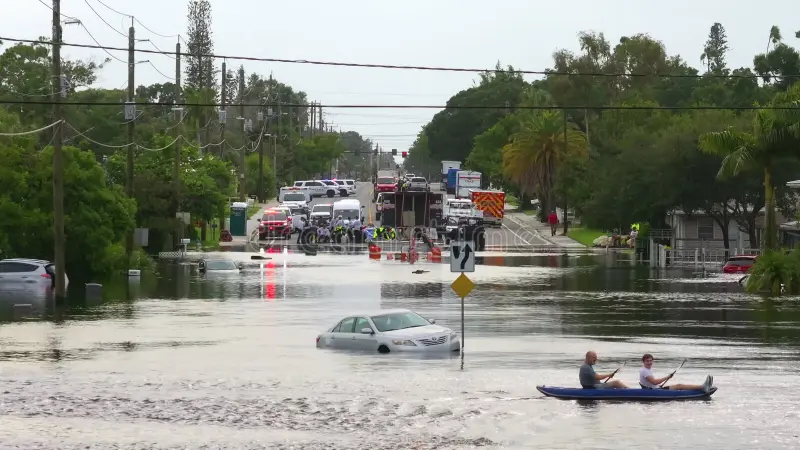
Challenges and Solutions: What Veteran Responders Face in the FieldVeteran responders encounter unique challenges in the field, ranging from bureaucratic hurdles to mental health considerations. Addressing these obstacles is crucial for sustained effectiveness and volunteer well-being. These challenges require proactive solutions and strong support networks. Key challenges and their solutions include:
Oscar Mike Radio emphasizes the importance of supporting veteran mental health and providing resources like those found in Veterans Villages to ensure their continued well-being. Key Takeaways
Conclusion: The Future of Veteran-Led Community ResilienceThe role of U.S. Military Veterans in community disaster response is not just growing; it’s becoming indispensable. Their unique training, leadership, and unwavering commitment to service provide a critical layer of resilience that communities desperately need in an era of increasing natural disasters. By embracing structured approaches like the RAPID Response Framework, veteran-led organizations are proving their ability to deliver precision and effectiveness when it matters most. Communities must actively seek to leverage this expertise, moving beyond ad-hoc engagement to fully integrate veteran groups into annual preparedness plans. For veterans, getting involved in local disaster preparedness offers a powerful way to continue serving. Resources from organizations like Team Rubicon, Veterans Response, and Oscar Mike Radio provide pathways for veterans to find their next mission and make a tangible difference in their local communities. Frequently Asked QuestionsWhat makes veterans uniquely qualified to lead disaster response efforts?Veterans are uniquely qualified due to their military training in leadership under pressure, rapid decision-making in chaotic environments, expert logistics and supply chain management, and highly effective team coordination and communication protocols. How can I start a veteran-led disaster response team in my community?To start a veteran-led disaster response team, identify and recruit veterans with relevant skills, establish strong partnerships with local emergency management agencies, create clear training protocols and standard operating procedures, and secure necessary funding, equipment, and insurance. What is the RAPID Response Framework for veteran disaster relief?The RAPID Response Framework is a five-phase methodology: Reconnaissance (initial assessment), Allocation (resource distribution), Prioritization (triage of needs), Integration (coordination with existing services), and Deployment (execution of operations). Explore Mario Cima and Irreverent Warriors Puerto Rico. Which veteran organizations respond to natural disasters?Team Rubicon and Veterans Response are prominent veteran organizations that actively respond to natural disasters. Other local veteran groups also mobilize, and organizations like Irreverent Warriors often pivot to providing community support during crises. Do veteran disaster responders work with FEMA and official emergency services?Yes, veteran disaster responders actively coordinate with FEMA and official emergency services. Effective integration relies on established partnerships, clear communication channels, and understanding the local incident command structure before disasters occur. How quickly can veteran response teams deploy to disaster areas?Veteran response teams can deploy rapidly, often within 72 hours, due to their pre-organized networks and military-derived efficiency. This speed advantage is critical for immediate aid compared to traditional response timelines. What challenges do veterans face when leading disaster response operations?Veterans face challenges such as navigating complex bureaucracy, securing adequate funding, managing potential PTSD triggers and mental health concerns in high-stress environments, and building credibility with established local authorities. Explore support for veterans in their communities. Is disaster response work safe for veterans dealing with PTSD?Disaster response work can be safe for veterans dealing with PTSD, especially when support systems like peer counseling and mental health resources are in place. Many veteran organizations emphasize self-awareness and provide a supportive environment where continued service can be therapeutic. How are veteran disaster response teams funded?Veteran disaster response teams are funded through a combination of grants from foundations, corporate partnerships, individual donations, and community fundraising events. Many specific grants are available for veteran nonprofit organizations. Can non-veterans volunteer with veteran-led disaster response teams?Yes, most veteran-led disaster response organizations welcome non-veteran volunteers. Civilians often play crucial roles in logistics, administrative support, data management, and direct aid, contributing to a collaborative team-building environment. Key Terms GlossaryRAPID Response Framework: A five-phase methodology (Reconnaissance, Allocation, Prioritization, Integration, Deployment) used by veteran-led organizations for structured disaster relief. Explore Operation Homefront. Greyshirts: The term used for volunteers, primarily U.S. Military Veterans, who serve with Team Rubicon in disaster response efforts. Mucking: A common disaster relief task involving the removal of mud, water, and debris from flooded homes and buildings. Incident Command System (ICS): A standardized, on-scene, all-hazards incident management approach used by governmental and non-governmental agencies for disaster response. Non-Governmental Organizations (NGOs): Private, non-profit organizations that operate independently of governments, often involved in humanitarian and disaster relief efforts. Veteran Service Organizations (VSOs): Organizations dedicated to supporting and advocating for U.S. Military Veterans and their families. Telehealth: The use of electronic information and telecommunications technologies to support long-distance clinical health care, patient and professional health-related education, public health, and health administration. Thank you toOur Sponsors
Joyce Asack Realty
Echo Six Ranch
Viking BagsThank you toOur Supporters


Never miss an episode.Subscribe to the podcast Oscar Mike Radio Travis Partington You may also enjoy…F-35 Parts Rerouted to Hong Kong: What Happened & WhyThe unexpected rerouting of F-35 Lightning II components to Hong Kong has triggered significant alarm within national security circles and the defense industry. This incident highlights critical vulnerabilities in the complex global military supply chain, raising... How AI Intelligence Error Nearly Sparked U.S.-China ConflictIn a chilling near-miss incident in spring 2026, an AI-driven intelligence system within the U.S. Navy misidentified routine Chinese naval movements in the South China Sea as aggressive positioning, nearly triggering a significant military response. This event, where... America’s Broken Arrows: Lost Nuclear Weapons GuideThe United States military has, over decades, experienced a series of accidents involving nuclear weapons, incidents officially classified as Broken Arrows. These events represent severe mishaps, ranging from accidental jettisoning to near-detonations, and have... |