

The concept of Everyday Carry (EDC) has exploded in popularity, often fueled by social media posts showcasing elaborate and expensive gear. However, this online spectacle frequently diverges from the practical realities of what U.S. Military Veterans, particularly those with combat experience, choose to carry daily. At Oscar Mike Radio, we understand that true utility is forged in experience, not online trends.
This article cuts through the noise, offering an honest look at what Veterans actually carry versus the often-unrealistic internet fantasy. We will explore the “Three-Pocket Reality Check” framework: Veterans consistently carry only what fits in three pockets (phone pocket, wallet pocket, keys pocket) because military experience teaches that anything beyond immediate-access essentials becomes dead weight.
What EDC Actually Meant Downrange vs. What It Means Now
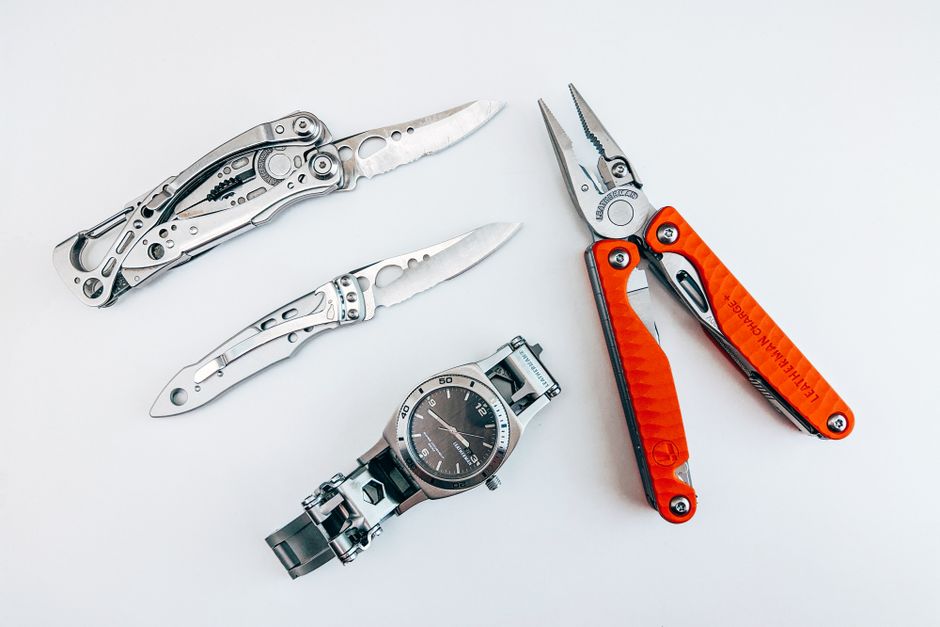
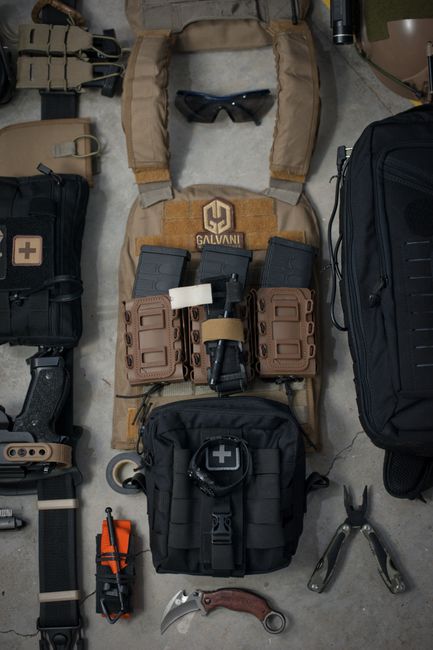
Everyday Carry for a service member downrange was a matter of survival, dictated by mission requirements, not personal preference. It was a loadout, not a collection of gadgets.
During deployment, gear was mission-essential and often weighed significantly. For instance, U.S. Army Field Manual FM 21-18 sets the maximum fighting load at 48 lbs, excluding the weapon, for optimal mobility, but Marines and Soldiers often averaged 117-119 lbs total load in deployments, far exceeding standards, according to a 2019 Marine Capt. Courtney Thompson’s research. The transition from issued gear to personal choices for Veterans often involves shedding this heavy burden.
- Downrange EDC was functional and mission-specific.
- Military training emphasizes function and reliability over aesthetics.
- Post-service, Veterans often simplify their carry due to past experiences.
- The weight of combat gear makes civilian minimalism appealing.
Most Veterans simplify their EDC after service, understanding that civilian scenarios rarely demand the same level of preparedness as a combat zone. This simplification is a direct result of military training, which instills a deep appreciation for efficiency and avoiding unnecessary bulk.
The Internet Fantasy: $2,000 Pocket Dumps and Tactical Overkill
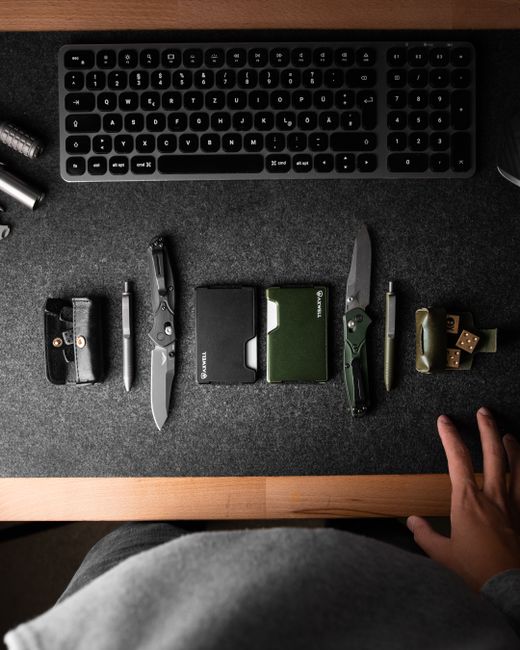
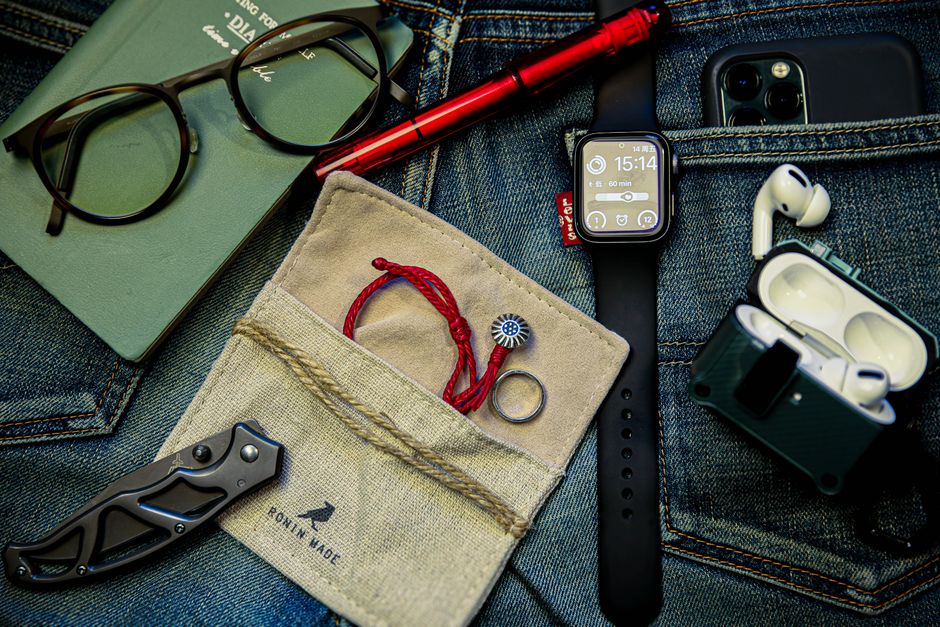
The internet, particularly platforms like Instagram and Reddit, showcases an EDC culture that often prioritizes aesthetics and luxury over practical utility. These “pocket dumps” frequently feature custom knives, titanium wallets, multiple flashlights, and challenge coins, creating unrealistic expectations. Explore 133 Becky Tough a Soldiers Kit.
A typical Instagram EDC post might boast a total cost ranging from $400-$800 for sponsored setups, with high-end “flex” posts exceeding $1,200, per 2026 influencer data. This contrasts sharply with a more practical entry-level setup, which averages $120 on Reddit for popular items like knives, wallets, and flashlights, according to a 2026 poll in r/EDC. Most of this expensive, specialized gear often sits unused in real daily life.
- Instagram EDC often features luxury items.
- Tactical overkill is common in online displays.
- These setups emphasize collecting over actual utility.
- The market is driven by trends, not practical needs.
The psychological appeal of gear collecting can overshadow the core purpose of EDC: preparedness for daily challenges. For U.S. Military Veterans, the lesson learned downrange is often less is more, especially when every ounce counts.
| Item Category | Internet Fantasy EDC | What Veterans Actually Carry | Why the Difference |
|---|---|---|---|
| Knife/Multitool | Custom, high-end, often multiple fixed blades or large folders (e.g., $300+ custom EDC knives) | One practical, reliable folding knife or a basic multi-tool (e.g., Leatherman or Victorinox, $50-150) | Focus on utility and low profile; military experience values functional simplicity over showmanship. |
| Wallet/Cardholder | Titanium, carbon fiber, or exotic leather minimalist wallets (e.g., Ridge Wallet, $100+) | Simple, durable leather or synthetic wallet/cardholder; often a basic bi-fold or slim design (e.g., $20-50) | Preference for blending in and avoiding unnecessary expense; durability over exotic materials. |
| Flashlight | Multiple high-lumen, tactical flashlights with strobe modes (e.g., SureFire, Streamlight, $100-200 each) | Optional: one compact, reliable LED flashlight if work requires it, or none (e.g., Fenix, Olight, $30-70) | Most civilian scenarios don’t require tactical illumination; phones often suffice for casual light needs. |
| Firearm/Self-Defense | Concealed carry pistol with multiple spare magazines, tactical holster, backup knife | Personal choice; some carry a pistol with a single spare magazine, others opt for non-lethal (e.g., pepper spray) or no self-defense items | Concealed carry is a personal decision, not a universal military carry item; emphasis on responsible and legal carry. A 2017 study found 44.9% of U.S. veterans own firearms, with 63.1% citing protection as their primary reason. |
| Accessories | Challenge coins, paracord bracelets, tactical pens, expensive key organizers, custom fidget toys | Keys with minimal attachments, perhaps a simple pen, maybe a basic watch | Avoidance of unnecessary bulk and items that draw attention; focus on essential tools. |
| Total Cost | $300 – $2,000+ | $50 – $200 | Value for money and actual utility trump expensive, collection-driven purchases. |
| Daily Usability | Low; many items are rarely used, impractical for daily civilian life | High; items are chosen for frequent, practical use in common scenarios | Military training prioritizes what is truly essential and effective for the task at hand. |
What Army and Marine Corps Veterans Actually Carry Daily
The “Three-Pocket Reality Check” applies directly to Army and U.S. Marine Corps Veterans, who often prioritize minimalism after years of carrying heavy mission-essential gear. Their daily civilian carry is typically stripped down to the absolute essentials.
A 2026 YouGov poll found that 61% of former military personnel prioritize discreet, low-profile EDC, citing tactical efficiency without bulk. This preference for simplicity stems from a deep understanding that unnecessary items hinder rather than help in most situations. For many, the core trio is paramount.
- Wallet or cardholder: Simple, durable, and discreet.
- Phone: The primary communication, navigation, and utility tool.
- Keys: Minimal attachments, often just the necessary keys.
- One practical folding knife or multi-tool: Chosen for actual utility, not aesthetics.
- Optional: A basic flashlight if their work requires it.
This minimalist approach reflects a practical mindset honed by years of service, where every item had a purpose or was left behind. Most Army and U.S. Marine Corps Veterans would rather blend in than stand out with an overly tactical appearance.

What Navy and Air Force Veterans Actually Carry Daily
Similar to their ground-based counterparts, Navy and U.S. Air Force Veterans generally adopt a minimalist approach to their everyday carry after service. The core items remain consistent across all branches.
The “Three-Pocket Reality Check” still holds true, with phone, wallet, and keys forming the essential foundation. Branch-specific variations are more likely to emerge based on post-service careers rather than their military branch itself.
- Phone, wallet, and keys are universal.
- Branch-specific carry variations are rare.
- Post-service careers influence specialized tools.
- The tactical aesthetic is largely abandoned.
Whether an Army Veteran, U.S. Marine Corps, Navy Veteran, or U.S. Air Force, the overarching theme is a move away from the “tactical” aesthetic so prevalent online. Real-world experience teaches that reliability and function are far more valuable than a collection of expensive, rarely used gear. Explore military story.
Oscar Mike Radio consistently highlights stories from U.S. Veterans that underscore this practical approach to life, including their everyday carry. You can hear more military stories that emphasize resilience and practical wisdom.
The Real Reasons Veterans Simplify Their EDC
The transition from military service to civilian life often involves a significant shift in perspective regarding what is truly necessary. For U.S. Veterans, this translates into a highly simplified Everyday Carry.
Years of carrying heavy loads during service, where a Marine’s fighting load could range from 43-62 lbs, as noted in a 2019 Marine Corps Times analysis, fosters a deep-seated fatigue with unnecessary weight. This experience directly informs their civilian EDC choices, leading to a strong preference for blending in rather than standing out.
- Fatigue from heavy gear: Years of carrying substantial weight makes minimalism appealing.
- Desire to blend in: Avoiding overt tactical gear helps integrate into civilian life.
- Focus on reliability and function: Practicality trumps appearance every time.
- Understanding of civilian scenarios: Most daily life doesn’t require tactical solutions.
The military instills a profound understanding that efficiency is key. This translates into civilian life by prioritizing items that genuinely serve a purpose without adding bulk or attracting unwanted attention. The best EDC is the one you’ll actually carry and use, consistently.
When Veterans Do Carry More: Situational EDC
While U.S. Veterans generally favor minimalist Everyday Carry, there are specific situations where their carry expands beyond the basic “Three-Pocket Reality Check.” These instances are driven by necessity, not by a desire for a flashy display of gear. Explore personal military experiences.
Work-specific carry, such as for trades, law enforcement, or security roles, often necessitates additional tools or equipment. Outdoor recreation, hunting, or remote travel also prompt a more comprehensive loadout, reflecting a return to mission-specific gear, albeit for leisure or safety. For those who choose to carry a firearm, concealed carry considerations are paramount.
- Work-specific needs (e.g., law enforcement, security).
- Outdoor activities (e.g., hunting, camping, hiking).
- Concealed carry for personal defense (a personal choice).
- Travel, which may require different essentials than daily routine.
It is important to note that concealed carry is a personal and legal choice. While 44.9% of U.S. Veterans own firearms, with 63.1% citing protection as a primary reason according to a 2017 study published in PMC, this does not mean all Veterans carry daily. For those who do, the emphasis remains on responsible, discreet, and functional carry, rather than a performative display.
Oscar Mike Radio supports U.S. Veterans in all aspects of their transition, including navigating personal choices like concealed carry. We believe in informed decisions rooted in real-world understanding.
Conclusion: Practical Beats Performative
The core message from U.S. Military Veterans regarding Everyday Carry is clear: practical utility and simplicity always triumph over performative displays. The “Three-Pocket Reality Check” is not just a guideline; it’s a philosophy born from experience, where unnecessary weight and complexity are liabilities.
We encourage readers to build their EDC around actual daily needs, not the often-unrealistic internet trends. While gear collecting can be an enjoyable hobby, it is crucial to distinguish between items that are genuinely useful and those that serve primarily as status symbols. The best EDC is what you’ll actually carry and use, consistently and effectively.
Key Takeaways
- U.S. Veterans prioritize minimalist EDC, often adhering to a “Three-Pocket Reality Check.”
- Internet EDC fantasies with expensive, tactical gear do not reflect real Veteran carry.
- Military experience teaches the value of light, functional, and reliable essentials.
- Veterans simplify their EDC due to gear fatigue and a desire to blend into civilian life.
- Situational needs (work, recreation, self-defense) dictate when Veterans carry more.
- Practicality and reliability are paramount over aesthetics and brand hype.
Frequently Asked Questions
What do most military Veterans actually carry every day?
Most U.S. Military Veterans primarily carry a minimalist set of essentials: their phone, wallet or cardholder, and keys. This “Three-Pocket Reality Check” reflects a preference for simplicity and functionality after military service. Explore military story part 6.
Why don’t Veterans carry all the tactical gear you see online?
U.S. Veterans typically don’t carry extensive tactical gear in civilian life due to fatigue from carrying heavy equipment during service, a desire to blend in, and the understanding that most daily civilian scenarios do not require tactical solutions.
Is EDC different between Army, Navy, Marine Corps, and Air Force Veterans?
While the specific experiences vary, all branches of U.S. Veterans tend toward minimalism post-service. Any differences in EDC are generally based on individual post-military careers or hobbies, rather than their specific service branch.
Do Veterans carry firearms as part of their EDC?
Some U.S. Veterans do choose to carry firearms with appropriate concealed carry permits, but it is a personal decision and not a universal practice. A 2017 study found 44.9% of U.S. veterans own firearms, with protection being a primary motivator for many. Explore Episode 170 I Talk About Veterans and What It Means to Me This Year.
What is the best EDC knife for Veterans?
The best EDC knife for U.S. Veterans is typically a simple, reliable folding knife or a multi-tool that they will actually use for daily tasks, not an expensive custom piece. Functionality and durability are prioritized over collector’s value or elaborate features.
How much should I spend on my EDC setup?
Practical EDC setups, favored by U.S. Veterans, generally cost between $50 and $200. This contrasts sharply with the $2,000+ setups often seen on social media, emphasizing that function and utility are more important than high cost.
What EDC gear do Veterans recommend for civilians?
U.S. Veterans recommend building an EDC around actual daily needs: quality basics, reliability, and functionality. They advise against prioritizing tactical aesthetics or brand names over genuine utility and comfort. Explore my military story.
Why is there such a big difference between military gear and civilian EDC?
The difference stems from mission requirements versus daily life. Military gear is designed for specific, often extreme, operational scenarios and is typically heavy, whereas civilian EDC focuses on light, practical items for common, everyday challenges.
Do Veterans use tactical wallets and accessories?
Most U.S. Veterans do not use tactical wallets or accessories. They generally prefer simple, durable, and discreet options that do not draw attention or add unnecessary bulk to their daily carry.
What EDC mistakes do civilians make that Veterans avoid?
Civilians often make EDC mistakes such as over-carrying unused gear, prioritizing appearance over function, and buying into social media trends rather than testing an item’s actual utility for their daily lives. Explore real military experiences.
Key Terms Glossary
Everyday Carry (EDC): The collection of essential items an individual carries with them on a daily basis to help them prepare for routine and unexpected situations.
Three-Pocket Reality Check: A framework suggesting that truly essential EDC items are those that fit comfortably and discreetly into three standard pockets (phone, wallet, keys).
Downrange: A military term referring to a combat zone or deployed area where service members operate.
Loadout: A military term for the specific equipment and gear carried for a particular mission or deployment.
Tactical Overkill: The practice of carrying an excessive amount of gear or items that are overly specialized for daily civilian use, often prioritizing appearance over practicality.
Concealed Carry: The practice of carrying a weapon, typically a handgun, in public in a manner that prevents its detection by others.
Multi-tool: A single hand tool that combines several individual functions in one unit, such as pliers, knife blades, and screwdrivers.