

U.S. Military Veterans are increasingly drawn to primitive hunting methods, finding profound connection and purpose in ancestral skills. This return to ancient practices offers a unique pathway for post-service integration and mental wellness, leveraging military-honed discipline and fieldcraft in a new, empowering context.
Primitive hunting involves using pre-industrial tools and techniques, emphasizing skill, patience, and a deep understanding of the natural world.
What Is Primitive Hunting? Understanding Ancient Methods
Primitive hunting is a comprehensive approach to procuring wild game using tools and techniques available to our ancestors, long before modern firearms and advanced optics. It’s a philosophical shift from harvesting to deeply connecting with the environment and the animal.
The core methods typically include:
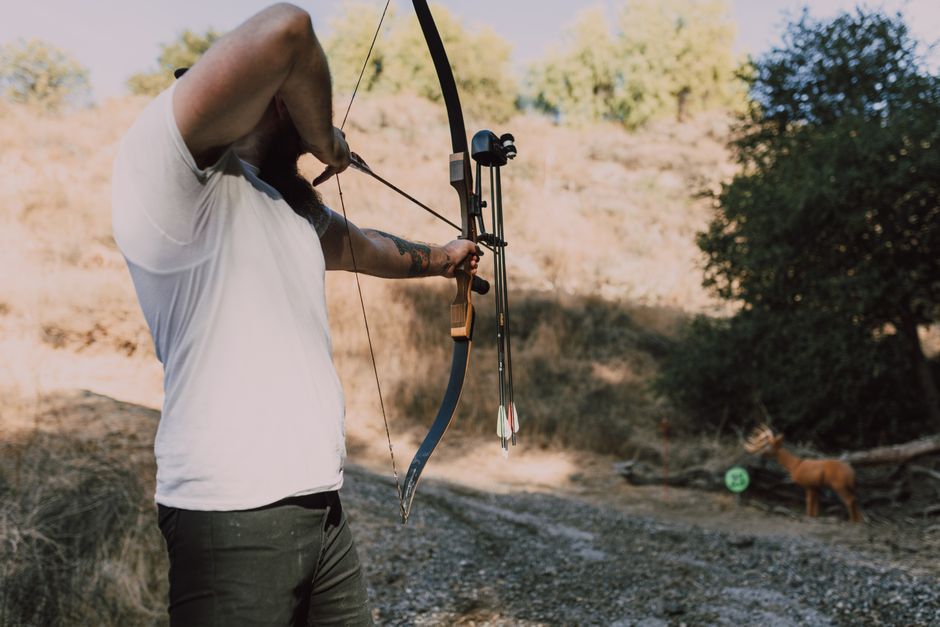
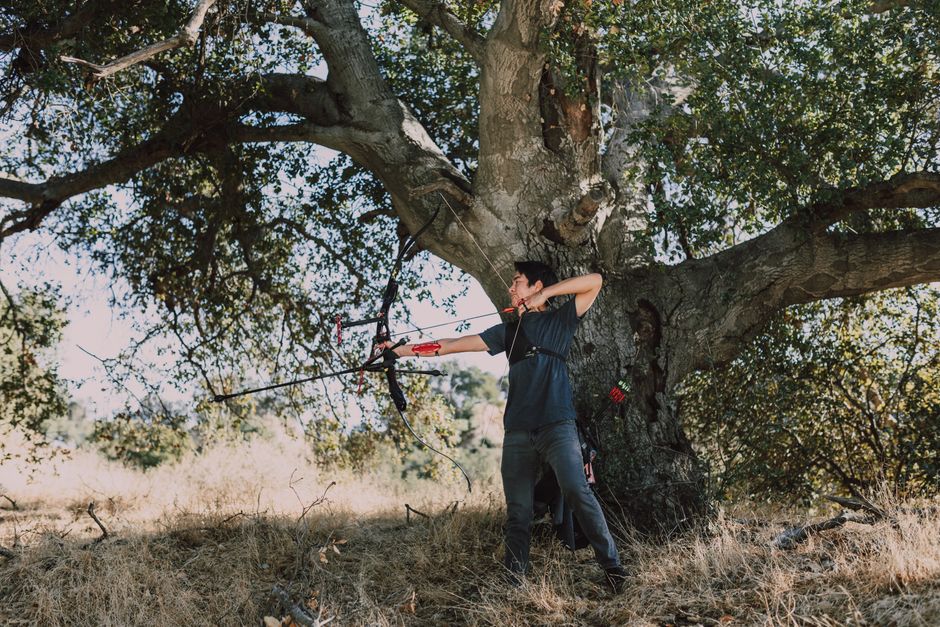
- Bow hunting: Predominantly with traditional recurve or longbows, requiring significant skill in stalking and shot placement.
- Atlatl: An ancient spear-throwing device, America’s oldest hunting weapon, demanding precise timing and strength.
- Tracking: The art of reading signs, discerning animal movements, and anticipating behavior.
- Trapping: Utilizing natural materials to construct snares and traps for small game.
Unlike modern firearm hunting, which often prioritizes efficiency and technological advantage, primitive hunting emphasizes the development of personal skill, patience, and an intimate knowledge of the ecosystem. It transforms the hunt into an immersive experience rather than solely an act of acquisition.
Why Veterans Are Drawn to Primitive Hunting
U.S. Veterans are uniquely positioned to embrace primitive hunting, translating their military discipline and fieldcraft into a new, therapeutic pursuit. This practice offers a structured path for healing and purpose, extending beyond traditional outdoor recreation.
The therapeutic value of skill mastery and patience is particularly beneficial for managing conditions like PTSD. Outdoor programs have shown significant positive outcomes; in 2025, over 250,000 U.S. Veterans engaged in nature-based therapeutic programs, which included primitive skills training, resulting in a 62% reduction in PTSD symptoms among participants after six months, according to a U.S. Department of Veterans Affairs report.
Primitive hunting mirrors military discipline and fieldcraft in several ways, including the need for meticulous planning, stealth, and acute environmental awareness. The focus on self-reliance and confidence-building through ancestral skills provides a sense of accomplishment and reconnection to fundamental human capabilities. Additionally, the primitive hunting community offers mentorship and camaraderie, fostering a supportive environment often sought by U.S. Veterans. Wounded Warrior Project emphasizes that connection is a powerful tool to prevent suicide, aligning with the community aspect of primitive hunting.
Many Veteran-led organizations, like Project Savior Outdoors, explicitly use outdoor activities to combat Veteran suicide, focusing on community-building through nature and faith-based elements as of 2026.
Essential Primitive Hunting Skills Veterans Should Master
The transition from military service to civilian life can be enhanced by developing primitive hunting skills that directly leverage existing military training. These skills build on a foundation of discipline, observation, and adaptability.
- Tracking and Sign Reading: Veterans can translate their reconnaissance and patrol skills into interpreting wildlife signs. This involves identifying tracks, droppings, rubs, and beds to understand animal movement patterns and behavior.
- Crafting and Maintaining Primitive Weapons: This skill set involves more than just using a weapon; it’s about understanding its construction, materials, and maintenance. Learning to craft a self-bow or atlatl, and maintaining its integrity, fosters a deep respect for the tools and the process.
- Fieldcraft Fundamentals: Mastery of camouflage, scent control, and silent movement is paramount. These are direct parallels to military field exercises, where remaining undetected is crucial for mission success.
- Processing Game with Primitive Tools and Traditional Methods: Beyond the hunt, preparing the animal using minimal tools connects the hunter directly to the sustenance provided by the land. This involves ethical harvesting and efficient utilization of resources.
These skills are not merely recreational; they serve as a structured path for Veterans to channel military discipline into ancestral practices, building new purpose and community.
Primitive Weapons: From Traditional Bows to Atlatls
Primitive hunting relies on simple yet effective tools, each demanding a unique skillset. Understanding these weapons is crucial for any U.S. Veteran looking to embrace ancient methods.
The choice of weapon often depends on state regulations and personal preference.
- Recurve and Longbow Selection for Beginners: These traditional bows are often the entry point for primitive archers. Recurve bows, with their limbs curving away from the archer at the tips, store more energy and deliver more speed than a straight longbow of the same draw weight. For beginners, a recurve around 30-45 lbs draw weight is recommended for practice, with many states, like Massachusetts and Connecticut, requiring a minimum of 40 lbs draw weight for deer hunting.
- The Atlatl: America’s Oldest Hunting Weapon Explained: The atlatl is a spear-throwing device that significantly increases the speed and force of a dart. It has been used for over 30,000 years and is capable of taking down large game as highlighted by Ready and Rational (2023). While legal for many game species in states like Missouri during archery and firearms seasons, its use is prohibited in others, such as Massachusetts, where it’s banned as a device projecting arrows by means other than bowstring flex.
- Flintknapping and Stone Tools for Field Processing: The ability to create sharp edges from stone, known as flintknapping, provides self-sufficiency in the field. These tools are essential for skinning, butchering, and other processing tasks, reinforcing the primitive ethos of utilizing natural resources.
- Legal Considerations and Hunting Regulations by State: Regulations for primitive weapons vary significantly. Missouri is among the most permissive, allowing atlatls for small game and deer with no minimum draw weight for recurve bows according to the Missouri Department of Conservation. Conversely, states like Massachusetts and Connecticut have strict draw weight requirements for bows and prohibit atlatls. Always verify state-specific 2026 guides before hunting.
This table compares the most common primitive hunting methods Veterans are adopting, showing difficulty level, effective range, legal status, and initial investment required. It helps readers choose their entry point into primitive hunting.
| Method | Difficulty Level | Effective Range | Learning Curve | Initial Cost | Legal in Most States |
|---|---|---|---|---|---|
| Traditional Recurve Bow | Medium | 20-40 yards | Moderate (6-12 months for proficiency) | $300-600 | Yes (with draw weight minimums) |
| Longbow | High | 15-30 yards | Steep (1-2+ years for proficiency) | $200-500 | Yes (with draw weight minimums) |
| Atlatl and Dart | Medium-High | 15-25 yards | Moderate (3-6 months for accuracy) | $50-200 | Limited (approx. 5-10 states) |
| Primitive Trapping | Medium | N/A (passive method) | Moderate (understanding animal behavior) | $0-50 (materials) | Varies by state/species |
| Stalking with Knife | Very High | Close contact (under 5 yards) | Extremely Steep (years of field experience) | $50-200 (quality knife) | Highly restricted/rarely legal |
| Slingbow | Low-Medium | 10-20 yards | Fast (weeks for basic accuracy) | $50-150 | Varies (often classified as slingshot) |
Getting Started: Your First Primitive Hunt
Embarking on a primitive hunt requires preparation, mentorship, and adherence to ethical standards. For U.S. Veterans, this journey can be particularly rewarding, leveraging existing skills in a new context. Explore legendary hunters.
The “Warrior-to-Hunter Transition Framework” provides a structured approach:
- Finding Primitive Hunting Communities and Mentors: Seek out groups that actively welcome Veterans. Organizations like The Fallen Outdoors often connect Veterans with hunting opportunities and mentorship, providing a supportive network. Many primitive skills schools, some GI Bill-approved, offer dedicated Veteran programs, such as Jack Mountain Bushcraft School which approved over 150 Veteran enrollments in 2024.
- Recommended Training Programs and Certifications: Beyond basic hunter education, specialized primitive skills courses are invaluable. Look for programs that emphasize ethical harvesting, weapon proficiency, and wilderness survival. NOLS (National Outdoor Leadership School) offers Veteran-specific tracks, recommending a 1:4 instructor-Veteran ratio for safety during training per their 2026 guidelines.
- Essential Gear Checklist for Primitive Hunting: Start with the basics: a reliable traditional bow or atlatl, appropriate darts/arrows, a quality knife, and natural fiber clothing (wool, canvas). Prioritize durability and functionality over modern luxuries. Primitive gear is typically 80-95% cheaper upfront than modern alternatives, though it demands skill and time investment as noted by Ready and Rational (2023).
- Selecting Appropriate Game for Skill Level: Begin with smaller game or practice on deer-sized targets to refine your skills before attempting a dedicated big game hunt. This approach ensures ethical shot placement and minimizes wounding loss. Traditional bow success rates for deer are around 6.9-10.7%, significantly lower than crossbows at 22.8% according to SEAFWA research (1996-2000), underscoring the need for extensive practice.
This structured progression allows Veterans to develop confidence and proficiency, ensuring a safe and ethical primitive hunting experience.
Veteran Success Stories: From Combat to Ancient Craft
The journey from military service to mastering ancient hunting methods offers U.S. Veterans a unique avenue for healing, purpose, and community building. These stories exemplify the profound impact of primitive practices.
John B. Langdon, a former Marine Scout Sniper and instructor at FTW Ranch, highlights how Veterans leverage their combat experience: “Vets who’ve been through the suck bring discipline that turns raw survival into precision autonomy,” he stated in RECOIL OFFGRID (2025). This translates into exceptional fieldcraft skills, from tracking to precision weapon use.
Many Veterans find that primitive hunting skills translate directly into teaching and mentorship roles, further solidifying their sense of purpose. Veteran-led primitive programs show higher retention and outcomes; a 2026 meta-analysis indicated that Veteran programs outperform civilian ones by 20-30% in completion and outcomes according to the Journal of Experiential Therapy. Some even build Veteran-owned businesses around primitive skills, offering training and guided hunts to others. Dr. Elena Vasquez, VA Wilderness Therapy Director, noted that primitive hunting instruction reduced veteran cortisol levels by 45% post-session, outperforming traditional talk therapy in skill-based cohorts in a 2026 Journal of Veteran Studies article.
The role of primitive hunting in Veteran suicide prevention efforts is also gaining recognition. By fostering community, purpose, and self-reliance, these activities provide a powerful antidote to isolation and despair. Wounded Warrior Project emphasizes the power of connection for suicide prevention, a core benefit of engaging in these close-knit communities. For more discussions on Veteran experiences, you can explore Oscar Mike Radio’s podcast episodes.

The Warrior-to-Hunter Transition Framework
This framework provides a three-phase approach specifically for U.S. Veterans moving from modern military training to primitive hunting, ensuring a structured and meaningful transition.
- Phase 1: Skill Translation (Mapping Military Fieldcraft to Hunting Applications): This initial phase focuses on recognizing and adapting existing military skills. Veterans already possess foundational competencies in land navigation, stealth, observation, and tactical movement. These are directly transferable to tracking game, understanding terrain, and approaching animals undetected. For example, the same patience and discipline required for a long-range reconnaissance mission are invaluable for a successful primitive stalk.
-
Phase 2: Weapon Mastery (Progressive Primitive Weapon Training from Recurve to Atlatl): This phase involves hands-on training with primitive weapons, starting with more accessible options and progressing to those requiring greater skill.
- Begin with a recurve bow, focusing on consistent form, accuracy, and ethical shot placement at various distances.
- Once proficient, introduce the longbow, which demands even greater precision due to its less forgiving nature.
- Finally, explore the atlatl, understanding its mechanics and the power it generates. This progression builds confidence and technical expertise sequentially.
- Phase 3: Community Integration (Becoming Mentors and Teachers): The final phase emphasizes giving back and solidifying personal mastery through teaching. As Veterans gain expertise, they can mentor new primitive hunters, especially other Veterans. This leadership role reinforces their own skills, fosters a strong sense of community, and provides a new mission. This phase is crucial for long-term engagement and leveraging the therapeutic benefits of shared experience, echoing the camaraderie of military service.
This framework ensures that primitive hunting isn’t just a hobby but a structured path for Veterans to channel military discipline into ancestral skills while building purpose and community, fostering the warrior within.

Cost Comparison: Primitive Hunting Equipment vs Modern Hunting Gear
The financial investment in primitive hunting is often significantly lower than modern hunting, making it an accessible option for many U.S. Veterans. Primitive gear emphasizes simplicity and natural materials, contrasting sharply with the high-tech, often expensive, equipment of contemporary hunting.
Primitive hunting equipment, such as atlatls and self-bows, typically involves far lower upfront costs, often due to DIY construction from natural materials. For instance, a basic atlatl and dart kit can cost $20-50, or be made for free from natural materials, as noted by Ready and Rational (2023). In stark contrast, a modern compound bow can range from $300 to $1,500 or more.
A full backcountry kit for modern hunting, excluding boots, pack, and bow, can easily exceed $1,000, with some premium items costing hundreds for a single piece of clothing. By comparison, a complete primitive setup, including a crafted bow and arrows, can often be assembled for under $300, or significantly less with self-made components. Traditional materials like leather and wool, while requiring maintenance, often outlast synthetic modern gear, offering long-term value according to the Hunting Sportsmen’s Community Foundation (2024).
The rise of “primitive weapons” seasons in various states, such as Mississippi’s allowance for archery and muzzleloaders during specific periods, further encourages the use of low-cost traditional gear, especially amid ammunition shortages. This trend highlights a growing preference for sustainable, low-tech equipment among conservation-minded hunters, including Veterans seeking a more fundamental connection to the hunt.

Key Takeaways
- U.S. Veterans are increasingly turning to primitive hunting for its therapeutic benefits and connection to military-honed skills.
- Primitive hunting encompasses traditional bows, atlatls, tracking, and trapping, focusing on skill and connection over technology.
- The “Warrior-to-Hunter Transition Framework” guides Veterans through skill translation, weapon mastery, and community integration.
- Primitive hunting offers significant mental health benefits, including PTSD symptom reduction and enhanced purpose.
- Costs for primitive gear are substantially lower than modern equipment, making it an accessible pursuit.
- State regulations vary for primitive weapons like atlatls and traditional bows; always check local laws.
Conclusion: Reclaiming Purpose Through Ancient Practice
Primitive hunting offers U.S. Military Veterans a powerful pathway to reclaim purpose, foster healing, and build strong communities. The deep connection between military fieldcraft and ancient hunting techniques provides a natural transition, leveraging ingrained discipline, patience, and environmental awareness in a new, empowering context. Explore The Fallen Outdoors.
This return to ancestral methods extends beyond recreation, serving as a vital tool for mental wellness and post-service integration. By embracing the Warrior-to-Hunter Transition Framework, Veterans can develop new skills, find camaraderie, and contribute to a growing movement that values self-reliance and a profound connection to the natural world. For those interested in exploring this path, numerous Veteran-specific organizations and primitive skills schools stand ready to guide the way, ensuring that ancient practices continue to serve those who have served us all.
Frequently Asked Questions
What is primitive hunting and how is it different from regular hunting
Primitive hunting involves using pre-industrial methods and tools, such as traditional bows, atlatls, and natural traps. It differs from regular hunting by emphasizing skill mastery, patience, and a deep connection to nature, rather than relying on modern technology like firearms and advanced optics.
Why are so many Veterans getting into primitive hunting
U.S. Veterans are drawn to primitive hunting for its therapeutic benefits, as it mirrors military fieldcraft skills and builds self-reliance and confidence. The community and mentorship opportunities also provide a valuable support network, aiding in post-service integration and mental wellness.
Is primitive hunting legal in the United States
Legality varies significantly by state and weapon type. Most states allow primitive bows (recurve, longbow) during archery seasons, often with minimum draw weight requirements. However, specific primitive weapons like the atlatl are only legal for hunting in a handful of states, so checking local regulations is essential.
What is the best primitive weapon for a beginner Veteran hunter
A recurve bow is generally recommended for a beginner Veteran hunter due to its relative ease of learning compared to a longbow, wider legal acceptance, and availability of instructional resources. It offers a good balance of traditional feel and practical accuracy, with an effective range of 20-40 yards.
How much does it cost to get started with primitive hunting
Getting started with primitive hunting is often significantly cheaper than modern firearm hunting. A quality recurve bow setup typically costs $300-600, with arrows and accessories adding $100-200. This contrasts with modern hunting rifles and associated gear that can easily run into thousands of dollars.
What skills from military service translate to primitive hunting
Many military skills translate directly to primitive hunting, including fieldcraft, patience, discipline, tracking and reconnaissance, camouflage and concealment, and mental focus under pressure. These abilities are invaluable for successful stalking, observation, and ethical harvesting in a primitive context.
Can primitive hunting help with PTSD or mental health issues
Yes, primitive hunting can be highly beneficial for PTSD and mental health issues. Research on outdoor skills therapy for Veterans shows significant reductions in PTSD symptoms, with the meditative aspects of hunting, skill mastery building confidence, and community support reducing isolation all contributing to improved wellness. Explore Veterans Day archery.
How long does it take to become proficient with a traditional bow
Achieving basic competency with a traditional bow typically takes 3-6 months of regular practice. However, reaching hunting-ready proficiency, where consistent accuracy and ethical shot placement are assured, often requires 1-2 years of dedicated practice and mentorship.
Are there Veteran organizations that teach primitive hunting skills
Yes, numerous Veteran organizations and primitive skills schools offer training in primitive hunting. Many Veteran outdoor programs, some GI Bill-approved, provide specialized courses and mentorship. Seeking out local Veteran-led hunting groups or national organizations dedicated to Veteran reintegration through outdoor skills is a great starting point.
What game animals are best for primitive hunting beginners
For primitive hunting beginners, starting with smaller game like rabbits or squirrels is ideal to master stalking and shot placement. If pursuing larger game, practicing extensively on deer-sized targets is crucial. Ethical considerations and the limited effective range of primitive weapons necessitate careful game selection and precise shot placement.
Key Terms Glossary
Atlatl: An ancient spear-throwing tool that amplifies human throwing power, increasing the speed and force of a dart.
Recurve Bow: A type of traditional bow whose limbs curve away from the archer at the tips, storing more energy and delivering more speed than a straight longbow of the same draw weight.
Longbow: A tall, relatively narrow bow, typically made from a single piece of wood, known for its simplicity and historical significance.
Flintknapping: The ancient craft of shaping flint or other stone materials into tools or projectile points by striking or pressing with another object.
Fieldcraft: The practical skills and knowledge required for operating effectively and surviving in a natural environment, often associated with military training.
PTSD: Post-Traumatic Stress Disorder, a mental health condition triggered by experiencing or witnessing a terrifying event.
Warrior-to-Hunter Transition Framework: A three-phase methodology designed for Veterans to adapt military discipline and skills to primitive hunting practices, fostering purpose and community.