


For U.S. Military Veterans, a watch is more than a time-telling instrument; it’s a tangible link to service, resilience, and identity. This enduring connection fuels a unique post-service journey, often leading Veterans to collect and even create robust timepieces.
The Service-to-Strap Pipeline describes a three-stage model defining how Veterans transition from military-issued gear to becoming influential figures in the civilian watch industry. This pipeline moves from (1) Standard Issue (functional military watches), to (2) Civilian Translation (first dive/field watch purchase replicating service reliability), to (3) Community Builder (joining veteran watch groups and supporting veteran-owned brands), demonstrating how military values of precision, durability, and camaraderie shape their horological pursuits.
From Service to Straps: The Veteran’s Watch Journey
Military service instills a profound appreciation for reliable, rugged gear, and watches are no exception. For many U.S. Veterans, the transition from standard-issue timepieces to civilian watch collecting is a natural progression, often gravitating towards dive watches and field watches that echo their operational experiences.
This enduring connection extends beyond personal collection; it has fostered a vibrant, veteran-built watch community. This community, driven by shared values and a deep understanding of functional requirements, is now influencing watch design and market trends.
The Military Watch Foundation: What Veterans Wore in Service
U.S. military-issued watches were historically governed by stringent MIL-SPEC standards, ensuring durability and functionality in extreme conditions. These timepieces were not merely accessories; they were essential tools for navigation, timing operations, and survival across all branches.
For instance, during WWII, the U.S. Army issued watches like the 55-1B specification models from brands such as Bulova and Hamilton, requiring features like luminous hands, shock resistance, and a 90-day guarantee according to VintageWatchLife. These deployment experiences forged a deep, emotional connection between service members and their timepieces, often becoming symbols of shared sacrifice and resilience.
- U.S. Army (WWII Era): Spec 55-1B watches required 7+ jewels, luminous hands, and shock/water resistance, ensuring reliability in combat as highlighted by Gear Patrol.
- U.S. Air Force (Korean War Era): Type A-17 pilot watches featured 17 jewels, hacking seconds, and radium numerals for precise timing, essential for air combat in VintageWatchLife’s review.
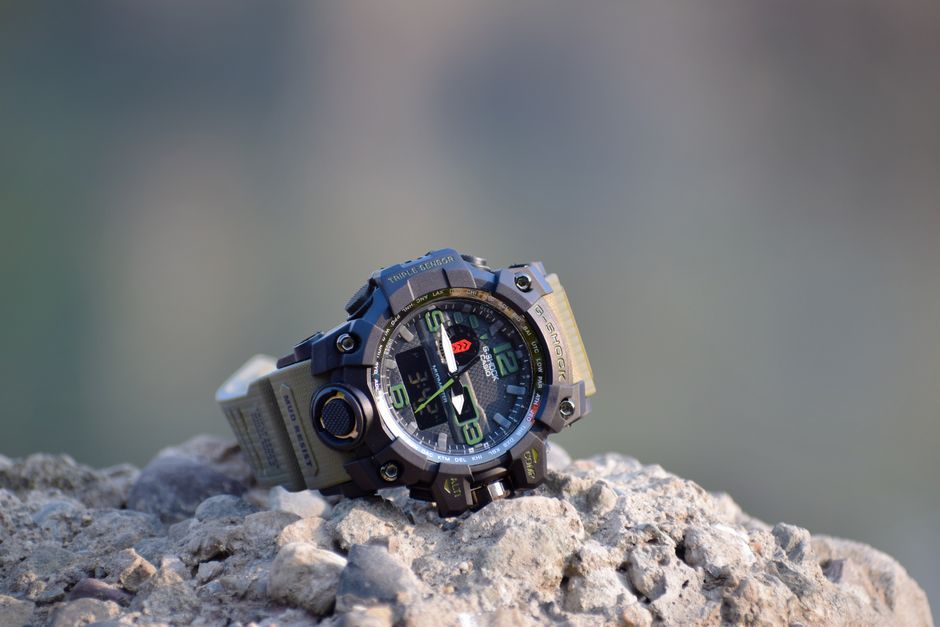
- Modern U.S. Military: The Department of Defense largely shifted to commercial off-the-shelf (COT) watches like Casio G-Shock in the 2010s, prioritizing affordability and durability over custom mil-spec models according to Gear Patrol editors.

Why Veterans Choose Dive Watches After Service
Veterans often gravitate towards dive watches post-service because these timepieces embody the same principles of extreme durability and reliability found in military gear. The technical overlap between military requirements and dive watch specifications is significant, offering psychological comfort to those accustomed to mission-critical equipment. Explore the mission of Oscar Mike Radio.
Dive watches, particularly those rated for 200m to 300m water resistance, meet the rigorous standards expected by Veterans for daily wear and demanding civilian activities. For instance, NITE watches emphasize that 300m water resistance meets professional diving standards, providing robust protection beyond recreational needs. The importance of legibility in low-light conditions, crucial in military operations, is perfectly addressed by the high-quality lume found in dive watches, such as the tritium gas tubes in Luminox watches that provide constant glow for up to 25 years as detailed by Luminox. This blend of robustness, precision, and clear visibility makes dive watches a natural fit for Veterans seeking reliability.
- Water Resistance: 200m (660ft) is suitable for scuba and tactical water crossings, while 300m (984ft) is standard for professional and military maritime operations, often tested with a 25% overpressure margin according to NITE Watches.
- Legibility: High-quality lume, such as Super-LumiNova for initial brightness or self-powered tritium gas tubes for constant glow, ensures readability in all conditions as per Luminox’s technology overview.
- Durability: Screw-down crowns, robust case materials, and scratch-resistant sapphire crystals are common features that mirror military-grade construction.
- Unidirectional Bezel: Originally for tracking elapsed dive time, this feature translates to general utility for timing tasks, a familiar concept for Veterans.
Field Watches: The Civilian Extension of Military Heritage
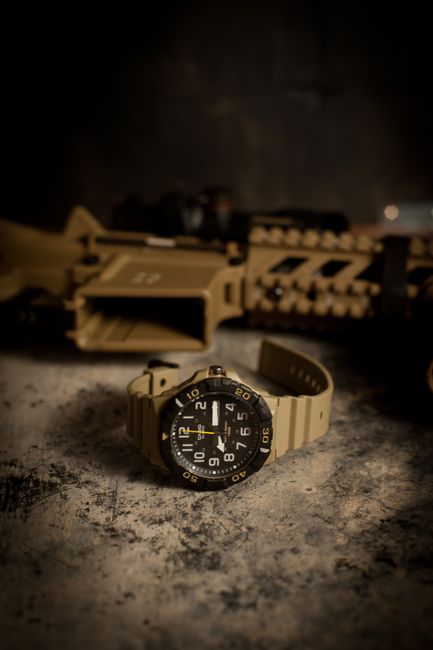
Field watches serve as another direct civilian extension of military heritage, designed for rugged land-based operations. They bridge tactical functionality with everyday wearability, appealing to Veterans who appreciate understated robustness.
Praesidus, a military watch specialist, notes that field watches trace their lineage to WWI trenches, where they provided hands-free readability for soldiers. These watches prioritize legibility, reliability, and ease of use, often featuring a simple, high-contrast dial with 12 and 24-hour markings. Popular field watch features for Veterans include hacking seconds for precise time synchronization, basic date complications for daily utility, and durable NATO straps that prevent watch loss if a spring bar fails as explained by Teddy Baldassarre. The aesthetic appeal of military-inspired design without the uniform allows Veterans to carry a piece of their service identity into civilian life.
- Simplicity and Legibility: High-contrast dials, often with both 12 and 24-hour markers, provide instant readability, crucial for operational efficiency.
- Durability: While not as water-resistant as dive watches, field watches are built to withstand shocks, dust, and general wear and tear, typically offering 50-100m water resistance per VAER Watches.
- Hacking Seconds: A feature that stops the second hand when the crown is pulled, allowing for precise time setting and synchronization, a military necessity.
- NATO Straps: These single-piece nylon straps are a direct military invention, designed for security and comfort in harsh conditions according to Esprit NATO.
Dive Watches vs Field Watches: What Veterans Need to Know
Choosing between a dive watch and a field watch depends on a Veteran’s post-service lifestyle and practical needs. This comparison highlights their distinct military heritage and technical specifications.
| Feature | Dive Watches | Field Watches |
|---|---|---|
| Primary Military Heritage | Naval divers, combat swimmers (mid-20th century) | WWI/WWII infantry, land-based ops (early 20th century) |
| Water Resistance Rating | 200m+ (ISO 6425 certified for diving) | 50-100m (splash, rain, light activity) |
| Typical Case Size | 40-44mm (larger for robustness and legibility underwater) | 36-40mm (smaller, lighter for comfort and less obtrusiveness) |
| Dial Legibility Features | Heavy lume on markers/hands, often bold indices, unidirectional bezel for timing | High-contrast dial (black on white or vice-versa), 12/24hr markings, luminous paint |
| Common Complications | Date, automatic movement, helium escape valve (for saturation diving) | Date, hacking seconds, sometimes day-date or simple chronographs |
| Price Range (Entry to Mid-Tier) | $300 – $1,500 (e.g., Seiko, Citizen, some microbrands) | $200 – $800 (e.g., Hamilton, Timex, some microbrands) |
| Best For (Lifestyle Fit) | Water sports, rugged outdoor activities, professional look with robustness | Everyday wear, hiking, casual outdoor, understated tactical style |
Veteran-Owned Watch Brands Leading the Community
The veteran community’s passion for watches has led to the emergence of highly respected veteran-owned watch brands. These companies are founded by individuals who apply military discipline, an understanding of extreme environments, and a commitment to quality in their designs.
These brands often resonate deeply with Veterans because their founders understand the unique needs and values of their community. For example, Sangin Instruments, founded in 2016 by a U.S. Marine Corps Special Operations veteran, has developed a passionate following for its rugged, mission-ready timepieces, often selling out limited releases in hours. Similarly, Winfield Watch Company, established by a former U.S. Navy Intelligence Officer, designs watches informed by experience supporting Naval Special Warfare. This direct connection fosters trust and loyalty, driving the ‘buy from those who served’ movement within the community.
- Sangin Instruments: Founded by a U.S. Marine Corps Special Operations veteran, Sangin produces tactical watches with a cult following among military and national security communities. Their Kinetic and Atlas models are known for their durability and custom unit options, typically priced between $300–$800 as noted by Watches of Espionage.
- Winfield Watch Company: Established by a U.S. Navy Intelligence Officer, Winfield offers a range of field and dive watches, including GMT models, with designs informed by real-world tactical support. Their offerings are often under $500, making them accessible per Watches of Espionage’s review.
- RESCO Instruments: A pioneer in the veteran-owned microbrand space, RESCO was founded in 2009 and targets military users with robust, purpose-built watches. They are considered an “original gangster” among veteran brands for their early entry into the market according to Watches of Espionage.
- MKII: While not explicitly veteran-owned in all sources, MKII has been producing military-inspired watches since 2002, updating iconic designs with modern technology. This American microbrand has garnered a loyal following among military personnel and watch enthusiasts alike as described by Teddy Baldassarre.
The Watch Community Veterans Built: Forums, Groups, and Meetups
Beyond individual collections and brands, U.S. Veterans have actively built a thriving watch community, both online and offline. This collective space serves as a platform for discussing watches, sharing modifications, and mentoring fellow enthusiasts.
Online communities like Reddit’s r/Militarywatches, which ranks #2 among top military watch forums as highlighted by The Time Bum. These forums allow Veterans to connect over a shared passion, using military service as a common language. Veteran watch meetups, while similar to civilian collector events, often carry a distinct flavor of camaraderie and shared experience, where discussions naturally weave in anecdotes from service.
- Online Forums: Platforms like Watchuseek.com and r/Militarywatches offer extensive archives and active discussions on vintage military pieces, modern tactical watches, and modding as noted by Bob’s Watches.
- Dedicated Groups: Facebook groups like Sketchy Boyz Watch Club provide a multinational space for active and former service members to share field-tested reviews and authentic experiences per The Time Bum.
- Meetups: Informal gatherings allow Veterans to display their collections, discuss new releases, and exchange insights, fostering a sense of belonging and shared interest.
From Issued Gear to Investment Pieces: The Collector’s Journey
The journey from wearing an issued watch to becoming a serious collector is a significant one for many U.S. Veterans. It often begins with a first civilian watch purchase that replicates the reliability of their service gear, gradually evolving into a nuanced appreciation for horology as an investment and a personal statement.
Veterans typically explore various price points, starting with entry-level pieces around $200-$500 that offer robust functionality, moving to enthusiast-grade watches in the $1,000-$3,000 range, and eventually acquiring investment pieces exceeding $5,000. For instance, vintage mil-spec watches, like the A-17, can fetch $1,000-$5,000 at auctions according to Gear Patrol. The secondary market for military watches is particularly active, driven by nostalgia and the desire to own a piece of history. This journey balances the functional needs ingrained during service with the emotional significance and potential value of collected timepieces.
- Entry-Level ($200-$500): Focus on durable, reliable brands like Seiko, Citizen, or entry-level microbrands that offer solid water resistance and legibility.
- Enthusiast-Grade ($1,000-$3,000): Includes brands like Marathon, Hamilton, or higher-end microbrands with Swiss movements, sapphire crystals, and enhanced finishing.
- Investment Pieces ($5,000+): Often includes vintage military-issued watches, limited editions from veteran-owned brands, or luxury tool watches like Rolex Submariners with military provenance.
- Secondary Market: Online platforms and dedicated forums facilitate the buying, selling, and trading of vintage and modern military watches, often with a premium for documented service history.
Oscar Mike Radio regularly features discussions with veteran entrepreneurs and collectors, highlighting their unique contributions to industries like horology. You can listen to various podcast episodes that delve into these topics, offering insights into the business and passion of veteran communities.

Time Honored by Those Who Served
The enduring connection between military service and watch appreciation among U.S. Veterans is a powerful testament to their values. The Service-to-Strap Pipeline illustrates a clear path from relying on standard-issue gear to actively shaping the watch industry as collectors, entrepreneurs, and community builders. Explore learn more about Oscar Mike Radio.
The veteran watch community continues to grow, driven by a shared language of precision, durability, and a deep respect for well-engineered tools. Veteran-owned watch brands are not just selling timepieces; they are offering a piece of their experience, built with the same integrity and resilience that defines military service. For those who served, a watch is more than a device for telling time; it is a symbol of their past, a tool for their present, and a legacy for their future.
Key Takeaways
- U.S. Veterans transition from military-issued watches to civilian dive and field watches, valuing durability and legibility.
- The “Service-to-Strap Pipeline” describes Veterans’ progression from military gear to watch collecting and entrepreneurship.
- Dive watches and field watches appeal to Veterans due to their technical overlap with military specifications.
- Veteran-owned watch brands like Sangin Instruments and Winfield Watch Company apply military principles to their designs.
- A strong online and offline community of Veterans connects over shared watch interests, fostering mentorship and support.
- Collecting watches becomes a journey for Veterans, balancing functional needs with emotional significance and investment potential.
Frequently Asked Questions
What watches do U.S. Military Veterans typically wear after service?
U.S. Military Veterans typically gravitate towards durable and reliable dive watches and field watches after service, reflecting their appreciation for rugged, mission-ready gear. Popular choices include brands like Marathon, Luminox, and Hamilton, which are known for their robust construction and clear legibility, echoing the functional requirements of their military-issued timepieces.
What is the best dive watch for Veterans on a budget?
For Veterans on a budget, excellent dive watch options in the $200-$500 range include the Seiko SKX series (if found new or well-maintained pre-owned), the Citizen Promaster Diver, and certain models from microbrands like Orient. The Citizen Promaster Diver, for example, offers 200m water resistance, a robust ISO-certified case, and a reliable automatic movement, providing exceptional value and durability as explained by Praesidus. Both honor military heritage, but a dive watch suits an active, water-involved lifestyle, whereas a field watch suits a more terrestrial, general-purpose daily routine.
What veteran-owned watch brands should I support in 2026?
In 2026, Veterans should consider supporting Sangin Instruments, founded by a U.S. Marine Corps Special Operations veteran and known for tactical watches often selling out in hours per Watches of Espionage. Winfield Watch Company, led by a U.S. Navy Intelligence Officer, offers designs informed by tactical experience according to Watches of Espionage. RESCO Instruments is another pioneer, founded in 2009 by a veteran and targeting military users with robust timepieces as highlighted by Watches of Espionage. Explore Blog.
Why do so many Veterans collect watches after leaving the military?
Many Veterans collect watches after military service due to a psychological connection to reliable gear, a continuation of their appreciation for precision, and the camaraderie of a shared community. Watches serve as tangible reminders of military values like durability and functionality, often holding sentimental value from their service. Oscar Mike Radio explores these connections in Oscar Mike Radio podcasts, showcasing how timepieces become part of a Veteran’s post-service identity.
What water resistance rating do I actually need in a dive watch?
For Veterans, a 100m water resistance rating is sufficient for everyday wear and light swimming, while 200m is recommended for serious surface swimming and recreational diving as advised by NITE Watches. A 300m rating is ideal for professional diving or if you desire maximum over-engineered durability, even for non-diving activities, offering peace of mind and meeting ISO 6425 standards for robust dive watches.
Are military-issued watches worth collecting after service?
Yes, military-issued watches are highly worth collecting after service due to their historical significance, robust construction, and increasing collector value. While sentimental value is often paramount for Veterans, specific mil-spec models from WWII or the Vietnam War can command significant monetary value on the secondary market. Factors like condition, originality, and branch-specific markings greatly influence their collectibility.
How much should a Veteran spend on their first quality watch?
A Veteran should plan to spend between $300-$800 for their first quality civilian watch, as this price point offers a significant leap in durability, movement quality, and material finishes. Watches in this range often feature sapphire crystals, reliable automatic or high-quality quartz movements, and robust case construction, ensuring a timepiece that can withstand daily life and honor the functional standards learned in service.
What makes a watch military-grade or tactical?
A watch is considered military-grade or tactical if it meets stringent functional requirements, often exceeding general civilian standards, for durability, legibility, and reliability in extreme conditions. Key factors include high shock resistance, water resistance of at least 100m (often 200m+ for dive watches), luminous dials for low-light visibility (like tritium or Super-LumiNova), and robust materials such as stainless steel or composite cases as exemplified by brands like Marathon. Explore Alan Lacerda’s ‘Thank Me for My Service’ podcast.
Where do Veterans buy and sell watches in the community?
Veterans primarily buy and sell watches within their community through dedicated online forums like r/Militarywatches on Reddit, specialized Facebook groups such as the Sketchy Boyz Watch Club, and at local veteran watch meetups. These platforms foster trust and allow for direct engagement, often leading to more authentic transactions and shared knowledge about military timepieces