
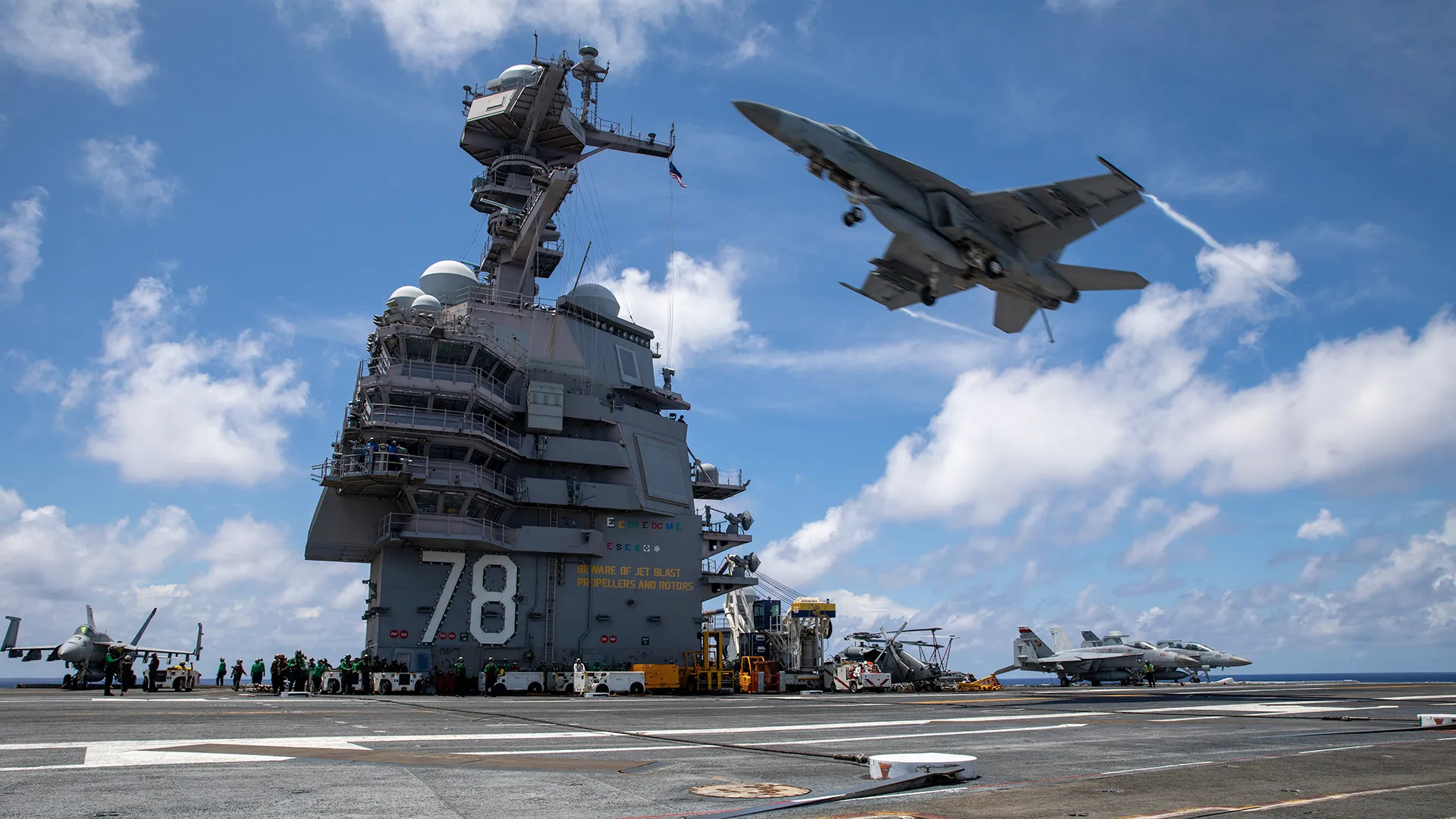

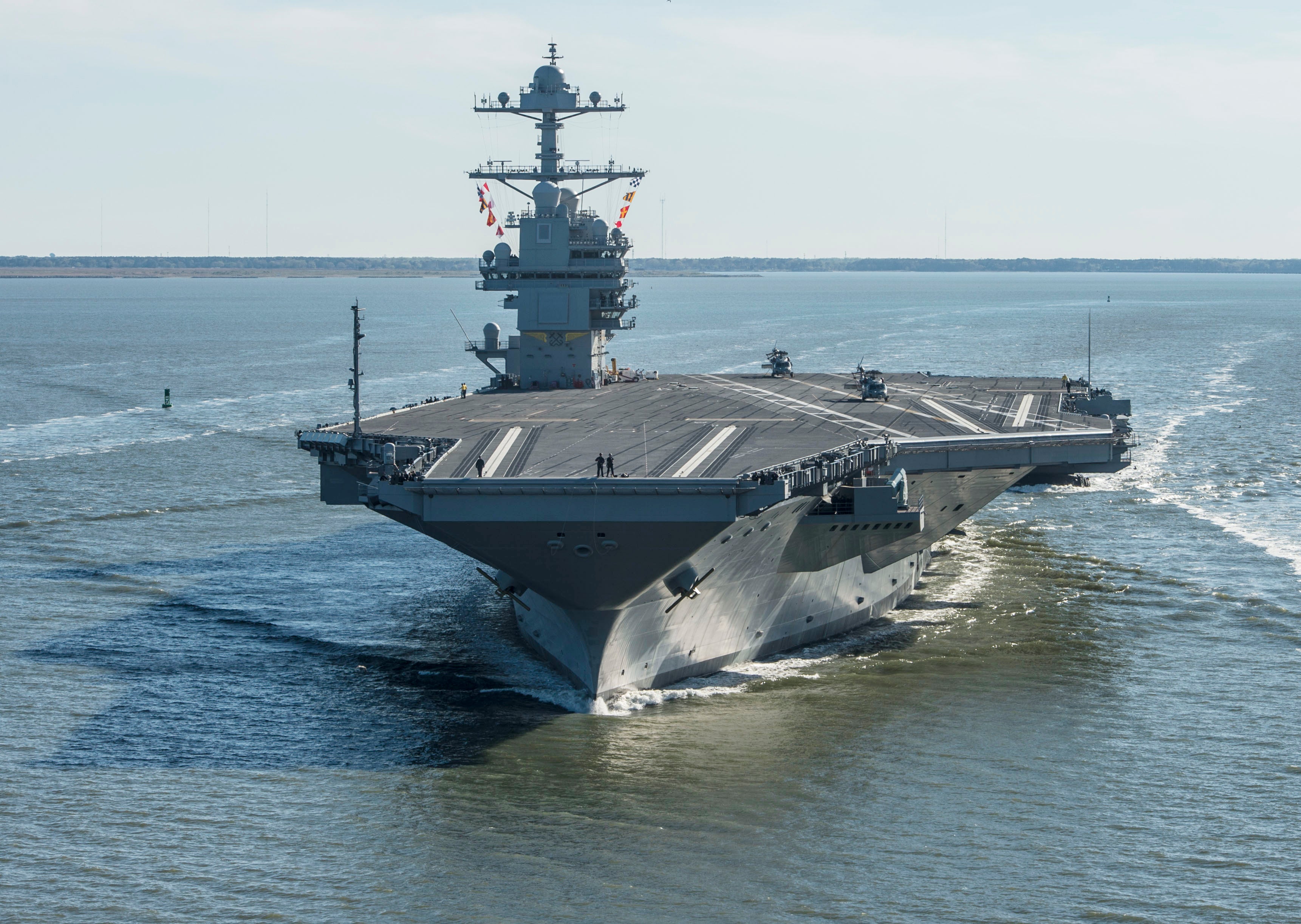
The USS Gerald R. Ford’s 2025-2026 deployment marked a pivotal moment for the U.S. Navy, showcasing the capabilities of its newest class of aircraft carriers under unprecedented operational stress. This historic mission, lasting 326 days, tested both cutting-edge technology and the enduring spirit of over 4,500 U.S. Navy personnel, setting a post-Vietnam record for carrier deployments.
Oscar Mike Radio recognizes the profound impact of such deployments on U.S. Military personnel and their families. This article delves into the unique challenges faced and the significant successes achieved by the Ford Carrier Strike Group, examining them through the Three-Sphere Deployment Reality framework: Technical Innovation, Human Endurance, and Strategic Impact.
This framework illustrates that successful carrier deployments are not solely about technological prowess or mission objectives; they are deeply intertwined with the human element and the broader geopolitical landscape. The Ford’s deployment offers critical lessons for future naval operations and the well-being of our service members.
Pre-Deployment Preparations and Crew Readiness
Before embarking on its record-setting journey, the USS Gerald R. Ford and its crew underwent rigorous pre-deployment preparations, a critical phase that laid the groundwork for their extended time at sea. These cycles honed both individual skills and collective operational proficiency.
- The crew completed extensive training cycles, including integrated exercises and certifications, to ensure readiness across all warfare areas.
- Sailors mastered new technologies such as the Electromagnetic Aircraft Launch System (EMALS) and Advanced Arresting Gear (AAG), which are central to the Ford-class design.
- Family readiness groups and support programs were activated to prepare loved ones for the extended separation, providing resources and communication channels.
- Logistical teams meticulously planned for an extended deployment, ensuring a steady supply chain for provisions, spare parts, and aircraft readiness.
Operational Challenges: Technology, Weather, and Mission Demands
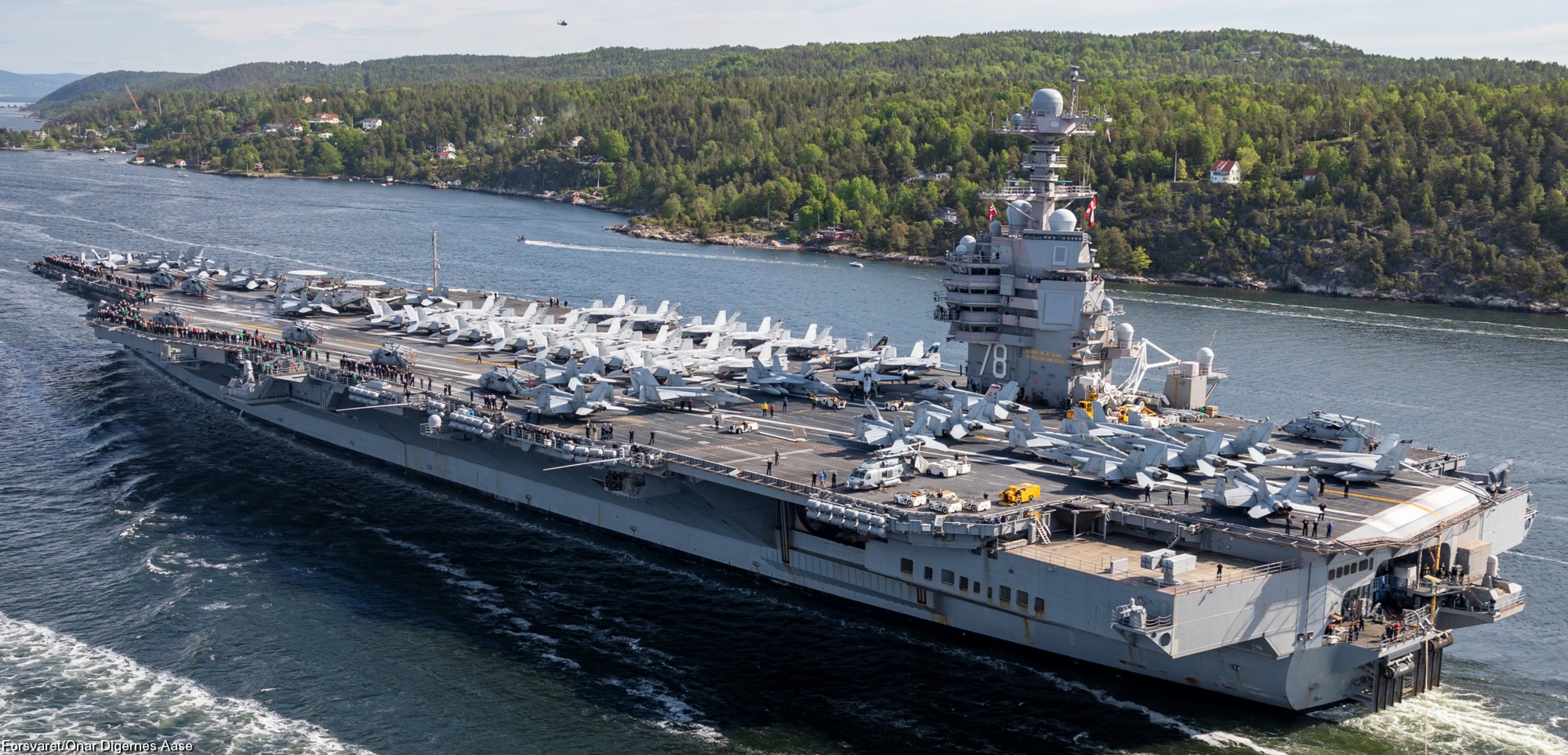
The USS Gerald R. Ford’s deployment was characterized by a demanding operational tempo and the inherent complexities of its advanced systems. These challenges required constant adaptation and ingenuity from the crew.
The Ford-class carriers incorporate revolutionary technologies like EMALS and AAG, designed to enhance efficiency and capability. However, these systems still presented reliability and maintainability challenges, as noted in the Director, Operational Test and Evaluation (DOT&E) reports for FY2025, which indicated they continued to adversely affect sortie generation and flight operations during initial operational test and evaluation. Explore Learn more.
Beyond technology, the crew contended with extreme weather conditions across diverse operating environments, from the Arctic Circle to the Mediterranean and Red Sea. The continuous high operational tempo and extended mission requirements, which stretched the deployment to nearly a year, placed immense pressure on the ship’s systems and personnel. Maintenance challenges while underway were constant, necessitating innovative engineering solutions to keep the ship fully mission-capable.
The table below highlights key differences in operational capabilities and crew experience between the Ford-class and legacy Nimitz-class carriers:
| Capability/Feature | USS Gerald R. Ford (Ford-Class) | Nimitz-Class Carriers | Impact on Deployment |
|---|---|---|---|
| Aircraft launch system and sortie generation rate | Electromagnetic Aircraft Launch System (EMALS); designed for higher sortie rates and wider aircraft compatibility. | Steam Catapults; proven, but with higher maintenance and less flexibility for future aircraft. | EMALS offers potential for increased operational efficiency, though reliability issues can temporarily limit full capability. |
| Crew size and manning requirements | Approximately 4,500-4,600 personnel; designed for reduced manning through automation. | Approximately 5,000-6,000 personnel. | Reduced crew size on Ford-class aims to lower operational costs and potentially improve quality of life, but places higher demands on individual sailors. |
| Advanced weapons elevator systems | Advanced Weapons Elevators (AWEs); electromagnetic, faster, and more efficient. | Cable and pulley hydraulic elevators; slower, more manpower-intensive. | AWEs significantly improve the speed and safety of ordnance movement, enhancing combat readiness. |
| Power generation and distribution capacity | A1B reactors; significantly higher electrical power generation. | A4W reactors; sufficient for current systems but with less growth potential. | Enhanced power capacity supports future technologies and robust combat systems without strain. |
| Maintenance requirements and downtime | Advanced systems require specialized maintenance; first-of-class issues contribute to initial downtime. | Well-established maintenance procedures; aging platforms require extensive overhauls. | Initial higher maintenance demands for new systems, but long-term goal is reduced maintenance footprint. |
| Crew living quarters and quality of life features | Improved berthing, fitness facilities, and digital connectivity (when available). | Traditional, often more cramped berthing and common areas. | Modern design aims to boost morale and retention, crucial during extended deployments. |
Daily Life and Hardships: The Human Experience at Sea
Life aboard the USS Gerald R. Ford during its 2025-2026 deployment was a testament to the resilience of the U.S. Navy sailor. Daily routines were meticulously structured, yet constantly interrupted by the demands of a high-tempo operational environment.
Sailors worked rotating watch bills, with continuous flight operations and maintenance cycles dictating a 24/7 schedule, not a typical 9-to-5. Meals were served across four periods to accommodate different shifts, and resources like fresh water were carefully managed, sometimes limiting showers to 10-liter quick showers to conserve supplies. This constant operational rhythm, often coupled with limited communication access during emissions-control periods, tested the mental fortitude of the crew.
The challenges of months at sea, away from family and familiar routines, inevitably impacted mental health. The Navy has expanded support systems, including embedded mental health professionals and digital resources like Headspace, to address these issues. Communication with families was a lifeline, though often sporadic, and dealing with missed milestones back home was a common hardship. The physical demands of carrier operations required consistent effort to maintain readiness, highlighting the extraordinary dedication of each U.S. Navy Veteran and active-duty service member.
Mission Successes and Strategic Achievements
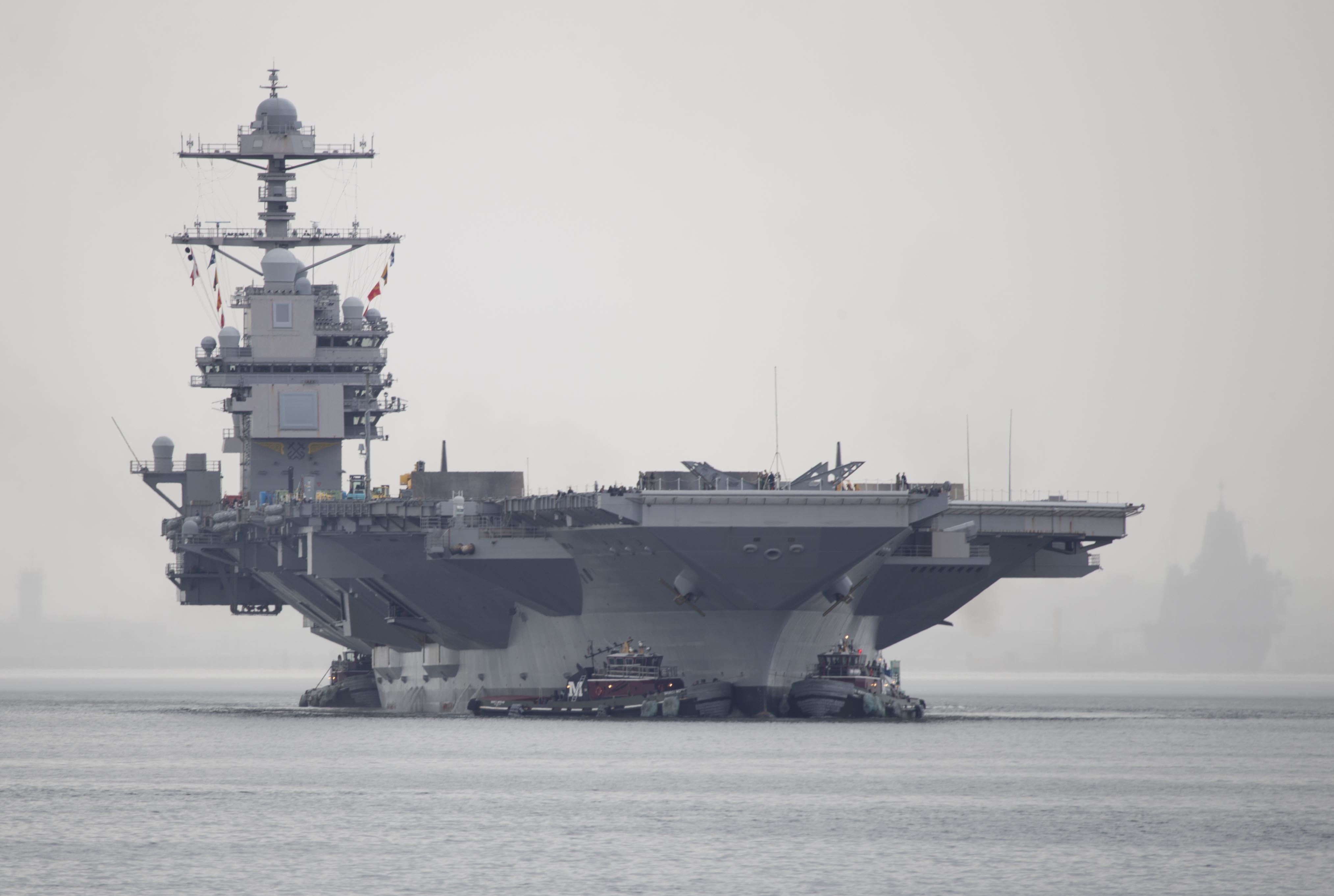
Despite the challenges, the USS Gerald R. Ford’s 2025-2026 deployment achieved significant strategic successes, affirming its role as a vital instrument of U.S. power projection. The carrier operated across the U.S. 2nd, 4th, 5th, and 6th Fleets, demonstrating remarkable flexibility and reach. Explore Learn more.
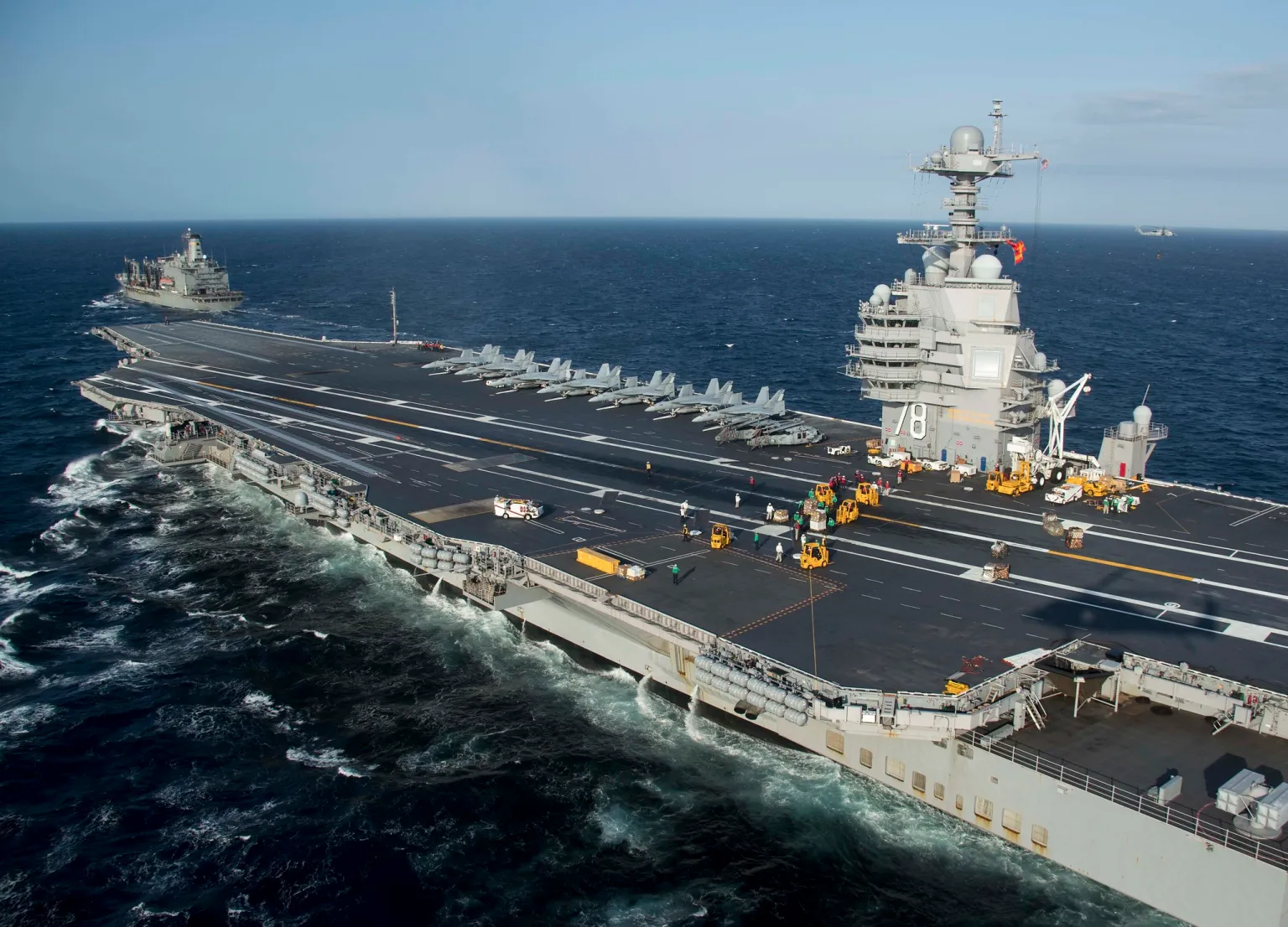
Key operations included participation in NATO’s Neptune Strike exercises, where the Ford sailed under NATO command, integrating with forces from 13 Allied nations. The carrier also supported operations against Iran in the Middle East and was involved in active combat operations in the Eastern Mediterranean as part of Operation Epic Fury. During its 326 days at sea, Carrier Air Wing 8 executed over 12,200 aircraft launches, logging more than 5,760 flight hours, a testament to its sustained combat readiness and deterrence capabilities.
The Ford Carrier Strike Group’s exceptional performance earned it the Presidential Unit Citation (PUC), the U.S. military’s highest collective unit award for extraordinary heroism in combat. This recognition, alongside 23 replenishments at sea and over 57,713 nautical miles sailed, underscored the strategic achievements of this historic deployment.
Leadership Lessons and Crew Resilience
Maintaining morale and operational effectiveness over a 326-day deployment required exceptional leadership and profound crew resilience. The ship’s leadership faced the continuous task of fostering cohesion among its 4,500+ sailors.
- Ship leadership prioritized open communication and transparent decision-making, helping the crew understand mission changes and extensions.
- Senior enlisted and officer personnel implemented mentorship programs, providing professional development and personal support to junior sailors.
- Team cohesion was strengthened through morale-boosting events, fitness challenges, and opportunities for cross-departmental collaboration.
- Examples of individual heroism and dedication were highlighted, reinforcing a sense of shared purpose and collective accomplishment.
These strategies ensured that even in the face of technical hiccups, a demanding operational tempo, and prolonged separation from home, the crew remained a highly effective fighting force. The deployment became a proving ground for the Ford-class and its crew, demonstrating that human endurance and leadership are as critical as technological advancement.
Homecoming and Deployment Legacy
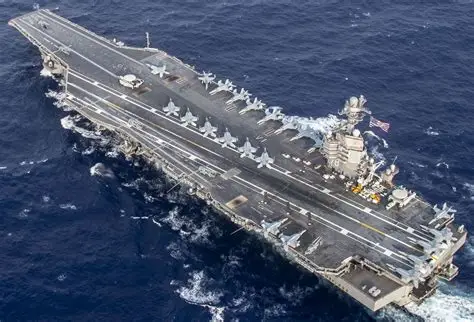
The return of the USS Gerald R. Ford to Naval Station Norfolk on May 16, 2026, was an emotional event, marking the end of a historic 326-day deployment. This homecoming was not just a reunion; it was a powerful affirmation of the crew’s dedication and the carrier’s capabilities.
This deployment unequivocally proved the Ford-class carrier’s ability to sustain operations under extreme conditions, validating its advanced systems despite earlier development challenges. It offered invaluable lessons that will shape future naval operations, particularly regarding extended deployments, multi-theater tasking, and the integration of new technologies. The experience gained will inform training, maintenance protocols, and personnel support systems for years to come. For the U.S. Navy Veterans who served on this deployment, the experience will undoubtedly impact their transition to civilian life, highlighting the unique skills and resilience they developed at sea.
Key Takeaways
- The USS Gerald R. Ford’s 2025-2026 deployment was a record-setting 326 days, the longest for a U.S. carrier since the Vietnam War.
- The deployment validated the Ford-class’s advanced systems like EMALS and AAG under operational stress, despite ongoing maintenance challenges.
- Crew resilience and strong leadership were crucial in maintaining morale and effectiveness during prolonged periods at sea and high operational tempo.
- The Ford Carrier Strike Group conducted multi-theater operations, including NATO exercises and combat support in the Middle East, earning a Presidential Unit Citation.
- Lessons learned from this deployment will significantly influence future U.S. Navy strategy, training, and support for service members and their families.
Conclusion: Honoring Service and Sacrifice
The USS Gerald R. Ford’s 2025-2026 deployment represents a landmark achievement for the U.S. Navy, demonstrating the cutting-edge capabilities of its newest aircraft carrier and the unwavering dedication of its personnel. This extended mission, spanning diverse and challenging operational areas, solidified the Ford-class’s role as a cornerstone of national security and global power projection. Explore Learn more.
The personal sacrifices made by the 4,500+ sailors and their families during this historic 326-day deployment cannot be overstated. Their resilience, professionalism, and commitment under extraordinary circumstances ensured mission success and upheld the highest standards of the U.S. Military. Oscar Mike Radio honors their service and acknowledges the profound impact such deployments have on the lives of our U.S. Navy Veterans and their loved ones. Their experience on the USS Gerald R. Ford will undoubtedly shape the future of naval operations and serve as a powerful testament to the strength of the American spirit at sea.
Frequently Asked Questions
How long was the USS Gerald R. Ford’s 2025-2026 deployment?
The USS Gerald R. Ford’s 2025-2026 deployment lasted an unprecedented 326 consecutive days, departing Naval Station Norfolk on June 24, 2025, and returning on May 16, 2026. This far exceeded the Navy’s typical six-month carrier rotation, setting a post-Vietnam record for U.S. aircraft carrier deployments, according to Military.com.
What challenges did the USS Gerald R. Ford face during its 2025-2026 deployment?
The USS Gerald R. Ford faced significant challenges, including technical issues with its advanced Electromagnetic Aircraft Launch System (EMALS) and Advanced Arresting Gear (AAG), which continued to affect flight operations. The crew also contended with extreme weather, high operational tempo across multiple theaters, and maintaining complex systems like the unique waste-handling network, which required frequent maintenance, as reported by NPR.
How many sailors serve on the USS Gerald R. Ford during deployment?
Approximately 4,500 to 4,600 sailors and personnel served on the USS Gerald R. Ford Carrier Strike Group during its 2025-2026 deployment, including the ship’s company and embarked air wing. This number represents a slightly reduced manning compared to older Nimitz-class carriers, owing to the Ford-class’s increased automation, according to Military.com. Explore Learn more.
What operations did the USS Gerald R. Ford conduct during the 2025-2026 deployment?
During its deployment, the USS Gerald R. Ford conducted a wide range of operations across the U.S. 2nd, 4th, 5th, and 6th Fleets, including participation in NATO’s Neptune Strike exercises where it operated under NATO command. The carrier also supported operations against Iran in the Middle East and engaged in active combat operations in the Eastern Mediterranean as part of Operation Epic Fury, per Army Recognition.
How does the USS Gerald R. Ford compare to older aircraft carriers?
The USS Gerald R. Ford, as a Ford-class carrier, represents a significant technological leap over older Nimitz-class carriers. It features advanced systems like EMALS and AAG for aircraft launch and recovery, and an A1B nuclear reactor plant providing significantly more electrical power. While designed for reduced manning, it has faced first-of-class technical challenges, contrasting with the Nimitz-class’s proven, but less advanced, systems, as detailed in the comparison table within this article.
What is daily life like for sailors on the USS Gerald R. Ford during deployment?
Daily life for sailors on the USS Gerald R. Ford during deployment is highly structured around a continuous operational tempo, with rotating watch bills, flight operations, maintenance, and drills. Sailors work in shifts, eat across multiple meal periods, and sleep in compact berthing racks. Resource conservation, like limited showers, is common, and communication with home can be sporadic, as reported in 19FortyFive.
How do sailors on the USS Gerald R. Ford communicate with family during deployment?
Sailors on the USS Gerald R. Ford communicate with family through various channels, including email, satellite phone calls, and internet access when available, though connectivity can be limited and intermittent. The Navy’s Fleet and Family Support Program provides deployment readiness resources and ombudsman support for families, aiming to maintain crucial connections and address family needs ashore, according to CNIC Fleet and Family Readiness. Explore Learn more.
What makes the USS Gerald R. Ford’s 2025-2026 deployment historically significant?
The USS Gerald R. Ford’s 2025-2026 deployment is historically significant because it was the longest U.S. aircraft carrier deployment since the Vietnam War, lasting 326 days, per Forces News. It marked the first extended operational test of the Ford-class’s advanced technologies under real-world conditions, demonstrating its multi-theater flexibility and combat readiness, and culminating in the award of the Presidential Unit Citation to the Carrier Strike Group.
What mental health support is available for USS Gerald R. Ford sailors during deployment?
The U.S. Navy provides robust mental health support for deployed sailors, including embedded licensed clinical counselors, psychologists, social workers, and chaplains aboard carriers. Programs like “1 Degree of Separation” and access to digital mindfulness tools such as Headspace are expanded, focusing on continuous assessment and proactive resilience-building to mitigate the psychological impact of long deployments, as outlined in the MyNavy HR Mental Health Playbook.
How did the USS Gerald R. Ford crew prepare for the 2025-2026 deployment?
The USS Gerald R. Ford crew prepared for its 2025-2026 deployment through extensive training cycles, including workup phases and integrated exercises designed to certify the entire strike group for global operations. This involved mastering new technologies, conducting rigorous flight deck certifications, and ensuring all personnel were proficient in their roles and emergency procedures, as detailed by DVIDS.
Key Terms Glossary
USS Gerald R. Ford (CVN-78): The lead ship of the Ford-class of U.S. Navy aircraft carriers, featuring advanced technologies and a redesigned operational layout. Explore Learn more.
Three-Sphere Deployment Reality: A framework analyzing carrier deployments through the interconnected lenses of Technical Innovation, Human Endurance, and Strategic Impact.
Electromagnetic Aircraft Launch System (EMALS): An advanced catapult system used on Ford-class carriers that uses electromagnetic force to launch aircraft, replacing traditional steam catapults.
Advanced Arresting Gear (AAG): A modern system for aircraft recovery on Ford-class carriers, utilizing a water-turbine-based energy absorption system for smoother, more controlled landings.
Presidential Unit Citation (PUC): The highest collective unit award in the U.S. military, bestowed for extraordinary heroism in combat against an armed enemy.
Operational Tempo: The rate at which military units conduct operations, often referring to the frequency and intensity of deployments and missions.
Fleet and Family Support Program (FFSP): A U.S. Navy program offering a wide range of services and resources to support sailors and their families, especially during deployments.
Planned Incremental Availability (PIA): A scheduled maintenance period for U.S. Navy ships, involving extensive repairs, modernization, and system upgrades.