

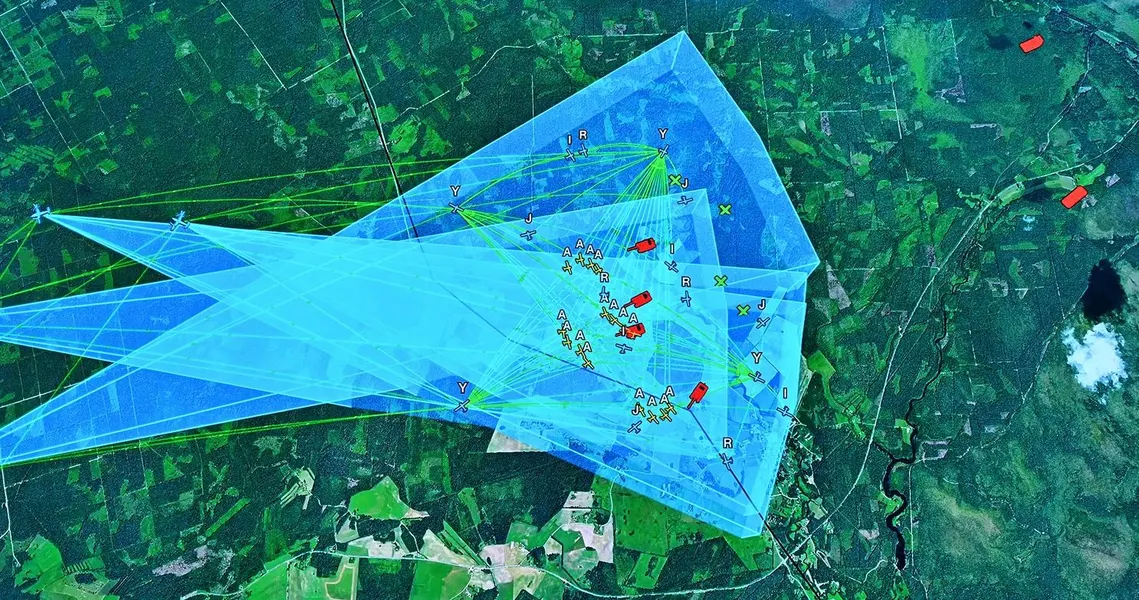

Artificial Intelligence has rapidly transitioned from theoretical concept to an indispensable component of modern warfare, fundamentally reshaping the operational landscape of the U.S. Military. Since 2024, AI’s adoption has accelerated across all branches, influencing everything from tactical systems to strategic command decisions.
For U.S. Veterans, active-duty service members, and defense contractors, understanding this AI revolution is not just about staying informed; it’s about identifying critical career paths and new business opportunities within the defense technology sector. This comprehensive guide, developed by Oscar Mike Radio, delves into the current state of AI integration, offering a unique framework to assess the maturity of AI capabilities across military branches.

The Military AI Maturity Model (MAMM)
Oscar Mike Radio introduces the Military AI Maturity Model (MAMM), a five-stage framework designed to evaluate the depth and breadth of AI integration within each U.S. military branch. This model provides a clear mental map for understanding current capabilities and forecasting future trends.
- Stage 1: Pilot Testing – Initial exploratory projects and limited prototypes.
- Stage 2: Tactical Integration – AI deployed in specific, localized applications with human oversight.
- Stage 3: Cross-Domain Augmentation – AI enhances decision-making and coordination across multiple operational domains (air, land, sea, cyber).
- Stage 4: Advanced Autonomous Systems – AI systems operate with significant autonomy under human supervision, often in high-risk environments.
- Stage 5: Fully Autonomous Multi-Domain Operations – AI orchestrates complex missions with minimal human intervention, representing the future of warfare.
AI-Powered Weapon Systems: Current Deployments Across Military Branches
The U.S. military is actively deploying AI across its weapon systems, with varying degrees of maturity across branches. These deployments demonstrate a clear move towards enhanced capabilities and decision-making speed.
The U.S. Department of Defense’s FY 2026 budget includes a dedicated AI/autonomy line item of $13.4 billion, marking a significant investment in these transformative technologies according to CDO Magazine. This funding is distributed across various platforms and initiatives.
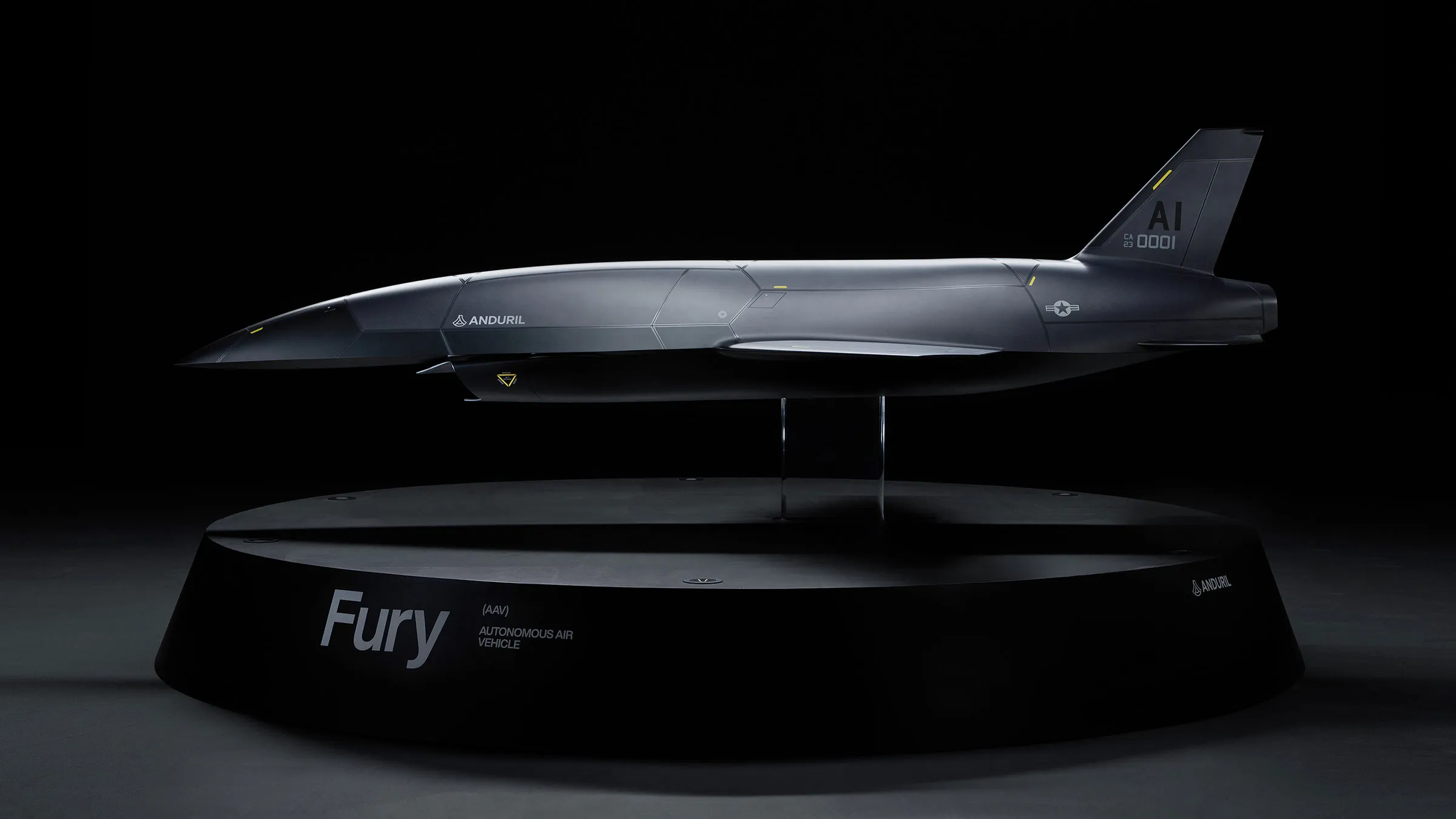
U.S. Air Force: Autonomous Drone Swarms and Project Viper Combat AI Systems (MAMM Stage 4)
The U.S. Air Force stands at MAMM Stage 4, showcasing advanced autonomous systems. Project VENOM (Viper Experimentation and Next-generation Operations Model), a joint effort with DARPA, is a prime example.
- Six F-16s were converted into autonomous test platforms, with the final F-16 arriving in April 2025 for modifications as reported by Sandboxx.
- By July 2026, DARPA and the Air Force successfully conducted the first AI-controlled F-16 flight, advancing autonomous air combat capabilities per DARPA.
- The Air Force’s broader Collaborative Combat Aircraft (CCA) program, which VENOM informs, aims for eventual use of autonomous wingmen alongside crewed fighters according to Defense News.
These initiatives highlight the Air Force’s commitment to building scalable autonomy infrastructure with a human-on-the-loop model for safety and trust.
U.S. Navy: AI-Assisted Targeting Systems on Arleigh Burke-Class Destroyers (MAMM Stage 3)
The U.S. Navy operates at MAMM Stage 3, with AI enhancing decision-making and coordination. The focus is on integrating AI-enabled sensing, targeting, and fire-control into existing combat systems like Aegis.
- A passive sensing and targeting system from L3Harris is slated for installation on an Arleigh Burke-class destroyer in 2027, integrating with the Aegis Combat System as detailed by Inside AI Policy.
- Lockheed Martin states that AI-enabled Aegis updates, which previously took weeks, can now be completed in hours, significantly reducing update and retuning time according to Lockheed Martin.
- DARPA’s Heimdall project uses AI/ML to improve target selection and accuracy for the Mk 45 five-inch gun, maintaining a human-in-the-loop approach and explicitly stating no intent for full autonomy per Military Aerospace.
These advancements focus on faster detection, fewer false alarms, and quicker system updates, improving the Navy’s ability to engage threats effectively.
U.S. Army: Project Convergence for Multi-Domain Battlefield Coordination (MAMM Stage 3)
The U.S. Army is also at MAMM Stage 3, actively using AI for cross-domain augmentation through Project Convergence. This initiative aims to link sensors and shooters across services and allies for faster decision-making.
- Project Convergence Capstone 5 (PC-C5) in 2025 expanded to the Indo-Pacific region, emphasizing joint all-domain command and control systems DefenseScoop reported.
- AI-driven tools like Firestorm have reduced the targeting cycle from hours to minutes, significantly accelerating battlefield response according to a Field Artillery article.
- By 2026, Project Convergence Capstone 6 focused on stress-testing the Next Generation Command and Control (NGC2) system, integrating over 90 technologies as noted by The Washington Times.
The Army’s efforts highlight a modular approach to AI integration, connecting sensors, communications, and targeting software across echelons for enhanced situational awareness.
U.S. Marine Corps: AI Applications in Amphibious Assault Planning and Logistics (MAMM Stage 2)
The U.S. Marine Corps, while integrating AI, is currently at MAMM Stage 2 (Tactical Integration). Their focus is on specific, localized applications with significant human oversight, primarily in logistics and planning.
- AI is being piloted to optimize amphibious assault planning, analyzing terrain data and enemy dispositions for more efficient force deployment.
- Logistics optimization leverages AI to predict supply chain needs and manage inventory, reducing waste and improving readiness in expeditionary environments.
- Early-stage AI tools are being developed for intelligence analysis specific to littoral operations, aiding in target identification and threat assessment.
The Marine Corps’ approach emphasizes improving existing operational workflows with AI, rather than developing fully autonomous systems for combat roles.
Oscar Mike Radio, through its platform, provides a unique space for U.S. Veterans to connect, share insights, and discuss these evolving technologies, fostering a community that can drive innovation in this sector.
AI Applications Across U.S. Military Branches: Capabilities Comparison 2026
This table compares how each military branch is deploying AI technology, showing the maturity level, primary use cases, budget allocation, and career opportunities for Veterans. It helps readers understand which branch leads in specific AI applications and where the most opportunities exist.
| Military Branch | Primary AI Use Cases | Maturity Level (1-5) | 2026 Budget ($M) | Veteran Career Opportunities |
|---|---|---|---|---|
| U.S. Air Force | Autonomous drone swarms, AI-controlled combat aircraft (Project VENOM), CCA development | 4 | ~415 (IT AI increase) | Autonomous Systems Operator, AI Flight Test Engineer, Data Scientist, Cybersecurity Specialist |
| U.S. Navy | AI-assisted targeting on destroyers, submarine hunting, sensor fusion, predictive maintenance | 3 | ~343 (IT AI increase) | AI Targeting System Analyst, Naval AI Engineer, Data Architect, Electronic Warfare Specialist |
| U.S. Army | Multi-domain battlefield coordination (Project Convergence), NGC2, logistics optimization, Firestorm targeting | 3 | ~507 (IT AI increase) | Battlefield AI Integrator, Logistics AI Specialist, Data Analyst, Network Engineer |
| U.S. Marine Corps | Amphibious assault planning, expeditionary logistics, tactical intelligence analysis | 2 | Integrated into broader IT budget | Logistics AI Analyst, Tactical AI Planner, Geospatial Intelligence Specialist, Systems Administrator |
| U.S. Space Force | Satellite imagery analysis, space domain awareness, threat tracking, orbital debris management | 3 | Integrated into broader IT budget | Space AI Analyst, Satellite Data Engineer, Orbital Mechanics AI Specialist, Cybersecurity Engineer |
| Defense Intelligence Agency | Advanced ISR, natural language processing for SIGINT, predictive threat assessment, anomaly detection | 4 | Integrated into broader IT budget | Intelligence AI Analyst, NLP Specialist, Threat Modeler, Data Fusion Engineer |

AI in Intelligence, Surveillance, and Reconnaissance (ISR)
AI’s impact on ISR capabilities is profound, transforming data processing and threat identification. AI systems can process vast amounts of data at speeds impossible for human analysts.
The Department of Defense plans to leverage AI for predictive analysis and to secure Indo-Pacific Command networks as reported by DefenseScoop. This strategic focus underscores AI’s role in proactive defense. Explore Learn more.
How AI Processes Satellite Imagery 1000x Faster Than Human Analysts
AI algorithms can analyze satellite imagery with unprecedented speed and scale, identifying patterns and anomalies that human analysts might miss. This capability is critical for maintaining situational awareness in dynamic environments.
- AI systems can rapidly scan images for changes in infrastructure, troop movements, or missile silo construction according to Fox News.
- Object detection and classification models enhance the speed and accuracy of identifying military assets and activities.
- Automated change detection significantly reduces the time from image acquisition to actionable intelligence.
This processing power enables military intelligence to maintain a continuous, high-resolution view of potential adversary activities.
Natural Language Processing for Signals Intelligence and Communication Intercepts
Natural Language Processing (NLP) is revolutionizing signals intelligence (SIGINT) by rapidly analyzing intercepted communications. NLP algorithms can parse, translate, and extract key information from massive datasets of voice and text.
- AI systems identify keywords, sentiment, and speaker intent from vast streams of intercepted data.
- Cross-referencing communication patterns with other intelligence sources enhances the overall analytical picture.
- This capability significantly reduces the time needed to turn raw intercepts into actionable intelligence for commanders.
The ability to quickly synthesize information from diverse communication channels provides a critical advantage in understanding adversary intentions.
Predictive Analytics for Threat Assessment and Enemy Movement Forecasting
AI-powered predictive analytics enable military planners to forecast threat assessments and anticipate enemy movements. By analyzing historical data, current intelligence, and environmental factors, AI models generate probabilities for future events.
- AI predicts potential areas of conflict or adversary aggression based on complex data patterns.
- Forecasting enemy logistics and supply chain vulnerabilities allows for more effective interdiction strategies.
- This capability enhances proactive defensive measures and strategic positioning of forces.
Admiral Samuel Paparo, Commander of U.S. Indo-Pacific Command, emphasized that AI systems enhance fidelity and speed, allowing personnel to focus on complex decision-making requiring human judgment according to The AI Insider.
AI War-Gaming Simulations at U.S. Military Command Centers
AI-powered war-gaming simulations are becoming indispensable tools at U.S. military command centers. These simulations allow strategists to test various scenarios and evaluate potential outcomes with greater fidelity and speed than traditional methods.
- AI models simulate complex battlefield dynamics, including troop movements, logistics, and enemy responses.
- Commanders can assess the effectiveness of different strategies and tactics in a virtual environment before real-world deployment.
- These simulations help identify unforeseen risks and optimize resource allocation for future conflicts.
The ability to run numerous permutations of a conflict scenario rapidly provides invaluable insights for strategic planning.
How Pentagon Strategists Use AI for Scenario Planning and Risk Assessment
Pentagon strategists employ AI for sophisticated scenario planning and comprehensive risk assessment. AI algorithms analyze vast datasets to identify patterns, predict adversary reactions, and evaluate the potential impact of various decisions.
- AI assists in developing robust contingency plans by modeling multiple adversary courses of action.
- Risk assessment is enhanced by AI’s ability to quantify probabilities and potential consequences of strategic choices.
- This allows for a more data-driven approach to high-stakes strategic decisions, reducing uncertainty.
The human-AI collaboration model ensures that commanders retain ultimate decision-making authority, leveraging AI for enhanced insight.
AI’s Role in Logistics Optimization: Supply Chain Predictions Saving Billions
AI is playing a crucial role in optimizing military logistics, particularly in supply chain management. Predictive analytics, driven by AI, can anticipate demands, identify bottlenecks, and streamline distribution, potentially saving billions.
- AI forecasts equipment and supply needs based on operational tempo, historical data, and environmental factors.
- Optimized routing and inventory management reduce transit times and minimize waste.
- Early identification of potential supply chain disruptions allows for proactive mitigation strategies.
Efficient logistics, powered by AI, directly translates to improved readiness and reduced operational costs across all branches.
For U.S. Veterans looking to contribute to these critical areas, understanding AI’s strategic applications is key. Oscar Mike Radio often features discussions with experts who shed light on these evolving fields, such as in our special presentation with the Marine Corps University Foundation here. Explore Learn more.
Ethical Considerations and Rules of Engagement
The rapid advancement of AI in military applications necessitates careful consideration of ethical implications and the establishment of clear rules of engagement. The Department of Defense (DoD) has been proactive in addressing these complex issues.
The DoD adopted five ethical principles for Artificial Intelligence in 2020: Responsible, Equitable, Traceable, Reliable, and Governable as stated by the Department of War. These principles guide the development and deployment of military AI.
Department of Defense AI Ethics Principles Established 2023-2024
The DoD’s AI ethics framework, formalized in 2020 and further elaborated through 2024, serves as the bedrock for responsible AI deployment. These principles emphasize human values and oversight.
- Responsible: Personnel must exercise appropriate levels of judgment and care, with clear accountability.
- Equitable: AI systems must be designed to minimize unintended bias and provide fair outcomes.
- Traceable: AI processes, data sources, and design methodologies must be understandable and auditable.
- Reliable: AI capabilities must have explicit uses, with testing for safety, security, and effectiveness across their lifecycle.
- Governable: AI systems must be capable of being detected, prevented, and deactivated if exhibiting unintended behavior.
A 2026 follow-up evaluation indicates ongoing oversight and review of AI policy implementation as per Military Aerospace.
As of September 2026, there is no globally binding treaty on autonomous weapon systems, though UN-backed talks have produced a non-binding text Reuters reported.
How AI Bias and Algorithmic Transparency Affect Military Decision-Making
AI bias and algorithmic transparency are significant concerns in military decision-making. Biases embedded in training data can lead to unfair or inaccurate outcomes, while a lack of transparency makes it difficult to understand why an AI system made a particular recommendation.
- The “Equitable” principle directly addresses minimizing bias in AI capabilities.
- The “Traceable” principle mandates understandable processes and data sources to ensure transparency.
- Addressing bias is crucial to maintaining trust in AI systems and ensuring their ethical deployment in sensitive military operations.
The DoD is actively working to mitigate these risks through rigorous testing and adherence to its ethical framework.
Career Opportunities for Veterans in Military AI
The integration of AI into the U.S. Military is creating a burgeoning demand for skilled professionals, presenting significant career opportunities for Veterans. Their military experience, combined with specialized AI training, makes them highly competitive in this sector.
The 2026 market shows active demand for cleared AI talent in defense, with multiple openings requiring Secret or TS/SCI clearances according to Haystack. Veterans with existing clearances have a distinct advantage.
High-Demand Roles: AI Systems Operators, Data Analysts, Cybersecurity Specialists
Several roles are experiencing high demand within the military AI and defense tech sector. These positions leverage both technical skills and the unique operational understanding often gained through military service.
- AI Systems Operators: Manage and monitor autonomous systems, ensuring proper functioning and human oversight.
- Data Analysts: Interpret vast datasets generated by AI systems, extracting actionable intelligence for commanders.
- Cybersecurity Specialists: Protect AI infrastructure from cyber threats, ensuring the integrity and reliability of critical systems.
- AI/ML Engineers: Develop, deploy, and maintain AI/machine learning models for various defense applications.
These roles require a blend of technical expertise and an understanding of military operational contexts.
How Veterans Can Transition Military Experience into Defense AI Contractor Positions
Veterans possess invaluable skills such as leadership, problem-solving under pressure, and mission-oriented focus, which are highly transferable to defense AI contractor roles. Combining these with targeted AI training creates a powerful profile.
- Military experience in command and control, logistics, or intelligence directly translates to AI program management and deployment roles.
- Existing security clearances (Secret, TS/SCI) are a major asset, as defense contractors prioritize cleared personnel per AI Career Pivot.
- Networking within the defense industry and leveraging veteran-focused job platforms can open doors to specific opportunities.
Oscar Mike Radio connects Veterans with resources and insights to navigate this transition effectively.
Veteran-Owned Businesses Winning AI Integration Contracts with DoD
Veteran-owned businesses (VOBs), particularly Service-Disabled Veteran-Owned Small Businesses (SDVOSBs), are increasingly securing AI integration contracts with the DoD. Government set-aside programs facilitate this access.
- EPSILON, Inc., an SDVOSB, secured a $23.4 million task order for the DoD’s Advana enterprise data and AI platform in 2025 as reported by Orange Slices AI.
- Network Designs, Inc. (an SDVOSB) was selected for the Army’s AI Talent 2.0 Basic Ordering Agreement, with a potential cumulative value up to $249 million according to NDi.
- These examples demonstrate that VOBs are winning mission-critical AI infrastructure and development work.
The DoD is actively seeking partnerships with qualified vendors to advance its AI capabilities, making it a fertile ground for VOBs Learn more.
Training Programs and Certifications Veterans Should Pursue for AI Defense Careers
To succeed in military AI, Veterans should pursue specific training programs and certifications that align with defense industry needs. These include technical skills and certifications recognized by the DoD.
- The VA’s VET TEC 2.0 program includes an AI and Machine Learning Pathway, with a capacity of 4,000 paid participants per fiscal year per the VA.
- Siemens’ Expedite for Vets program aims to enroll 5,000 military personnel and Veterans in free industry-recognized credentials for AI and digitalization as stated by Siemens.
- Google offers a no-cost, three-week virtual Generative AI training and certification program for Veterans per Google Cloud.
These programs provide practical skills and credentials that are highly valued in the defense AI job market.
Key Takeaways
- AI is rapidly transforming U.S. military operations from weapons systems to strategic planning, with significant budget allocation in FY2026.
- The Military AI Maturity Model (MAMM) places the Air Force at Stage 4, and the Navy, Army, and Space Force at Stage 3, indicating varied levels of autonomous capability.
- AI significantly enhances Intelligence, Surveillance, and Reconnaissance (ISR) by accelerating data processing, improving threat detection, and enabling predictive analytics.
- Ethical considerations and human oversight remain central to DoD AI policy, despite a shift towards operational readiness in recent strategy updates.
- Veterans have unique advantages in the defense AI sector due to their experience and security clearances, with increasing opportunities in high-demand roles and for veteran-owned businesses.
- Specialized training programs and certifications are crucial for Veterans transitioning into military AI careers, with several free and VA-approved options available.
Conclusion: The Future of AI in U.S. Military Operations
The integration of AI into the U.S. Military is not merely an enhancement; it is a fundamental shift in how conflicts are conceived, planned, and executed. From autonomous drone swarms in the U.S. Air Force to AI-assisted targeting on U.S. Navy destroyers and multi-domain coordination in the U.S. Army, AI is redefining military capabilities and accelerating decision cycles.
For U.S. Veterans, this transformation represents a dynamic landscape of career and business opportunities. By understanding the Military AI Maturity Model and focusing on high-demand skills and certifications, Veterans can effectively transition their invaluable experience into the rapidly expanding defense AI sector. Staying informed through platforms like Oscar Mike Radio provides a crucial advantage in navigating this evolving domain.
Frequently Asked Questions
What AI systems is the U.S. Military currently using in combat operations?
The U.S. Military currently uses AI in autonomous drone swarms for the Air Force, AI-assisted targeting systems on Navy destroyers, and multi-domain battlefield coordination tools like Project Convergence for the Army. Real operational data from 2025-2026 exercises demonstrates AI’s role in enhancing speed and accuracy in these deployments.
How much is the Department of Defense spending on AI integration in 2026?
The Department of Defense has allocated $13.4 billion as a dedicated AI/autonomy line item in its FY 2026 budget, marking a significant increase from previous years. This funding is primarily directed towards unmanned aerial vehicles ($9.4 billion), maritime autonomous systems ($1.7 billion), and autonomy software integration ($1.2 billion).
Can AI make kill decisions without human approval in the U.S. Military?
No, current DoD policy requires human oversight for lethal force, maintaining a “human-in-the-loop” approach for all autonomous lethal weapon systems. The DoD’s ethical framework, established through 2024, emphasizes human accountability and judgment, with AI primarily acting as a decision-support tool.
What jobs are available for Veterans in military AI and defense tech?
High-demand roles for Veterans in military AI and defense tech include AI systems operators, data analysts, cybersecurity specialists, and AI/ML engineers. Many positions require active security clearances (Secret, TS/SCI), and typical contractor salaries can range from $95K to $240K depending on experience.
How is AI used in military strategic planning and war games?
AI is used in military strategic planning to power war-gaming simulations at command centers, enabling strategists to model complex scenarios and assess risks with greater speed and detail. AI also optimizes logistics and supply chain predictions, providing data-driven insights for resource allocation and contingency planning.
Which U.S. Military branch is most advanced in AI integration?
Based on Oscar Mike Radio’s Military AI Maturity Model (MAMM), the U.S. Air Force is currently at Stage 4 with its advanced autonomous systems like Project VENOM, demonstrating significant autonomy. The U.S. Navy and Army are at Stage 3, focusing on cross-domain augmentation and enhanced decision-making.
What certifications do Veterans need to work in military AI?
Veterans pursuing military AI careers should consider certifications in AI/Machine Learning, data science, and cybersecurity. Programs like the VA’s VET TEC 2.0 AI/ML Pathway, Siemens’ Expedite for Vets, and Google’s Generative AI certification offer relevant, often free, training with industry-recognized credentials. Explore Learn more.
How does military AI integration create opportunities for veteran-owned businesses?
Military AI integration creates opportunities for veteran-owned businesses through DoD contracting, especially via Service-Disabled Veteran-Owned Small Business (SDVOSB) set-asides and large Basic Ordering Agreements (BOAs). These contracts involve developing and integrating AI solutions for enterprise data platforms, logistics, and specialized military applications.
What are the biggest ethical concerns about AI in military operations?
The biggest ethical concerns include algorithmic bias leading to unfair outcomes, the debate over autonomous lethal weapons and human oversight, and accountability for AI-driven decisions. The DoD addresses these through its “Responsible AI” principles, focusing on traceability, reliability, and governability of AI systems.
Is AI replacing human soldiers in the U.S. Military?
No, AI is primarily augmenting human soldiers rather than replacing them in the U.S. Military. AI enhances human capabilities by providing faster data analysis, improved situational awareness, and decision support, allowing personnel to focus on complex tasks requiring human judgment and ethical reasoning. Future projections indicate increased human-AI collaboration rather than full replacement.
Key Terms Glossary
Artificial Intelligence (AI): The simulation of human intelligence processes by machines, especially computer systems, encompassing learning, reasoning, and self-correction.
Autonomous Lethal Systems (ALS): Weapon systems that, once activated, can select and engage targets without further human intervention.
Project Convergence: A U.S. Army initiative designed to integrate sensors, shooters, and AI across multiple domains for faster decision-making and joint operations.
Project VENOM: The U.S. Air Force and DARPA program converting F-16s into autonomous-capable test platforms to advance AI-controlled combat aircraft.
Intelligence, Surveillance, and Reconnaissance (ISR): The coordinated and integrated acquisition and exploitation of information and associated processing to provide timely, accurate, and relevant intelligence.
Natural Language Processing (NLP): A branch of AI that enables computers to understand, interpret, and generate human language.
Service-Disabled Veteran-Owned Small Business (SDVOSB): A small business concern that is at least 51% owned and controlled by one or more service-disabled veterans.
Military AI Maturity Model (MAMM): Oscar Mike Radio’s five-stage framework assessing the depth and breadth of AI integration within U.S. military branches, from pilot testing to fully autonomous operations.