

The United States military has, over decades, experienced a series of accidents involving nuclear weapons, incidents officially classified as Broken Arrows. These events represent severe mishaps, ranging from accidental jettisoning to near-detonations, and have profoundly shaped modern nuclear security protocols. Understanding these incidents provides crucial insight for U.S. Veterans, defense policy advocates, and history enthusiasts into the enduring challenges of nuclear stewardship.
The U.S. military uses a specific classification system for nuclear incidents to differentiate between varying levels of severity and risk. A Broken Arrow is defined as an unexpected event involving nuclear weapons or radiological nuclear weapon components that results in accidental/unauthorized launch, nuclear detonation, non-nuclear detonation or burning, radioactive contamination, jettisoning, or public hazard as detailed by Air & Space Forces Magazine. Officially, the U.S. government has acknowledged 32 Broken Arrow incidents between 1950 and 1980 per a declassified National Security Archive document. These incidents, while not leading to nuclear war, highlight the constant vigilance required in handling the world’s most dangerous weapons.
Incident #1: The 1958 Tybee Island B-47 Collision
The 1958 Tybee Island incident involved a mid-air collision off the coast of Georgia, resulting in the loss of a nuclear weapon that remains unrecovered. On February 5, 1958, a U.S. Air Force B-47 bomber carrying a Mark 15 hydrogen bomb collided with an F-86 fighter jet during a training mission according to the Arms Control Center. The military announced the search unsuccessful on April 16, 1958, and the bomb is officially considered “irretrievably lost” per a People magazine report.
- Human Error Factor: Mid-air collision due to human judgment and operational complexity during training.
- Mechanical Failure: The B-47 sustained significant damage from the collision, necessitating the jettison.
- Weather/Environmental Conditions: The coastal waters of Wassaw Sound, characterized by shifting sands and strong currents, made recovery exceptionally difficult.
- Recovery Complexity Score: 9/10 (High difficulty due to underwater location, depth, and sediment).
- Policy Change Triggered: Increased scrutiny on flight training procedures, particularly for nuclear-armed aircraft.
A 2001 hydrographic assessment concluded the bomb was likely buried under 5 to 15 feet of silt and mud, with the Air Force determining that leaving it undisturbed posed no threat, but recovery could create a serious explosion hazard Popular Mechanics highlighted. The weapon, though missing its nuclear capsule, still contains conventional explosives that could detonate.
Incident #2: The 1961 Goldsboro B-52 Crash
The 1961 Goldsboro incident in North Carolina stands as one of the most alarming near-catastrophes in U.S. nuclear history, with a B-52 crash bringing two thermonuclear bombs dangerously close to detonation. On January 24, 1961, a B-52G bomber carrying two Mark 39 hydrogen bombs broke apart in mid-air over Faro, North Carolina as detailed in a declassified National Security Archive report. Each bomb had a yield of about 4 megatons, roughly 250 times the destructive power of the Hiroshima bomb Popular Mechanics noted.
- Human Error Factor: While the aircraft failure was mechanical, the implications for human-machine interface in safety design were profound.
- Mechanical Failure: Structural failure of the B-52G in flight; critical safety interlocks on one bomb failed sequentially.
- Weather/Environmental Conditions: Not a primary factor in the crash, but the impact environment triggered weapon arming sequences.
- Recovery Complexity Score: 7/10 (Complex due to partial weapon arming and buried components).
- Policy Change Triggered: Fundamental redesign of nuclear weapon safety features, emphasizing multiple independent safety barriers and “one-point safety” standards.
Recovery efforts successfully secured the weapons, though parts of one bomb, including its secondary stage, remain buried 180 feet underground in a waterlogged field due to recovery difficulties the Arms Control Center states. This incident drastically reshaped nuclear safety protocols, leading to the development of more robust, multi-layered safety mechanisms for all U.S. nuclear weapons.
Incident #3: The 1966 Palomares Incident
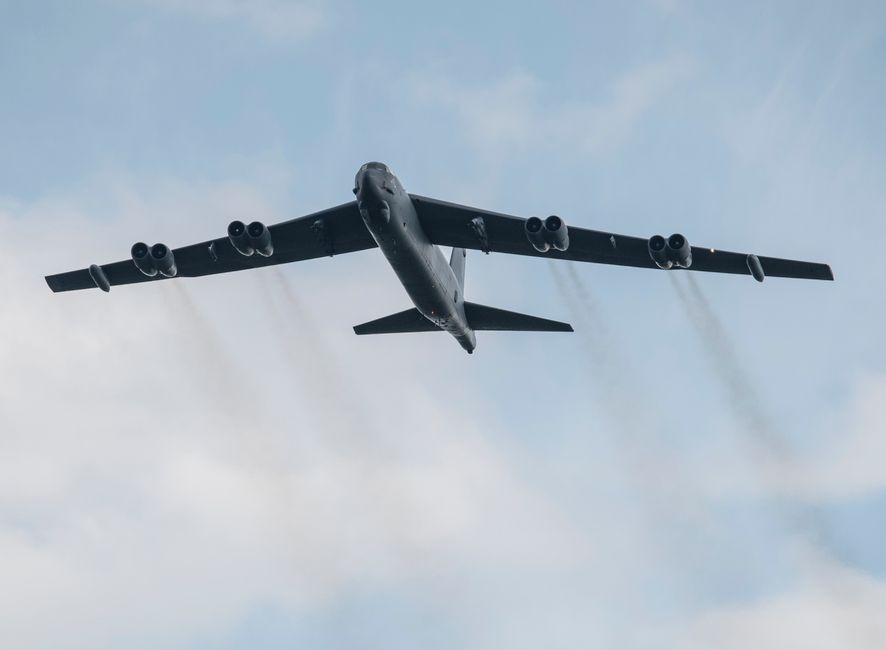
The Palomares incident in 1966 was a severe accident involving a mid-air collision over Spain that scattered four hydrogen bombs, leading to extensive cleanup and diplomatic repercussions. On January 17, 1966, a U.S. Air Force B-52 bomber collided with a KC-135 tanker aircraft during an aerial refueling operation over Palomares, Spain the BBC reported. The search for the lost bombs was an enormous undertaking, involving 3,000 Navy personnel and sophisticated submersible vehicles like the Alvin, lasting 80 days until the final bomb was located and recovered from a depth of 2,850 feet The Guardian detailed.
- Human Error Factor: Refueling error during a routine airborne alert mission.
- Mechanical Failure: Aircraft structural failure post-collision.
- Weather/Environmental Conditions: Not a primary cause, but the Mediterranean Sea’s depth and currents complicated underwater recovery.
- Recovery Complexity Score: 10/10 (Extremely complex, involving land decontamination and deep-sea recovery).
- Policy Change Triggered: Review of airborne alert procedures, refined plutonium contamination response, and long-term diplomatic agreements for cleanup responsibility.
The cleanup operation was extensive, with contaminated soil shipped back to the U.S. for storage. Diplomatic fallout lingered for decades, culminating in a 2015 agreement between Spain and the U.S. to negotiate a binding deal for further cleanup and soil transfer, with estimated costs for the full project reaching €640 million
The 1968 Thule Air Base crash involved a B-52 bomber carrying four thermonuclear weapons that crashed and burned on the sea ice near Thule, Greenland, leading to widespread plutonium contamination. On January 21, 1968, a U.S. Air Force B-52G bomber caught fire and crashed about seven miles southwest of Thule Air Base according to a USAF report. Over nine months, approximately 700 specialized personnel worked to remove contaminated ice, snow, and debris, collecting more than 550,000 gallons of contaminated liquid as documented by OSTI.gov. Despite these efforts, one of the four B28 weapons, specifically its secondary stage, was never fully recovered and is believed to remain on the ocean floor, deeply embedded in the sediment the National Security Archive indicates. The estimated cost of Project Crested Ice was $9.4 million in 1968, roughly $87 million in 2025 dollars. Beyond these high-profile events, several other Broken Arrow incidents underscore the inherent risks of nuclear weapons operations during the Cold War. These incidents, while varied in nature, collectively contributed to the evolution of nuclear safety protocols. These incidents, along with the major cases, illustrate a consistent pattern of human error, mechanical failure, and environmental challenges. Each event added another layer of understanding to the complexities of nuclear weapons management. The table below provides a concise comparison of five significant U.S. nuclear weapon accidents, highlighting their locations, the types of weapons involved, their recovery status, and the key impacts each incident had on policy and safety.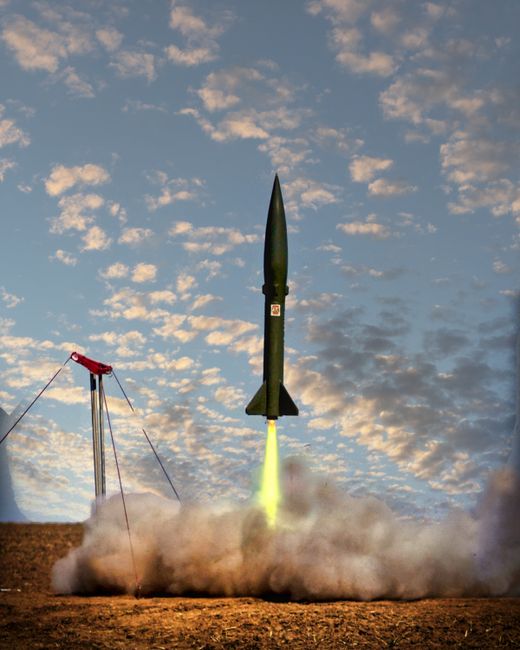
Incident #4: The 1968 Thule Air Base Crash
Additional Broken Arrow Incidents
| Incident | Year | Location | Weapons Involved | Recovery Status | Key Impact |
|---|---|---|---|---|---|
| Tybee Island B-47 Collision | 1958 | Off Tybee Island, Georgia, USA | 1 Mark 15 H-bomb | Lost, unrecovered | Revised jettison protocols, ongoing environmental monitoring. |
| Goldsboro B-52 Crash | 1961 | Faro, North Carolina, USA | 2 Mark 39 H-bombs | One recovered, one partially buried. | Major overhaul of nuclear weapon safety interlocks. |
| Palomares B-52 Collision | 1966 | Palomares, Spain | 4 B28 H-bombs | 3 recovered, 1 recovered after extensive search. | Extensive land/sea cleanup, long-term diplomatic issues, changes to airborne alert. |
| Thule Air Base Crash | 1968 | Thule Air Base, Greenland | 4 B28 H-bombs | 3 recovered, 1 secondary stage unrecovered. | Ended continuous airborne alert, cold-region radiological cleanup protocols. |
| Mars Bluff Accidental Drop | 1958 | Mars Bluff, South Carolina, USA | 1 Mark 6 nuclear bomb (without fissile core) | Recovered (conventional explosives detonated). | Focus on weapon arming procedures during transport, civilian impact awareness. |
The Human Cost and Military Response
The Broken Arrow incidents carried significant human costs, affecting both the aircrews involved and the military personnel tasked with recovery. Many aircrews perished in these accidents, and those involved in recovery operations often faced long-term health challenges. U.S. Veterans who participated in these cleanups were sometimes exposed to radiation, leading to concerns about increased cancer risks and other health issues decades later as noted by VA Public Health for Palomares.
These accidents served as catalysts for profound changes in nuclear weapon safety protocols. The near-detonation in Goldsboro, for instance, spurred a fundamental redesign of weapon safety mechanisms, moving towards more redundant and fail-safe designs according to the Federation of American Scientists. The Palomares incident highlighted the complexities of radiological contamination and led to improved international cooperation frameworks for cleanup efforts.
- Casualties: Numerous aircrew lives lost in the crashes.
- Health Impacts: Recovery personnel faced risks of radiation exposure, with potential long-term effects like cancer and psychological trauma per U.S. Army medical guidance.
- Policy Evolution: Incidents led to the cessation of continuous airborne alert missions, particularly after the Thule crash.
- Operational Changes: Strategic Air Command (SAC) procedures were overhauled to minimize accident risks during transport and maintenance.
- Training: Enhanced training for nuclear weapons handling, transport, and emergency response became standard.
The experiences of U.S. Marine Corps, Army Veteran, Navy Veteran, and Air Force Veteran personnel in these recovery operations have been invaluable in shaping today’s nuclear security doctrine. Their sacrifices and the lessons learned are critical for Oscar Mike Radio, ensuring we understand the historical context of modern defense policy.
Lessons for Modern Nuclear Security
The legacy of America’s Broken Arrows continues to inform modern nuclear security doctrine, emphasizing vigilance and continuous improvement. Today, the U.S. military operates with significantly enhanced safety standards for nuclear weapons, with a stated goal of achieving no more than one in a billion probability of premature detonation per weapon lifetime according to an OSTI.gov paper. The U.S. Air Force Safety Center proudly notes zero Broken Arrows in the post-Cold War era as stated by the Air Force Safety Center.
The known lost weapons, such as the Tybee Island bomb and the unrecovered secondary stage from Thule, are continuously monitored, though official assessments suggest they pose minimal immediate risk due to their design and environmental conditions the Arms Control Center confirms. However, the theoretical risks of proliferation or environmental contamination remain a long-term concern for defense policy advocates. The U.S. military has dramatically reduced its nuclear stockpile, from a peak of 31,255 warheads in 1967 to 3,748 in September 2023 per the Federation of American Scientists.
- Enhanced Safety Systems: Modern weapons incorporate multiple, independent safety interlocks, designed to fail safe under extreme conditions.
- Strict Transport Protocols: Nuclear weapons transport is heavily regulated, prioritizing minimal movement and positive custody control as per DoD directives.
- Transparency and Accountability: Increased, though still selective, transparency in nuclear operations helps build public trust and informs policy debates.
- International Cooperation: Lessons from incidents like Palomares have fostered better international agreements for cross-border radiological emergencies.
- Continuous Training: Regular training and exercises ensure personnel are prepared for any contingency, however unlikely.
U.S. Veterans, particularly those from the Army, Navy, U.S. Marine Corps, and U.S. Air Force who served during the Cold War, bring invaluable firsthand experience to these discussions. Their perspectives are crucial for guiding future nuclear security policies and ensuring the lessons of the past are never forgotten. Oscar Mike Radio often features such veteran insights, bridging historical understanding with current defense strategy.

Key Takeaways
- Broken Arrow incidents are U.S. military code for serious accidents involving nuclear weapons, distinct from other nuclear mishaps.
- At least 32 Broken Arrow incidents occurred between 1950 and 1980, significantly shaping nuclear safety policies.
- Major incidents like Tybee Island, Goldsboro, Palomares, and Thule revealed critical vulnerabilities in design, operations, and recovery.
- The Goldsboro incident saw a nuclear bomb come within one switch of detonation, leading to a complete overhaul of weapon safety mechanisms.
- Cleanup costs for incidents like Palomares were substantial, involving complex international diplomatic and environmental efforts.
- Modern nuclear security emphasizes layered “surety” standards, engineered fail-safes, and strict procedural controls, leading to zero Broken Arrows in the post-Cold War era.
- The human cost of these incidents, including casualties and long-term health impacts on Veterans, underscores the importance of ongoing vigilance.
Conclusion
America’s history with Broken Arrows serves as a stark reminder of the immense challenges and inherent risks associated with nuclear weapons. From the lost bomb off Tybee Island to the near-detonation in Goldsboro and the extensive cleanup at Palomares, each incident has contributed to a profound evolution in nuclear safety and security protocols. These events, though often shrouded in secrecy for decades, highlight the continuous efforts required to prevent catastrophic accidents and protect both military personnel and civilian populations.
The lessons learned from these “broken arrows” have directly influenced the robust nuclear surety standards and operational procedures in place today, ensuring that modern U.S. nuclear forces operate with unparalleled safety. For U.S. Military Veterans and defense policy advocates, understanding this history is not merely an academic exercise; it is fundamental to appreciating the vigilance, sacrifice, and continuous innovation that underpins global nuclear stability.
Frequently Asked Questions
What does Broken Arrow mean in military terms?
A Broken Arrow is the U.S. military code for an accident involving nuclear weapons or their components that results in outcomes such as accidental launch, non-nuclear detonation, contamination, or jettisoning per a declassified National Security Archive document. While many weapons were recovered, at least six remain unrecovered, including the Mark 15 H-bomb off Tybee Island and a secondary stage from a B28 bomb near Thule Air Base.
Is the Tybee Island nuclear bomb still missing?
Yes, the Mark 15 hydrogen bomb jettisoned off Tybee Island, Georgia, in 1958 remains lost and unrecovered according to the Arms Control Center. Recovery is challenging due to the bomb being buried under feet of silt and mud, and authorities have assessed that leaving it undisturbed is safer than attempting recovery. Explore Learn more.
How close did the Goldsboro bomb come to exploding?
One of the two Mark 39 hydrogen bombs involved in the 1961 Goldsboro crash came extremely close to detonation, with five of its six safety interlocks failing a declassified National Security Archive report revealed. Only a single low-voltage switch prevented a full nuclear explosion, which would have had a yield of about 4 megatons, roughly 250 times that of the Hiroshima bomb.
What happened during the Palomares incident in Spain?
In 1966, a U.S. B-52 bomber collided with a tanker over Palomares, Spain, scattering four hydrogen bombs Learn more.
Are there still nuclear weapons on the ocean floor?
Yes, at least two U.S. nuclear weapons or significant components remain unrecovered on the ocean floor: the Mark 15 bomb off Tybee Island and a secondary stage from a B28 bomb near Thule Air Base the National Security Archive confirmed. They haven’t been retrieved due to the extreme difficulty and potential risks of recovery, and are assessed to pose minimal current danger.
What safety changes resulted from Broken Arrow incidents?
Broken Arrow incidents led to significant safety improvements, including the overhaul of nuclear weapon design with multiple independent safety interlocks, termination of continuous airborne alert missions, and enhanced protocols for nuclear weapon transport and handling according to the Federation of American Scientists. These changes formed the basis of modern nuclear surety standards. Explore Learn more.
Were any civilians killed in Broken Arrow incidents?
While most Broken Arrow incidents resulted in military casualties, the 1958 Mars Bluff incident saw six civilians injured when an accidentally dropped nuclear bomb’s conventional explosives detonated as noted by MIT. Long-term health impacts from plutonium contamination, such as in Palomares and Thule, also posed risks to local populations and recovery personnel.
How much did Broken Arrow cleanups cost?
Cleanup costs varied significantly; for example, the 1968 Thule Air Base cleanup, Project Crested Ice, cost an estimated $9.4 million in 1968 dollars, roughly $87 million in 2025 dollars per a USAF report. The Palomares cleanup’s full projected cost in 2015 was about €640 million Learn more.
Could a lost nuclear weapon still detonate today?
Spontaneous nuclear detonation of a lost weapon is virtually impossible due to inherent weapon design safeguards that prevent accidental nuclear yield. While conventional explosives within a lost weapon could degrade over decades and potentially detonate, leading to plutonium dispersal, a nuclear explosion requires specific, complex arming sequences that would not occur spontaneously an OSTI.gov paper explains.
Key Terms Glossary
Broken Arrow: A U.S. military classification for an accident involving a nuclear weapon that does not create the risk of nuclear war but includes events like loss, theft, accidental detonation, or contamination. Explore Learn more.
Empty Quiver: A U.S. military classification for the seizure, theft, or loss of a functioning nuclear weapon or component.
Bent Spear: A U.S. military classification for a significant nuclear weapon incident that is less severe than a Broken Arrow.
Nuclear Surety: The overarching U.S. Department of Defense program designed to ensure the safety, security, and control of nuclear weapons.
Mark 15: A type of U.S. thermonuclear bomb, one of which was lost during the 1958 Tybee Island incident.
Mark 39: A type of U.S. thermonuclear bomb, two of which were involved in the near-detonation during the 1961 Goldsboro B-52 crash.
Project Crested Ice: The extensive U.S.-Danish recovery and cleanup operation following the 1968 B-52 crash near Thule Air Base, Greenland.
One-Point Safety: A design principle for nuclear weapons ensuring that a conventional explosive initiation at a single point will not produce a nuclear yield above a specified threshold.