
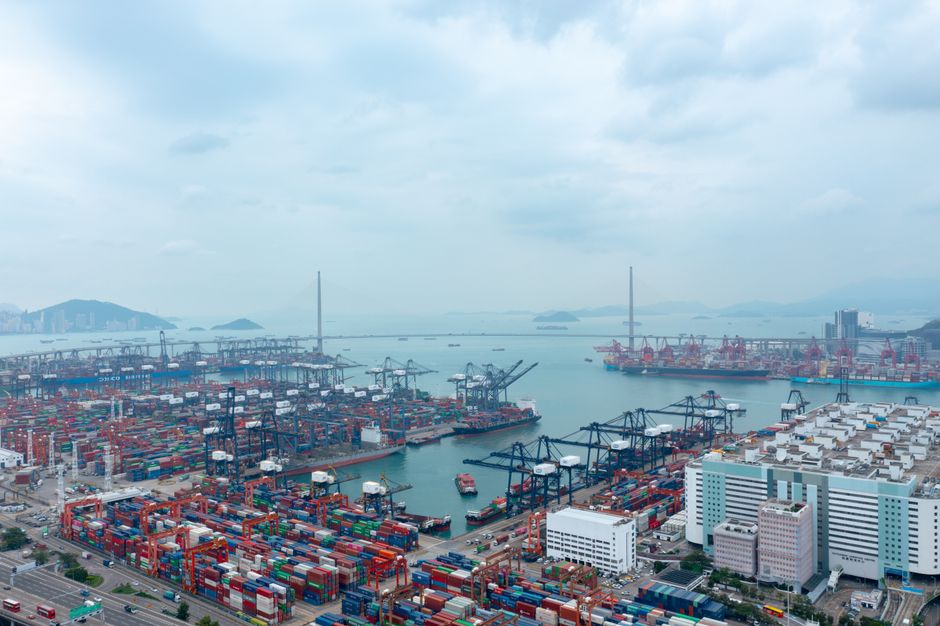

The unexpected rerouting of F-35 Lightning II components to Hong Kong has triggered significant alarm within national security circles and the defense industry. This incident highlights critical vulnerabilities in the complex global military supply chain, raising questions about readiness and the integrity of sensitive defense technology.
This article will dissect the incident’s timeline, explore the geopolitical implications, and introduce the Three Failure Points Framework to analyze how such a breach can occur. We will examine the systemic breakdowns in contractor verification, logistics routing, and DoD oversight that allowed this diversion, offering insights for U.S. Military Veterans, defense professionals, and concerned citizens alike.
What Happened: Timeline of the F-35 Components Diversion
In 2026, a shipment of unserviceable F-35 Lightning II components, intended for repairs in the United States, was unexpectedly diverted to Hong Kong during transit from Australia. This incident was first publicly reported on September 18, 2026, according to Politico.
The Pentagon’s F-35 Joint Program Office confirmed it was “aware of a shipment issue” involving “unserviceable F-35 Lightning II components,” though specific parts were not publicly named. Media reports, however, suggested that at least one canopy may have been included, a detail that, if confirmed, would raise significant concerns due to its association with stealth technology.
- The components were being shipped from Australia to the U.S. for routine repairs.
- The diversion occurred during transit, with the shipment ending up in Hong Kong.
- Discovery was made by U.S. authorities, prompting immediate investigation by the Pentagon and Congress.
- Australia’s Defence Minister stated the parts were “not sensitive,” while confirming their own investigation.
As of late September 2026, the Pentagon has stated it is actively working to retrieve the components, investigate the incident, and implement safeguards to prevent future occurrences per TBS News.
The F-35 Supply Chain: How Military Components Move
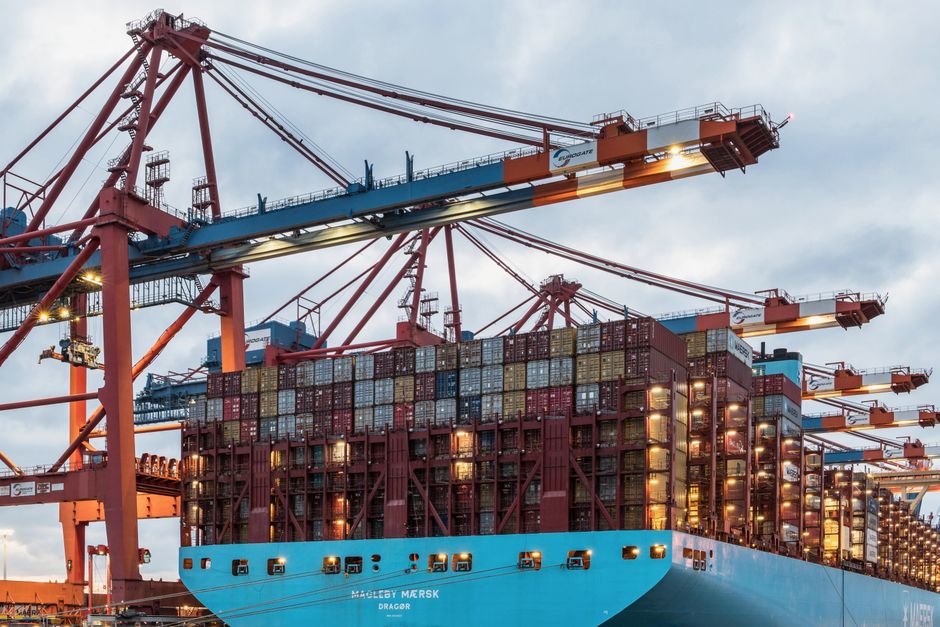
The F-35 Lightning II program operates one of the most extensive and complex global supply chains in defense, encompassing over 1,900 U.S. suppliers and spanning more than 50 facilities across 17+ nations. This intricate network relies on a combination of prime contractors, subcontractors, and commercial logistics providers to manage the flow of parts, from manufacturing to maintenance and repair.
Standard protocols for shipping sensitive military components typically involve strict chain-of-custody documentation, detailed routing controls, and robust verification systems at every handoff. However, GAO assessments in June 2026 reported that the Pentagon still lacked an accurate and complete inventory of F-35 parts and insufficient controls to verify their existence and completeness.
- Lockheed Martin manages a global spare-parts pool, utilizing commercial logistics providers for transport between operators and repair facilities as highlighted by Politico.
- Existing safeguards include tracking custody, verifying routing, and auditing third-party logistics.
- The F-35 program’s sustainment model relies heavily on centralized U.S.-managed logistics and contractor-operated maintenance.
This dependence creates both security controls and concentration risks, making incidents like the Hong Kong diversion particularly concerning. The program’s logistics stack is currently undergoing modernization, with hardware replacements complete and software upgrades underway per Air & Space Forces.

Why Hong Kong: Geopolitical Context and Security Concerns
The diversion of F-35 components to Hong Kong raises significant geopolitical and security concerns due to the city’s current political status and its relationship with mainland China. Since the imposition of the National Security Law in 2020, Hong Kong’s autonomy has eroded, leading to increased U.S. scrutiny of technology transfers through the region. Explore Learn more.
The U.S. terminated Hong Kong’s special trade status, now treating many sensitive exports to Hong Kong similarly to those destined for mainland China as detailed by Cambridge University Press. This shift intensifies concerns about potential technology transfer or intelligence gathering if U.S. military components pass through its jurisdiction, even if “unserviceable.”
- Hong Kong’s national security environment has tightened, with amended implementation rules in March 2026 expanding investigative powers.
- The city remains a critical transshipment hub, increasing its relevance for reexport and diversion risks of military and dual-use technology.
- U.S. policy since 2020 mandates treating Hong Kong as a high-compliance jurisdiction for strategic commodities.
Historically, China has pursued illicit acquisition of U.S. military technology through various means, including espionage, cyber theft, and supply-chain infiltration according to ABC News. While Australian officials stated the F-35 components were “not sensitive,” the possibility of even unserviceable parts providing insights into design or materials poses a risk.
Comparison Table: Military Supply Chain Security Verification Methods
Effective military supply chain security relies on a layered approach to verification. The following table compares various methods employed to protect sensitive components during transit, illustrating their utility in preventing incidents like the F-35 diversion.
| Verification Method | Security Level | Implementation Cost | Effectiveness Rating | Best Use Case |
|---|---|---|---|---|
| End-to-End GPS Tracking with Tamper Alerts | High | Medium | Excellent | High-value, time-sensitive shipments; real-time anomaly detection |
| Blockchain-Based Chain of Custody | Very High | High | Excellent | Ensuring immutable record of ownership and handling across multiple parties |
| Physical Security Escorts | Very High | Very High | Excellent | Classified or mission-critical components; high-threat environments |
| Trusted Carrier Certification Programs | Medium-High | Low-Medium | Good | Standardized security across commercial logistics partners |
| Real-Time Manifest Verification Systems | High | Medium | Very Good | Immediate detection of routing discrepancies and unauthorized changes |
| Geofencing and Route Deviation Alerts | High | Low-Medium | Very Good | Monitoring compliance with predefined routes; preventing unauthorized diversions |
Immediate Consequences and Response Actions
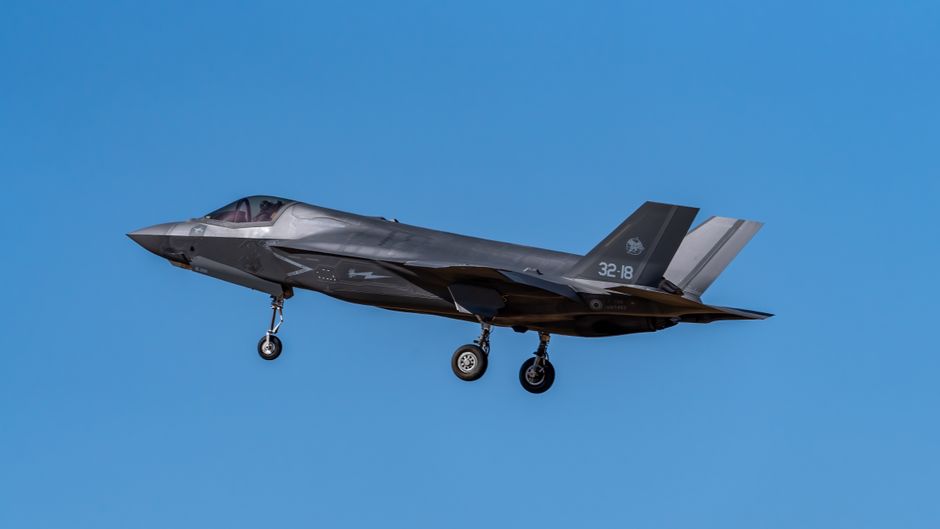
The F-35 components diversion triggered an immediate and robust response from the U.S. Department of Defense (DoD) and its allies. The Pentagon’s F-35 Joint Program Office quickly launched an investigation, working with U.S. authorities and industry partners to retrieve the components and understand the cause of the incident as confirmed by CNN.
U.S. agencies, including potentially the Defense Counterintelligence and Security Agency (DCSA), are likely involved, given DCSA’s mandate to protect the Defense Industrial Base (DIB) and mitigate foreign ownership, control, or influence (FOCI) risks, per the SCMP.
- The Pentagon is actively working to retrieve the components and investigate the incident according to the Washington Examiner.
- Investigations involve multiple U.S. and Australian agencies.
- The incident could lead to contractor accountability measures and potential penalties, especially if existing protocols were violated.
While the immediate impact on F-35 program operations and delivery schedules remains unclear, any disruption to the supply chain for such a critical platform can affect military readiness. The DoD IG noted in December 2025 that the F-35 JPO did not consistently hold contractors accountable for sustainment performance, including material inspection and government property reporting requirements, a finding that adds context to the current situation from an audit report.
Oscar Mike Radio understands that for U.S. Veterans and defense professionals, these events underscore the constant vigilance required to maintain a secure and effective defense posture. We believe that transparency and accountability are paramount in these situations.

Long-Term Implications for Defense Supply Chains
This F-35 incident exposes vulnerabilities in military logistics that demand systemic changes. The long-term implications for defense supply chains point towards a future with enhanced security measures and stricter accountability for contractors. Explore Learn more.
The DoD is already moving towards tighter sourcing restrictions and requiring broad supply-chain mapping from prime contractors and subcontractors at every tier, as mandated by a July 2026 executive order. This shift aims to reduce reliance on waivers and proactively ensure the provenance of critical materials and components.
- New policies will emphasize end-to-end traceability and supplier due diligence.
- Contractors will face increased scrutiny and potentially revised contracts with “meaningful incentives and penalties” for performance and security per Federal News Network.
- The incident highlights the need for continuous monitoring and real-time visibility across complex, multi-tiered supply networks.
The trust between the DoD and defense contractors is built on reliable delivery and secure handling of sensitive assets. Incidents like this can erode that trust, prompting the DoD to implement more stringent oversight and contractual obligations. The F-35 program chief has acknowledged the fleet has “outgrown its support system,” driving a “Global Support Solution Reset” to improve sustainment.
Future weapons systems will undoubtedly incorporate lessons from this event, with an even greater emphasis on cyber-physical security, supply chain resilience, and the reduction of single points of failure. The goal is to make logistics less predictable to adversaries and more robust against both accidental and malicious disruptions as noted by Gen. Randall Reed, commander of U.S. Transportation Command.
Lessons for Veterans and the Defense Community
For U.S. Veterans, especially those who served in logistics, intelligence, or aviation roles, the F-35 parts diversion is more than a news story; it’s a stark reminder of the fragile link between industrial processes and national security. Military readiness hinges on the uninterrupted flow of critical components, and any breach directly impacts the safety and effectiveness of active-duty service members.
Oscar Mike Radio champions the integrity of the defense supply chain because we understand that compromised logistics can degrade combat capabilities and put lives at risk. This incident underscores the importance of stringent oversight from those who know the system best—our Veterans.
- Veterans possess invaluable firsthand experience in understanding the vulnerabilities and critical nodes within military logistics.
- Incidents like this affect not only current operations but also the long-term strategic advantage of the U.S. Military.
- Veterans can play a crucial role in advocating for stronger policies and greater accountability in defense procurement and supply chain management.
Staying informed and engaged is vital. Organizations like Oscar Mike Radio provide platforms for U.S. Veterans to connect, share insights, and advocate for the robust defense systems our nation needs. Understanding these issues empowers the veteran community to contribute meaningfully to national security discussions and influence policy decisions.
We encourage U.S. Marine Corps Veterans, Army Veterans, Navy Veterans, and U.S. Air Force Veterans to leverage their expertise to scrutinize defense contracts and logistics processes. Your unique perspective is essential for ensuring that such incidents are not repeated and that our military remains the best-equipped force in the world. Explore Learn more.
Oscar Mike Radio remains committed to bringing these critical discussions to the forefront for our community. Our mission is to empower Veterans with information and a platform to engage on issues that matter.
Key Takeaways
- The F-35 components diversion to Hong Kong in 2026 exposed significant vulnerabilities in the global military supply chain.
- The incident points to potential failures in contractor verification, logistics routing, and DoD oversight mechanisms.
- Hong Kong’s geopolitical status and China’s historical pursuit of military technology raise concerns about intelligence gathering.
- The DoD is responding with investigations, efforts to retrieve components, and plans for enhanced supply chain security measures.
- Long-term implications include stricter contractor accountability, mandated supply-chain mapping, and increased focus on resilience for future weapons systems.
- U.S. Veterans are uniquely positioned to advocate for and contribute to stronger defense supply chain integrity due to their direct experience.
Conclusion: Moving Forward with Stronger Safeguards
The unauthorized diversion of F-35 Lightning II components to Hong Kong serves as a critical wake-up call, underscoring the indispensable role of robust supply chain security in modern warfare. This incident transcends a simple logistics error; it highlights systemic vulnerabilities across the defense industrial base that demand immediate and sustained attention.
For the U.S. Military and its allies, ensuring the integrity of every component, from its origin to its deployment, is not merely a bureaucratic task—it is a foundational element of national security and military readiness. The ongoing investigations and policy adjustments signal a necessary, albeit reactive, shift towards more resilient and transparent defense logistics.
Oscar Mike Radio believes that by fostering greater awareness and empowering the Veteran community, we can collectively push for the accountability and advanced safeguards required to prevent future breaches. The lessons learned from this incident must solidify a commitment to unwavering vigilance and continuous improvement in defense procurement, protecting both our technological edge and the lives of those who serve. Explore Learn more.
Frequently Asked Questions
What F-35 components were rerouted to Hong Kong and how sensitive were they?
The rerouted components were described by the Pentagon’s F-35 Joint Program Office as “unserviceable F-35 Lightning II components,” with some reports indicating that a canopy might have been among them. While Australian officials stated they were “not sensitive,” any F-35 part, even unserviceable, can carry implications for stealth technology or design information, raising national security concerns.
How did F-35 parts end up in Hong Kong instead of their intended destination?
The exact cause of the diversion is under investigation, but it reportedly involved an intermediary transporting items on behalf of Lockheed Martin. This suggests a potential breakdown in logistics carrier routing systems or subcontractor verification protocols, leading to an unauthorized change of destination during transit from Australia to the United States.
Is this the first time U.S. military components have been diverted to unauthorized locations?
No, this is not the first time U.S. military technology has faced unauthorized access or diversion. Historically, China has acquired U.S. military and dual-use technology through means like espionage, cyber theft, and export-control violations, as documented by various reports, including the Cox Committee’s findings on classified information acquisition.
What security measures should have prevented F-35 components from being rerouted?
Existing security measures that should have prevented the rerouting include strict chain-of-custody documentation, real-time manifest verification, end-to-end GPS tracking with tamper alerts, and robust auditing of third-party logistics providers. The incident suggests failures in these verification methods or their enforcement. Explore Learn more.
Could China have gained access to F-35 technology through this incident?
While Australian officials assert the parts were not sensitive, the possibility of China gaining access to F-35 technology remains a significant concern, especially if components like a canopy were involved. Even unserviceable parts can provide insights into materials, manufacturing processes, or design characteristics relevant to stealth technology, prompting a U.S. congressional probe.
What consequences are defense contractors facing for this security breach?
The Department of Defense is likely to pursue contractor accountability measures, which could include revised contracts with “meaningful incentives and penalties,” stricter oversight, and potential financial repercussions. A DoD IG audit in December 2025 already highlighted inadequate oversight of contractor performance on F-35 sustainment, setting a precedent for increased scrutiny.
How does this incident affect the F-35 program and military readiness?
This incident could impact the F-35 program by delaying repairs, increasing operational costs, and potentially eroding trust among international partners. Any disruption to the supply chain for a critical platform like the F-35 can degrade military readiness by limiting the availability of aircraft for training and operations, as recognized by the F-35 program chief.
What changes is the Department of Defense making to prevent future diversions?
The DoD is implementing enhanced security protocols, including a July 2026 executive order requiring all prime contractors and subcontractors to map critical supply chains from raw materials to end-use products. These changes aim to improve traceability, reduce reliance on waivers, and integrate cybersecurity with supply chain security across all tiers. Explore Learn more.
Why should U.S. Veterans care about military supply chain security?
U.S. Veterans should care about military supply chain security because it directly impacts national security, military readiness, and the safety of active-duty service members. Their firsthand experience in military operations provides invaluable insight into how supply chain vulnerabilities can compromise missions and endanger personnel.
How can Veterans and citizens stay informed about defense supply chain issues?
Veterans and citizens can stay informed by following defense news outlets, engaging with advocacy groups, and supporting platforms like Oscar Mike Radio that focus on military and national security topics. Participating in discussions and providing expert insights can contribute to greater accountability and stronger defense policies.
Key Terms Glossary
F-35 Lightning II: A family of single-seat, single-engine, all-weather stealth multirole combat aircraft developed by Lockheed Martin.
Supply Chain Integrity: The assurance that a product or system is free from unauthorized modifications or tampering throughout its lifecycle.
National Security Law (Hong Kong): A comprehensive law imposed by Beijing in 2020 that significantly altered Hong Kong’s legal and political landscape, raising concerns about autonomy and freedom.
Unserviceable Components: Parts that are no longer fit for use in their current condition and require repair or disposal.
Chain of Custody: The chronological documentation or paper trail showing the seizure, custody, control, transfer, analysis, and disposition of physical or electronic evidence.
Defense Industrial Base (DIB): The worldwide industrial complex that enables research and development, as well as design, production, delivery, and maintenance of military weapons systems, subsystems, and components for the global defense of the United United States and its allies.
Counterintelligence: Activities conducted by intelligence agencies to protect their own intelligence programs from penetration and disruption by foreign intelligence services.
Geofencing: A virtual geographic boundary defined by GPS or RFID technology, which triggers a response when a mobile device enters or leaves a particular area.