

A growing number of U.S. Military Veterans are transitioning from service to the unexpected world of beekeeping. This trend offers a unique blend of therapeutic benefits, entrepreneurial opportunities, and a renewed sense of purpose for those who have served.
Beekeeping provides a structured, mission-focused activity that resonates deeply with the disciplined background of service members, offering a powerful pathway for post-service integration and well-being.
The HIVE Framework: A Veteran’s Beekeeping Journey
The HIVE Framework illustrates why beekeeping uniquely addresses the multifaceted challenges U.S. Veterans face during their transition to civilian life. This framework outlines four critical phases: Healing, Identity, Vocation, and Engagement, each directly correlating to how beekeeping can facilitate a successful and meaningful post-service experience.
- Healing: Beekeeping offers profound therapeutic benefits for mental health, particularly for managing PTSD and anxiety.
- Identity: The structured nature of hive management provides a new sense of mission and purpose, echoing military discipline.
- Vocation: Beekeeping presents viable entrepreneurial pathways, from honey production to pollination services.
- Engagement: It fosters community building and social connection, reducing isolation and promoting peer support.
How Beekeeping Supports Veteran Mental Health
Beekeeping offers significant therapeutic benefits for U.S. Veterans, particularly for those managing post-traumatic stress disorder (PTSD) and anxiety. A 2023 quality improvement project at the Manchester VA Medical Center reported significant improvements in mobility, anxiety/depression, and overall health among participating Veterans, according to research published in the Therapeutic Recreation Journal.
The focused attention required for hive management cultivates mindfulness, grounding Veterans in the present moment and reducing intrusive thoughts. Army Veteran Vickie Williams noted, “Once the working bees are out pollinating, they’re pretty much harmless… I don’t have to swat them away anymore,” highlighting a shift in perspective and reduced hypervigilance in a VA News report.
- Mindfulness and focus: Managing a hive demands intense concentration, drawing attention away from past traumas and into the present.
- Reduced anxiety: The rhythmic, calm movements required around bees can lower stress levels and induce a meditative state.
- Outdoor exposure: Spending time outdoors and connecting with nature has documented benefits for mental well-being and stress reduction.
- Sense of calm: The gentle hum of a healthy hive and the structured routine contribute to a peaceful, predictable environment.
Programs like HIVES (Honeybee Initiative for Veterans Empowerment and Support) integrate yoga, guided imagery, and mindfulness directly into beekeeping activities to address PTSD, anxiety, and social isolation as part of VA health care initiatives.
Why Hive Management Appeals to Veterans
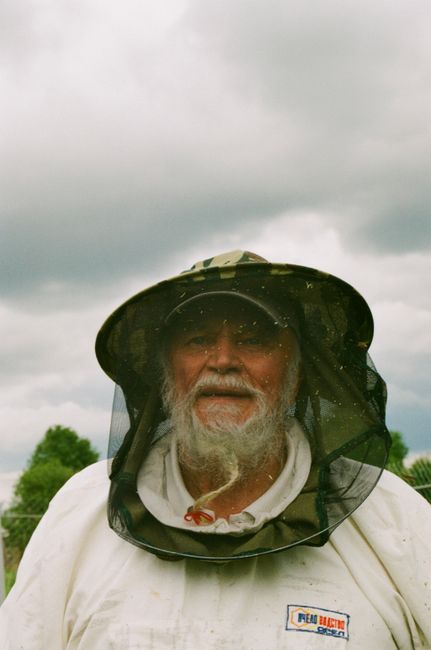
The structured environment and clear objectives of beekeeping naturally appeal to U.S. Veterans accustomed to military discipline and mission-driven work. The hierarchical and organized nature of a bee colony mirrors the operational structure familiar to service members, providing a comfortable and understandable framework.
This work offers clear objectives and measurable outcomes, such as honey yield or hive health, fulfilling the desire for tangible accomplishments. Marine Corps Veteran Mischelle Kwa emphasized, “The connection with the other Veterans is meaningful… This program helps us get connected with each other and with nature,” highlighting the camaraderie and renewed sense of purpose in a VA news article.
- Clear objectives: Beekeeping tasks, like pest management or honey harvesting, have defined goals and visible results.
- Responsibility: Caring for a living colony provides a profound sense of purpose and accountability.
- Discipline: Seasonal hive management requires consistent effort and adherence to protocols, similar to military training.
- Problem-solving: Diagnosing and treating hive issues demands analytical thinking and decisive action.
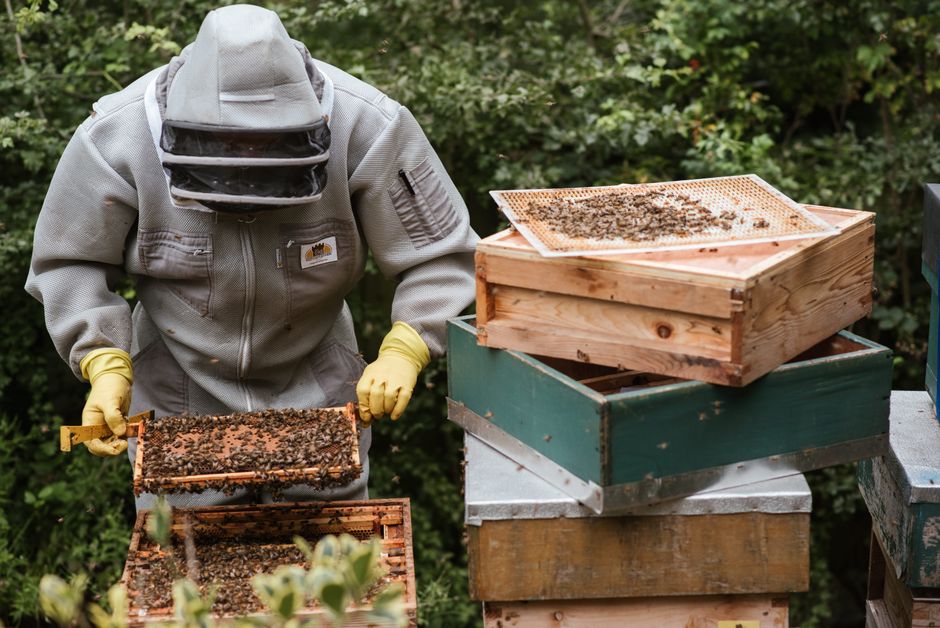
Dr. Ferland, an occupational therapy professor and Army Veteran, notes that “For a veteran, beekeeping is like going into battle. You have to put on a uniform of protective gear… every day there’s a change,” linking the activity to a familiar sense of purposeful engagement in a UT Health San Antonio news feature.
Veterans Building Beekeeping Enterprises
Beekeeping offers viable entrepreneurial pathways for U.S. Veterans looking to build businesses post-service, leveraging skills like discipline and planning. While specific success rates for Veteran-owned beekeeping businesses are not widely tracked, Veteran-owned businesses overall are 80% more likely to succeed than non-Veteran-owned ones, with nearly 40% generating over $500,000 in yearly revenue according to The Rising Tide.
Revenue streams can include honey production, selling beeswax products, offering pollination services to local farms, and even selling starter colonies. A small-scale operation of 5-50 hives can generate $500-$10,000 annually, while larger operations with over 200 hives can exceed $100,000 per year through diversified income per Blythewood Bee Company.
- Honey sales: Direct-to-consumer, farmers’ markets, or wholesale.
- Pollination services: Contracting hives to local agricultural operations.
- Wax products: Candles, balms, and other artisanal goods.
- Nuc/Queen sales: Providing starter colonies or queen bees to other beekeepers.
The USDA offers various programs supporting Veteran agricultural businesses, including the Farmer Veteran Fellowship Fund, which has awarded nearly $4 million to over 930 Veterans since 2011, providing grants for startup equipment through the Farmer Veteran Coalition. Veterans also receive preference in NRCS conservation programs like EQIP, with up to 90% cost-share as noted by the National AgrAbility Project.

How Veterans Can Start Beekeeping
U.S. Veterans interested in beekeeping have access to numerous training programs and resources specifically tailored to their needs. Programs like Heroes to Hives provide comprehensive, free training, with over 11,000 service members and their dependents trained worldwide since 2015 via Michigan State University.
Initial equipment costs for a single hive can range from $200-$2,000, including the hive itself, protective gear, tools, and the bees according to Blythewood Bee Company. Many Veteran-specific programs offer equipment discounts or even provide starter kits.
Mentorship is a critical component, often facilitated through Veteran beekeeping networks like Hives for Heroes, which pairs “newbees” with experienced mentors, caring for approximately 120 million bees across Texas as reported by Texan By Nature. State agricultural extension services and local beekeeping associations are also invaluable resources for ongoing learning and support. Explore various podcast episodes.
Veteran Beekeeping Programs: Training Options Compared
This table compares major Veteran-focused beekeeping training programs to help Veterans choose the right entry point based on their goals, location, and available time commitment.
| Program Name | Program Type | Duration | Cost | Geographic Availability | Post-Training Support |
|---|---|---|---|---|---|
| Heroes to Hives | Online & Hands-on (VA partnership) | 9 months (75+ hrs lectures) | Free for Veterans/families | National (MI-based, global online) | Certificates, community, business training |
| Hives for Heroes | Mentor-Mentee Pairing | Ongoing (seasonal) | Free | National (TX focus) | Local mentorship, bee conservation focus |
| Local University Extension Programs | Classes & Workshops | Varies (days to months) | Varies (some free for Veterans) | State-specific | Local resources, peer networks |
| Private Beekeeping Schools | Intensive Courses | Weeks to months | Varies (potential Veteran discounts) | Regional/National | Advanced skills, business coaching |
| Online Beekeeping Certification Courses | Self-paced Digital Learning | Varies (flexibility) | Varies (some free content) | Global | Knowledge base, basic certification |
The Social Connection Veterans Find in Beekeeping
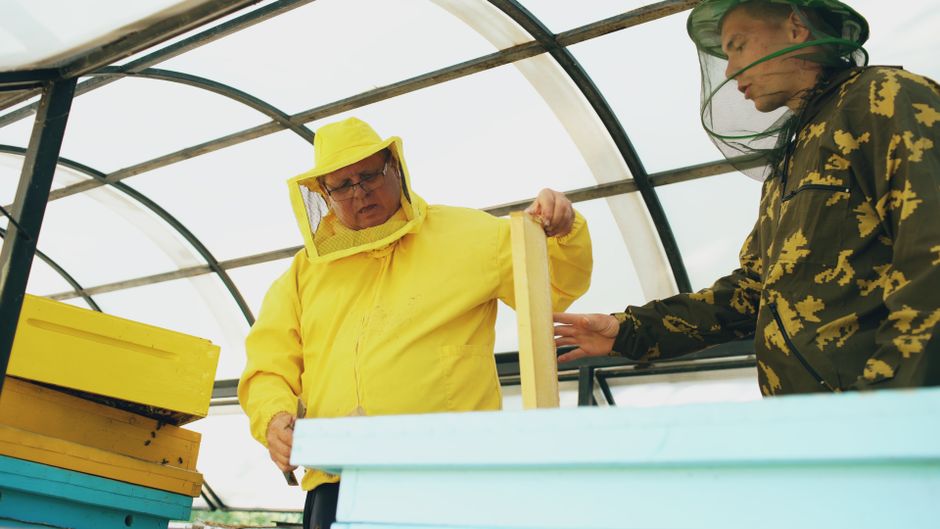
Beekeeping fosters a strong sense of community and shared purpose, directly combating the isolation many U.S. Veterans experience post-service. Local beekeeping clubs and Veteran-specific groups provide a supportive environment where shared learning experiences and peer support naturally occur.
These communities offer a space for Veterans to connect with others who understand similar experiences, building a new social identity beyond their military service. Valerie Carter, an Activity Therapist at Manchester VA, noted that anecdotal outcomes from their beekeeping program include “expanded social networks, joy, connectedness, and confidence” among Veterans in a National AgrAbility Project report.
- Peer support networks: Connecting with other Veterans who share the beekeeping passion.
- Shared learning: Collaborative problem-solving and knowledge exchange about hive management.
- Community contribution: Participating in local food systems and environmental conservation efforts.
- New social identity: Developing a role as a beekeeper and environmental steward.
Contributing to local food systems and environmental conservation efforts provides a renewed sense of civic engagement, replacing the collective mission of military service with a valuable civilian contribution. Programs like Bees4Vets specifically assist Veterans living with PTSD or TBI through beekeeping experiences that combine outdoor activity, education, and community outreach according to their website.
At Oscar Mike Radio, we often highlight stories of Veterans finding new communities and purposes, and beekeeping exemplifies this journey. Be sure to check out our veteran-focused podcasts for more inspiring narratives.

The Future of Veterans in Beekeeping
The role of U.S. Veterans in beekeeping and agriculture is poised for significant growth and recognition as a valuable career pathway. The 2026 Farm Bill, for example, codifies the AgVets program for Veteran farming training and expands the 2501 Program for outreach to socially disadvantaged and Veteran producers as detailed on their Veterans and Entrepreneurship page.
We encourage any U.S. Veteran interested in exploring beekeeping to reach out to the numerous organizations and programs available. The combination of therapeutic benefits, entrepreneurial potential, and strong community connections makes beekeeping a powerful and fulfilling path for those who have served our nation.
Key Takeaways
- Beekeeping offers significant therapeutic benefits for Veterans, particularly for PTSD and anxiety, by fostering mindfulness and purpose.
- The structured nature of hive management aligns with military discipline, providing a renewed sense of mission and responsibility for Veterans.
- Veterans can build profitable beekeeping enterprises, generating income through honey, pollination services, and other bee products.
- Numerous free and low-cost training programs, like Heroes to Hives and Hives for Heroes, are available to help Veterans start beekeeping.
- Beekeeping fosters strong social connections and community building, helping Veterans combat isolation and find new peer support networks.
- The future of Veterans in agriculture, including beekeeping, is supported by expanding federal programs and growing recognition of its benefits.
Conclusion
The journey from combat to colonies represents a profound and purposeful transition for many U.S. Military Veterans. Beekeeping provides a unique confluence of therapeutic healing, renewed identity through mission-driven work, viable entrepreneurial avenues, and vital community engagement.
As outlined by the HIVE Framework, this activity directly addresses critical post-service challenges, offering a holistic pathway for Veterans to thrive in civilian life. With robust support systems, training programs, and a growing recognition of its benefits, beekeeping stands as a powerful tool for Veterans seeking meaning, healing, and prosperity.
Frequently Asked Questions
How much does it cost for a Veteran to start beekeeping
Initial costs for a basic single-hive beekeeping setup typically range from $200 to $2,000, covering the hive, bees, protective gear, and essential tools. Many Veteran-specific programs and organizations offer grants, discounts, or even free equipment to reduce this financial barrier.
Can beekeeping really help with PTSD
Yes, beekeeping has shown promising results in helping Veterans manage PTSD symptoms by requiring focused attention and mindfulness, which grounds individuals in the present moment. VA-integrated programs have reported significant reductions in anxiety and depression, though it is considered a complementary therapy to professional treatment. Explore our blog for more stories.
Do I need land to start beekeeping as a Veteran
No, you do not always need extensive land; beekeeping can be done in urban and suburban environments, including backyards, community gardens, or even rooftops. Many Veterans partner with landowners or participate in community apiaries, minimizing the need for personal land ownership.
What Veteran programs offer free beekeeping training
Several prominent programs offer free beekeeping training specifically for Veterans, including Heroes to Hives (providing extensive online and hands-on training) and Hives for Heroes (offering one-on-one mentorship). State agricultural extension services often have Veteran-specific initiatives, and VA vocational rehabilitation programs may also cover beekeeping education.
How much money can Veterans make from beekeeping
Income from beekeeping varies significantly; hobbyists with 5-50 hives might earn $500-$10,000 annually, typically as supplemental income. Commercial operations with over 200 hives can generate more than $100,000 per year through diversified revenue streams like honey sales, pollination services, and beeswax products.
Is beekeeping physically demanding for disabled Veterans
Beekeeping can be physically demanding, but adaptive equipment and techniques can make it accessible for many disabled Veterans. Options include top-bar hives that reduce heavy lifting, specialized tools, and ergonomic hive stands, allowing individuals with various physical limitations to participate successfully.
How long does it take to learn beekeeping after military service
Veterans can grasp the basics of beekeeping within 6-12 months through dedicated training programs. However, achieving proficiency and a deep understanding of hive management typically takes 2-3 years, emphasizing continuous learning and adaptation to seasonal changes and bee health challenges.
Are there Veteran beekeeping communities I can join
Yes, there are numerous Veteran beekeeping communities and networks available, including national organizations like Heroes to Hives and Hives for Heroes, which facilitate mentorship and peer support. Local beekeeping clubs and online forums also offer valuable connections for shared learning and camaraderie.
What is the best time of year for Veterans to start beekeeping
The best time for Veterans to acquire their first bees and establish hives is typically in the spring, allowing the colony ample time to build strength before winter. However, winter months are ideal for training, planning, and preparing equipment to ensure a successful start in the spring.
Does the VA support beekeeping as therapy for Veterans
Yes, the VA actively supports beekeeping as a therapeutic activity through its recreational therapy programs in several medical centers, such as Manchester VA. These initiatives integrate beekeeping with mental health support, including mindfulness and stress management techniques, to aid Veterans in managing conditions like PTSD and anxiety. Explore learn more about our mission.
Key Terms Glossary
HIVE Framework: A conceptual model outlining Healing, Identity, Vocation, and Engagement as key benefits of beekeeping for Veteran transition.
PTSD: Post-Traumatic Stress Disorder, a mental health condition that can develop after experiencing or witnessing a terrifying event.
Apiary: A place where beehives are kept, often for commercial honey production or pollination services.
Hive Management: The practice of caring for bee colonies, including inspections, feeding, pest control, and honey harvesting.
Pollination Services: The practice of renting out bee colonies to farmers to pollinate crops, generating a revenue stream for beekeepers.
Nuc: Short for “nucleus colony,” a small starter bee colony containing a queen, brood, and several frames of bees, used to establish new hives.
Heroes to Hives: A national program providing free beekeeping education and training to U.S. Veterans and their families.
Hives for Heroes: An organization that connects Veterans and first responders with beekeeping mentors for therapeutic and educational purposes.