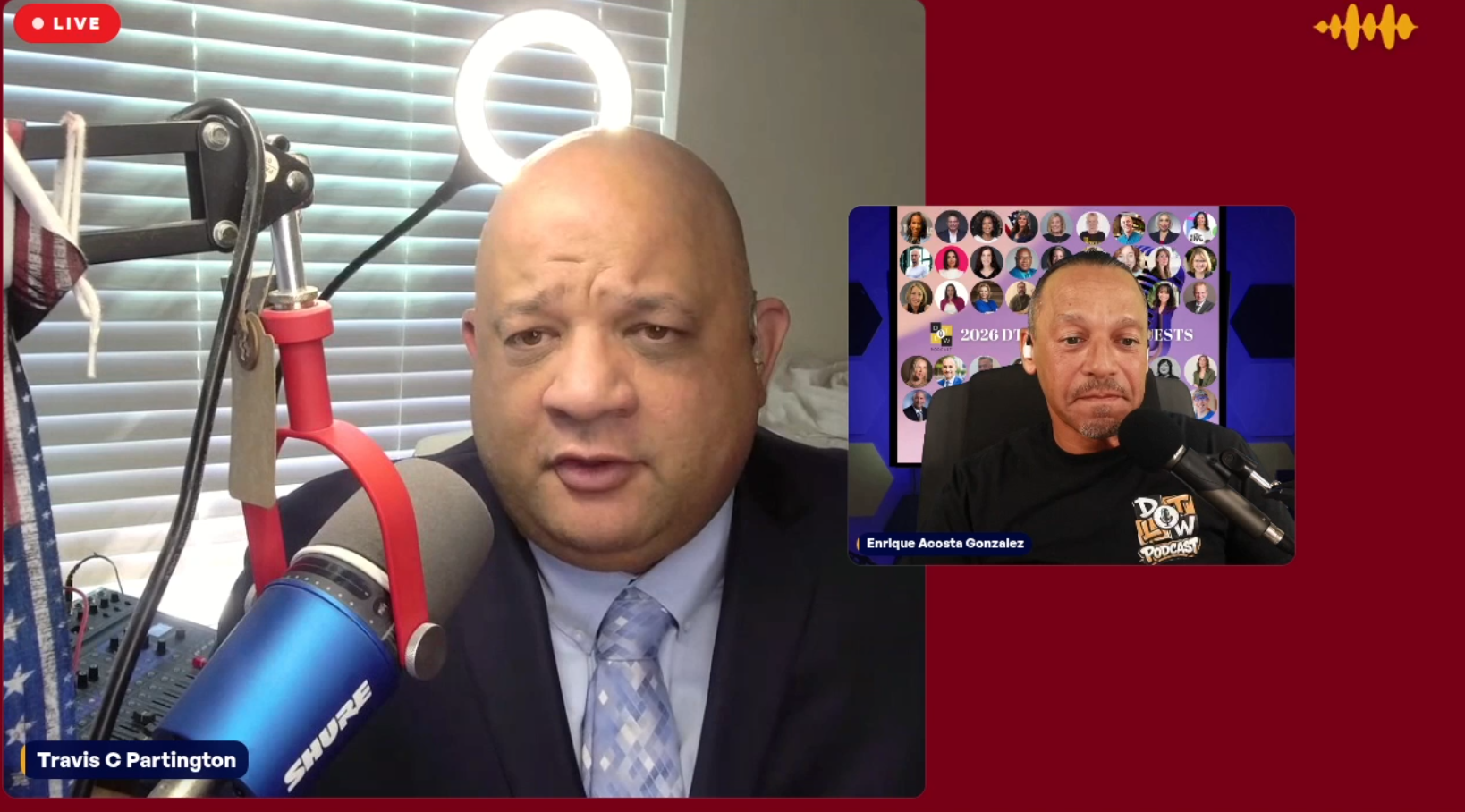


This episode of Oscar Mike Radio is one of the most emotional and urgent conversations I’ve had.
I sat down with Elizabeth Dubois, MBA, Ph.D. She is an Adjunct Professor at the University of Albany and the cousin of Army National Guard veteran JJ Millet, to talk about a situation that raises serious questions about how we treat veterans in crisis.
What we discussed isn’t easy, but it’s necessary.
What Happened to JJ Millet
JJ is currently facing domestic terrorism charges following a psychiatric crisis. A crisis that was reportedly triggered by a change in medication prescribed through the VA system.
As Elizabeth walked me through the timeline, one thing became clear: JJ didn’t act out of malice; he reached out for help.
- He decided to call the 988 crisis line
- He voluntarily surrendered his weapons
- He took steps that, to me, reflect someone trying to do the right thing in a moment of distress
Those actions don’t look like a threat; they look like someone asking for help.
When Seeking Help Becomes a Risk
One of the most troubling parts of this conversation was learning how JJ’s personal therapeutic journals were characterized.
What were intended as private tools for healing were initially labeled as a “manifesto.”
That kind of mischaracterization carries serious weight, and serious consequences.
Because it raises a difficult but important question:
What message does this send to other veterans?
If someone in crisis does everything we encourage, calls for help, surrenders weapons, seeks support, yet still faces severe criminal charges, what does that do to trust in the system?
A Bigger Issue Than One Case
Elizabeth and JJ are united in one message:
This is bigger than one person.
This is about:
- Mental health support for veterans
- Accountability in how cases like this are handled
- Ensuring that seeking help never becomes a liability
- Protecting those who have already served and sacrificed
Because when the system fails, even once, it creates hesitation for others who might be on the edge of reaching out.
And hesitation, in moments of crisis, can be dangerous.
Compassion, Not Fear
What stayed with me most after this conversation was the need for compassion.
Veterans should never feel like asking for help could lead to punishment.
They should feel supported, understood, and protected.
That’s the standard we should be holding ourselves to.
How You Can Help
You can make a difference.
Start by sharing JJ’s story.
Start conversations.
Raise awareness about the importance of mental health support for veterans.
Because change begins when people are willing to speak up.
Final Thoughts
JJ, you are not alone.
And to Elizabeth, thank you for your courage in telling this story and standing up for your family.
This conversation is a reminder that we still have work to do, but it’s also a call to action.
We are Oscar Mike, Mission in Flight.
Podcast: Play in new window | Download