


Joanne Frederick on TRICARE Reform, Military Healthcare, and Community Advocacy
What happens when the systems designed to support our military become so complicated that navigating them becomes a challenge in itself?
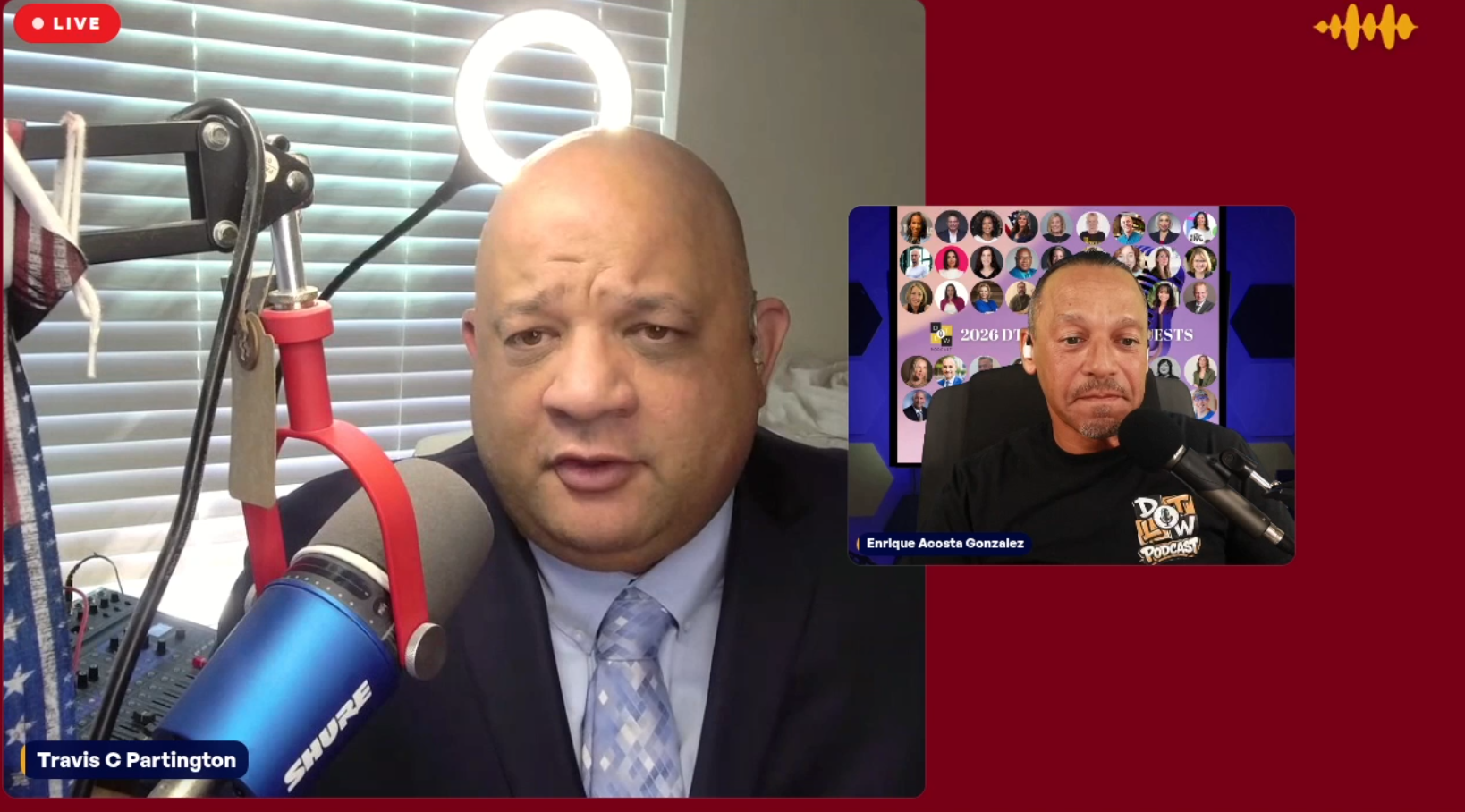
In this episode of Oscar Mike Radio, I sat down with Joanne Frederick of Government Market Strategies to discuss military healthcare, her vision for modernizing TRICARE, and the challenges of navigating federal government contracts.
Joanne brings decades of experience in government acquisition and contracting to a conversation that affects service members, military families, veterans, and the organizations that support them.
We also explored a different kind of advocacy: Joanne’s efforts to organize her Virginia community around concerns about a proposed power line and the growing demand for electricity from data centers.
These may seem like two very different subjects, but they share a common theme: understanding complicated systems and speaking up when those systems affect people’s lives.
Why Joanne Frederick Believes TRICARE Needs Reform
One central topic of our conversation was TRICARE, the healthcare program that serves eligible military personnel, retirees, and their families.
Joanne explained why she believes the system needs modernization and how its administrative structure can create challenges for people trying to access healthcare.
We discussed the relationship between military healthcare and the Department of Veterans Affairs (VA), including why these systems operate separately and how that separation can complicate care.
For service members transitioning out of the military, understanding where to go, which system provides coverage, and how to navigate available services can be frustrating.
Joanne’s perspective is that meaningful reform requires more than adjusting individual policies. It requires examining how the overall system operates.
Federal Contracting and Its Impact on Military Healthcare
Joanne’s experience in government acquisition gives her a perspective on healthcare challenges that many people may not consider.
Behind military healthcare programs are federal contracts, acquisition processes, administrative requirements, and relationships between government agencies and private organizations.
Those arrangements can influence how services are delivered and how efficiently the system responds to changing needs.
During our conversation, Joanne explained how complicated contracting structures can create barriers and why understanding federal acquisition is important when advocating for improvements.
We discussed the challenges of working within established government systems while attempting to introduce new approaches.
Her experience demonstrates that advocating for change often requires understanding not only what needs to improve, but also the processes that determine whether improvements can happen.
Military Healthcare and the Importance of Advocacy
Healthcare is one of the most important issues facing military families and veterans.
Whether someone is serving on active duty, preparing to transition, or navigating healthcare after retirement, access to appropriate care matters.
Our discussion reinforced the importance of asking questions about how military healthcare programs operate and whether existing structures are meeting the needs of the people they serve.
Joanne shared her ideas for reform and the obstacles she believes must be addressed.
While healthcare policy can be complicated, the underlying concern is straightforward: the people who serve our country and their families deserve healthcare systems that work effectively for them.
Advocacy Takes Many Forms
What stood out to me about this conversation was the connection between Joanne’s professional work and her community advocacy.
Whether she’s discussing military healthcare reform or organizing neighbors concerned about infrastructure development, Joanne approaches both challenges with an understanding that complicated systems can have very real consequences for individuals and families.
Advocacy isn’t always about standing behind a microphone or speaking to elected officials.
Sometimes it means researching an issue, asking difficult questions, bringing people together, and refusing to accept that a complicated process is beyond the public’s ability to understand.
For me, that’s an important reminder.
You don’t have to wear a uniform to serve your community. And you don’t have to hold public office to advocate for change.
You can learn more about Government Market Strategies and Joanne’s work by going to https://marketstrategiesonline.com/.
Joanne, thank you for joining me on Oscar Mike Radio, sharing your experience in government acquisition, and explaining your perspectives on military healthcare reform and community advocacy.
Thank you for reminding us that service and advocacy can take many forms, from supporting our military to protecting the communities we call home.
We are Mission in Flight!
Podcast: Play in new window | Download